
The Pollen and Pipe Connection That Slows Your Drains Every Spring
Every spring in Woodstock, a yellow blanket of pollen coats cars, porches, and patio furniture. What homeowners rarely consider is that the same pollen settling on outdoor surfaces also finds its way into household drains. Pine pollen, oak pollen, and other tree debris travel through gutters, downspouts, and open windows; eventually, much of it ends up rinsed down sinks, tubs, and floor drains. Over weeks, that fine yellow dust mixes with soap scum, hair, and grease to form a sticky paste inside your pipes. The result is slower drains, gurgling sounds, and stubborn clogs that seem to appear out of nowhere. Understanding the link between spring pollen and your plumbing helps you stay ahead of the problem before it turns into a backup.
How Spring Pollen Causes Slow Drains in Your Home Plumbing
Pollen is not just a sneezing problem; it is a sticky, oily substance designed by nature to cling to surfaces. When it enters your plumbing system, it behaves much like fine sediment, settling in low spots and along pipe walls. Combined with the daily mix of toothpaste, shampoo, and food particles, pollen becomes a binding agent that traps other debris. North Georgia springs are especially intense, with pine pollen counts reaching some of the highest levels in the country. That heavy load travels indoors on shoes, pets, and clothing, then washes down your drains every time you rinse, shower, or do laundry. Slow drains in March, April, and May are often the first warning sign.
Slow Drains From Spring Pollen Buildup Inside Bathroom Pipes
Bathroom drains take the heaviest hit during pollen season because of how often water flows through them. Every shower rinses pollen out of hair and off skin, sending a yellow film straight into the P-trap. That film bonds with hair and soap residue, creating a thick sludge that narrows the inside of the pipe. Sink drains face the same issue as homeowners wash faces, brush teeth, and rinse hands more often during allergy season. Over a few weeks, the buildup compounds and water starts to pool around the drain before slowly disappearing. You may also notice a faint musty smell as organic material decays inside the trap. Catching the problem early prevents a complete clog later in the season.
Tub and shower drains often show pollen-related slowdowns first because of their flat slope and small openings. The strainer catches some hair, but fine pollen slips right through and coats the pipe walls below. Each shower adds another thin layer, and the pipe diameter shrinks little by little. By late April, many Woodstock homeowners notice water rising over their ankles during a normal shower. Pulling the stopper or strainer often reveals a yellow-tinged gunk that confirms the cause. A professional drain cleaning at this stage clears the buildup before it spreads further down the line. Need help with a slow bathroom drain? Click here for our drain cleaning service.
Toilets are not immune either, especially in homes with open bathroom windows during spring. Pollen settles on the water surface in the bowl and tank, then gets flushed into the trapway with every use. While one flush carries little risk, weeks of accumulation can contribute to weaker flushes and slow refills. Combined with hard water minerals common in Cherokee County, the residue can build up around the jets under the rim. Owners often blame the toilet itself when the real culprit is seasonal debris. Regular cleaning of the bowl, rim jets, and tank helps, but persistent issues call for a closer look from a licensed plumber.
Kitchen Sink Slowdowns Caused by Pollen and Spring Debris
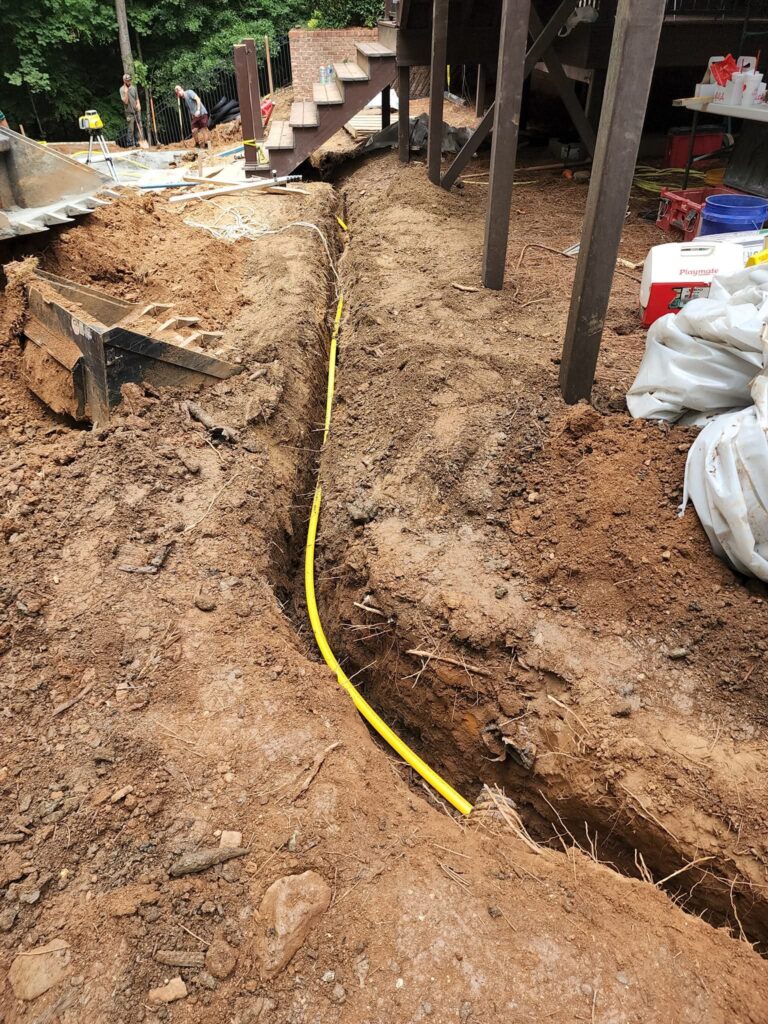
Kitchen sinks already deal with grease, food scraps, and soap on a daily basis. Add pollen to the mix, and the pipe walls become a magnet for sticky buildup. Pollen tracked in on hands, produce from the garden, and even fresh-cut flowers ends up rinsed down the disposal. Once inside the drain line, it binds with cooking oils to form a layer that hardens over time. This is one of the most common reasons homeowners call about kitchen drain issues in late spring. The fix is not just pouring something down the drain; it requires breaking up the buildup mechanically. Skipping professional cleaning often leads to a full backup in the warmer months ahead.
Garbage disposals can also struggle when pollen mixes with food waste under the splash guard. The rubber flaps trap fine particles, and the constant moisture keeps everything sticky. You may notice a sour smell, slower water flow, or a humming disposal that struggles to clear waste. Running cold water and ice through the unit helps, but it does not address buildup further down the pipe. A camera inspection can show exactly how much residue has collected in the trap and beyond. From there, a targeted cleaning restores full flow without damaging the system. Spring is the right time to schedule that service before summer cooking ramps up.
Dishwasher drain lines connect to the same kitchen plumbing and share the same risks. When the kitchen sink drain narrows from pollen and grease, the dishwasher cannot drain properly either. Water may sit at the bottom of the dishwasher after a cycle, or dishes may come out with a gritty film. Many homeowners replace dishwasher parts when the real issue is a clogged shared drain line. A licensed plumber can diagnose the difference quickly and save you money on unnecessary appliance repairs. Addressing the drain line solves both problems at once. Keeping your kitchen plumbing clear protects your appliances and your wallet.
Laundry Room Drains and Pollen Buildup During Allergy Season
The laundry room is one of the most overlooked sources of pollen in your plumbing. Clothes worn outdoors collect pollen all day, and the washing machine rinses every bit of it into the drain line. Pollen from gardening clothes, sports uniforms, and outdoor work gear adds up fast during spring weeks. The standpipe and drain hose see a constant flow of yellow-tinged water that leaves residue behind. Over time, lint, fabric softener, and pollen combine into a thick film inside the pipe. That film catches more debris with every load, and drain speed drops noticeably. Homeowners often hear gurgling from nearby drains when the washer empties.
Washing machine standpipes can overflow when buildup restricts the main drain line. This is a common springtime emergency call, especially in older homes with smaller pipes. Water rushes out faster than the restricted pipe can handle, and the result is a flooded laundry room floor. The damage extends to drywall, baseboards, and flooring if the overflow is not caught quickly. Preventive cleaning of the laundry drain line is far cheaper than water damage restoration. A plumber can clear the line and inspect for any other contributing issues. Spring maintenance pays for itself many times over.
Floor drains in laundry rooms and basements also collect pollen washed in from outside. Shoes, pet paws, and outdoor equipment all carry pollen indoors during the season. Mop water, spills, and condensation eventually wash that pollen into the floor drain. If the trap dries out or the line is partially clogged, sewer gases can rise into the home. A musty or sulfur smell in the laundry room is a warning sign worth taking seriously. Keeping floor drains clear protects indoor air quality and prevents pest entry. A quick inspection during your spring plumbing check covers this often-forgotten drain.
Outdoor Plumbing Issues Caused by Spring Pollen and Yard Debris
Pollen does not only affect indoor drains; it also creates problems for outdoor plumbing connections. Gutters, downspouts, sewer cleanouts, and outdoor faucets all face exposure during the heaviest pollen weeks. North Georgia yards are full of pines, oaks, and flowering trees that drop enormous amounts of pollen and seed pods. When rain washes that debris across your yard, much of it ends up near or inside your outdoor plumbing fixtures. The risk extends to your main sewer line if pollen mixes with leaves and washes into a cleanout. Spring storms can push that mixture deep into the line where it bonds with existing buildup.
Sewer Line Problems Linked to Spring Pollen and Yard Runoff
Main sewer lines run under your yard and connect every drain in your home. When pollen, leaves, and yard debris wash into the line through a damaged cleanout or cracked pipe, the results can be serious. The organic material decomposes and feeds tree roots, which then grow toward the moisture and nutrients. Root intrusion is one of the most common causes of major sewer line failures in older Woodstock neighborhoods. A camera inspection in spring can spot early signs of intrusion before the line collapses. Catching the problem early saves thousands in excavation and replacement costs. Want to schedule an inspection? Click here for our sewer line inspection service.
Sewer line installations in older homes used clay or cast iron pipes that develop cracks over decades. Those cracks let in groundwater, soil, and yes, pollen-rich runoff from heavy spring rains. The combination accelerates pipe deterioration and creates frequent backups. Homeowners often notice gurgling toilets, slow tub drains, or sewage smells in the yard before a major failure. These signs should never be ignored, especially during peak pollen and storm season. A licensed plumber can run a camera through the line and provide clear video evidence of any damage. From there, repair or replacement options can be discussed with full information.
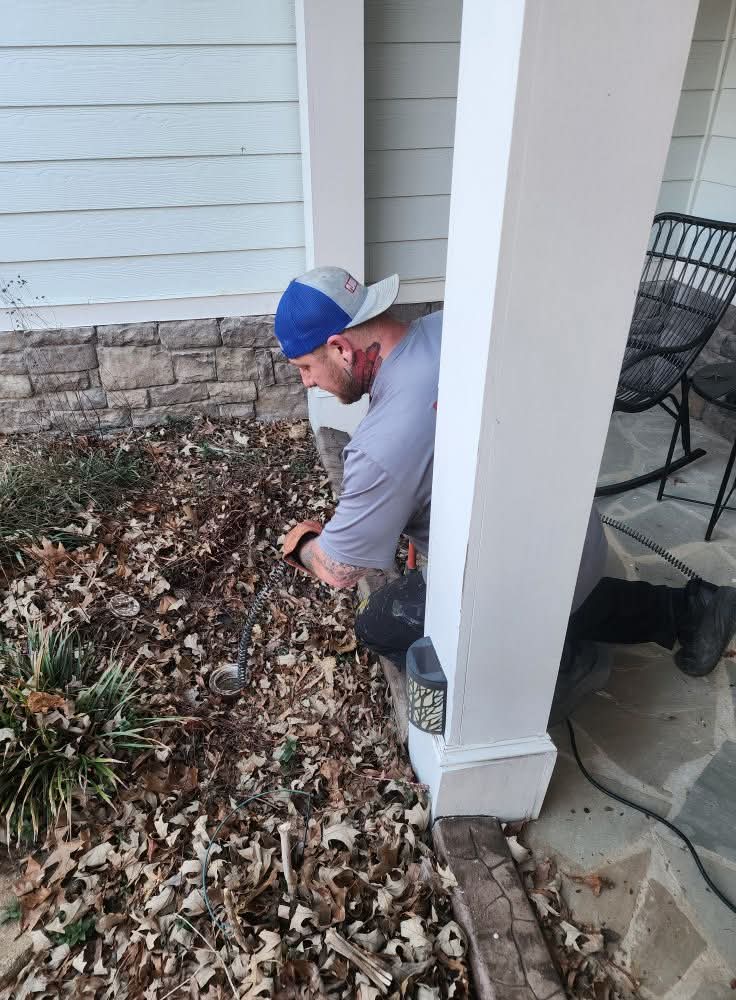
Sewer cleanouts in the yard are designed to give plumbers access to the main line. When the cap is missing or damaged, pollen, mulch, and yard debris fall directly into the line. This creates a slow buildup that can take months to cause a noticeable problem. Checking your cleanout cap each spring is a simple step that prevents major issues later. If you cannot locate your cleanout or the cap is damaged, a plumber can help. Replacing a cap costs far less than clearing a clogged main line. A quick yard walk after pollen season pays off in peace of mind.
Outdoor Faucets and Hose Bibs After Heavy Spring Pollen Exposure
Outdoor faucets and hose bibs sit exposed to pollen, dust, and weather all spring. The aerator screens and threaded connections collect fine pollen that can affect water flow. When you connect a hose for the first time after winter, that buildup can wash into the hose and onto your garden. More importantly, pollen and grit can work into the valve seat over time, causing slow leaks. A dripping hose bib wastes water and signals internal wear that will only get worse. Spring is the right time to inspect every outdoor faucet on your property. Catching a small leak now prevents a burst pipe later.
Frost-free hose bibs are common in newer Woodstock homes and offer better winter protection. They extend deep into the wall, with the valve seat located inside the heated portion of the home. Pollen and debris can still affect the exterior portion, especially the vacuum breaker on top. A clogged vacuum breaker can cause spraying, dripping, or backflow into your water supply. Cleaning or replacing that part is a simple repair when caught early. Letting it go can lead to water damage inside the wall where the leak is hidden. Annual spring inspection of these fixtures protects your home and your water bill.
Hose connections, sprinkler timers, and outdoor showers all share similar risks during pollen season. Threaded connections collect debris that can damage washers and create slow leaks. Drip irrigation systems are particularly vulnerable since their small openings clog easily. A spring tune-up of all outdoor water connections sets you up for a smooth summer. Many homeowners discover unexpected leaks only when their water bill spikes in June. By then, weeks of waste have already added up. A licensed plumber can check every outdoor fixture as part of a seasonal plumbing visit.
Water Filtration Systems and Spring Pollen in Your Home Water
Homes with whole-house water filtration systems also feel the effects of spring pollen season. While filters do not catch pollen from the air, they work harder during spring because of increased water use. Lawn watering, car washing, and outdoor cleaning all push more water through the system. If your filter is nearing the end of its lifespan, spring is when it tends to fail. A clogged filter restricts flow throughout the home, leading to weak pressure at every fixture. Replacing filters on schedule keeps water flowing and protects downstream plumbing. Spring is a natural time to check filter status and water quality.
Well water systems face additional spring challenges from runoff and shifting groundwater. Pollen, soil, and organic material can enter shallow wells after heavy rains, affecting taste and clarity. Sediment filters catch some of this, but they need frequent attention during the season. A water quality test in spring identifies any new issues before they affect your family. From there, a plumber can recommend the right filtration upgrade for your specific water. Many Woodstock-area homes benefit from multi-stage systems that handle sediment, chlorine, and minerals. Clean water protects every appliance and fixture in your home.
Tankless water heaters are also affected by spring water quality changes. Sediment and minerals build up faster when source water carries more debris. The heat exchanger can develop scale that reduces efficiency and shortens lifespan. Annual flushing keeps the unit running at peak performance and protects your investment. Spring is an ideal time to schedule that service before summer demand peaks. Combining a water heater flush with a filtration check covers both ends of your water system. Your fixtures, appliances, and family all benefit from cleaner water year-round.
Why You Need Professional Spring Drain Cleaning in Woodstock GA
Spring drain problems rarely fix themselves, and store-bought drain cleaners often make things worse. Harsh chemicals can damage pipe walls, especially in older homes with cast iron or galvanized plumbing. A professional drain cleaning addresses the actual buildup without harming your pipes or your family. Plumb Medic uses proven methods that clear pollen, grease, and debris while protecting your plumbing. Scheduling service in spring keeps your home running smoothly through summer and beyond. Prevention costs far less than emergency repairs.
Professional Drain Cleaning Solves Spring Pollen Buildup Safely
Licensed plumbers use specialized tools to clear pollen and debris from drain lines. Mechanical augers, hydro-jetting equipment, and camera inspections work together to find and remove buildup. These methods reach far deeper into your pipes than any home remedy can. The result is a fully cleared line, not just a temporary fix near the drain opening. You get the full diameter of your pipes back, which restores proper flow throughout the home. That flow keeps future buildup from sticking as easily. One service call covers what dozens of drain cleaner bottles never could.
Hydro-jetting is particularly effective against the sticky pollen-and-grease combination common in spring. High-pressure water scours the inside of the pipe and flushes everything out through the main line. The process is safe for most pipe materials when done by a trained plumber. It also reaches angles and bends that snake tools cannot fully clean. Homeowners often notice immediate improvement in every drain after a main line jetting service. The benefits last for months and protect against the next round of buildup. Investing in this service in spring pays off all year long.
Camera inspections add another layer of value to professional drain service. A small camera travels through the pipe and shows exactly what is causing the slowdown. You see the buildup, the pipe condition, and any other issues like root intrusion or cracks. This information helps you make smart decisions about repairs and upgrades. No guessing, no assumptions, just clear video evidence of your plumbing system. Many homeowners use these inspections to plan future projects or document pipe condition for insurance. Knowledge is power when it comes to home maintenance.
Spring Plumbing Maintenance Prevents Bigger Drain Issues Later
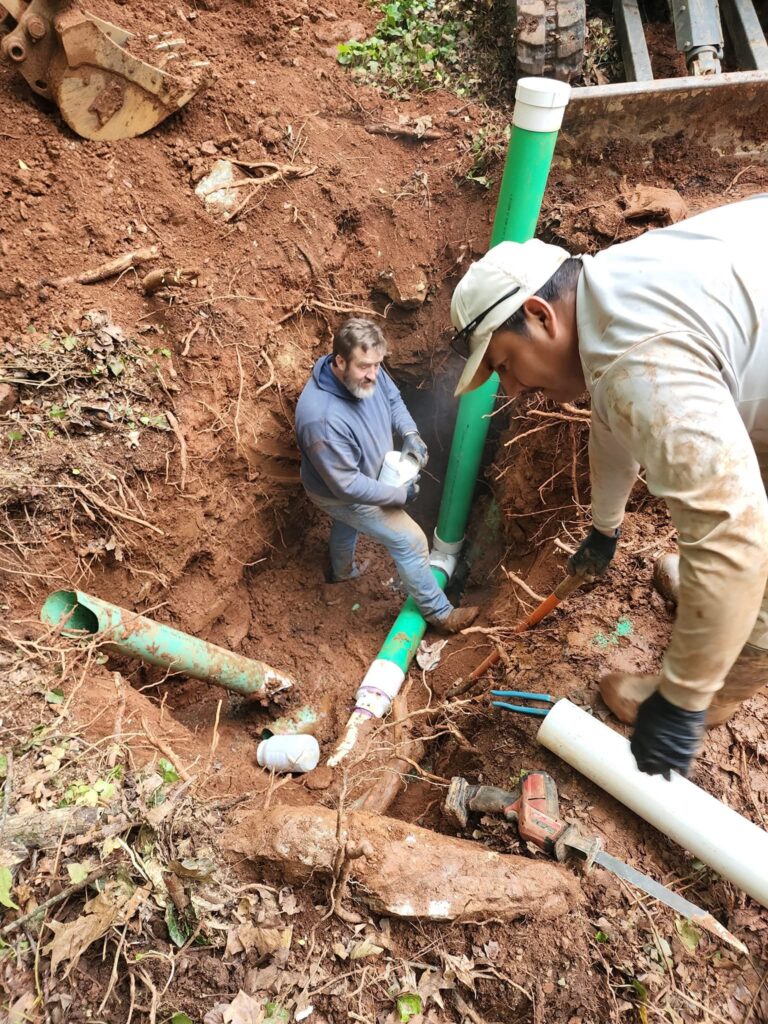
A spring plumbing maintenance visit covers more than just drain cleaning. Your plumber checks water pressure, inspects fixtures, tests shut-off valves, and looks for hidden leaks. Each of these steps catches small issues before they become expensive problems. Spring is the right season because winter stress has just ended and summer demand has not yet started. Your plumbing has a brief window where small repairs are easy and affordable. Taking advantage of that window keeps your home protected year-round. Maintenance is always cheaper than emergency repair.
Water heaters, sump pumps, and main shut-off valves all benefit from spring attention. Sump pumps especially need testing before the next round of storms hits North Georgia. A failed sump pump during heavy rain can cause thousands in basement water damage. Spring testing confirms the pump runs properly and the discharge line is clear. Any issues can be addressed before they matter. The same applies to water heaters that worked hard through cold months. A flush and inspection extend the life of the unit and protect efficiency.
Outdoor plumbing, sewer cleanouts, and yard drains all deserve spring inspection too. Pollen, leaves, and winter debris collect in these areas and can cause problems when summer storms arrive. A walk-around with your plumber identifies anything that needs attention. Small repairs now prevent emergency calls later. Many homeowners build this visit into their annual home care routine. The peace of mind alone is worth the modest investment. Your home is your largest asset, and plumbing maintenance protects it.
Why Choose Plumb Medic for Your Spring Drain Cleaning Service
Plumb Medic is Woodstock’s trusted plumbing company, serving Cherokee County and the surrounding metro Atlanta area. Every technician on our team is fully licensed and experienced, with ongoing training in the latest plumbing methods. We are TracPipe and Navien certified, and we were voted Business Rate’s Best of Woodstock Plumber 2025. Our reputation is built on honest work, fair pricing, and treating every customer like a neighbor. We waive diagnostic fees when we handle the repair, so you never pay twice for the same visit. Military and senior discounts are available to those who have served and supported our community.
We back our work with 24/7 emergency plumbing services because plumbing problems do not wait for business hours. Financing is available through Wisetack for larger projects, making repairs and upgrades affordable for every family. Two percent of every service call is donated to Children’s Healthcare of Atlanta to support local families in need. That commitment is part of who we are and why our customers keep calling us back. We believe in doing right by the community that has supported our growth. Every job, big or small, gets our full attention and care.
Spring is the right time to address pollen-related drain issues before they become summer emergencies. Plumb Medic offers comprehensive drain cleaning, sewer line inspections, and full plumbing maintenance for your home. Our team handles everything from a single slow sink to a complete main line jetting service. Call us today at (470) 384-9762 to schedule your spring plumbing visit. You can also email office@theplumbmedic.com or visit us at 225 Creekstone Ridge Suite 19, Woodstock, GA 30188. We look forward to keeping your home flowing smoothly through every season.