
Why Your Toilet Keeps Running Long After You Flush It
A toilet that keeps running long after you flush it is one of the most common plumbing complaints homeowners face. The constant sound of water trickling into the bowl is annoying, but the real problem is what it does to your water bill. A running toilet can waste over 200 gallons of water every single day, and during a hot Georgia summer, that adds up fast. Most running toilets are caused by a handful of worn parts inside the tank, and each one has a clear fix. Some repairs are simple; others point to deeper issues with the fill valve, the flush valve, or the water supply line itself. Ignoring the problem never makes it go away, and the wasted water only compounds over time. In this post, we will explain exactly why your toilet keeps running, how the fix works, and when it is time to call a professional. If your toilet is running right now, click here for our toilet repair service.
What Causes a Toilet That Keeps Running After You Flush
Every toilet tank has three main components that control the flush cycle: the flapper, the fill valve, and the float. When you press the handle, the flapper lifts, water rushes into the bowl, and the fill valve refills the tank until the float shuts it off. A toilet that keeps running means one of those parts is failing to do its job. The water either leaks past the flapper into the bowl, or the fill valve never shuts off completely. Both problems produce that endless running sound you hear from down the hall. Understanding which part has failed is the first step toward stopping the waste. Below are the three most common causes we find in Woodstock and Cherokee County homes.
A Worn Flapper Makes a Toilet Keep Running
The flapper is the rubber seal that sits at the bottom of the tank and covers the flush valve opening. Every time you flush, the flapper lifts, releases the tank water into the bowl, and then drops back down to reseal the opening. Rubber does not last forever, and after years of sitting in water, the flapper hardens, warps, or develops mineral buildup along its edge. Once that seal is compromised, water leaks slowly from the tank into the bowl around the clock. The fill valve senses the dropping water level and kicks on to refill the tank, which is why you hear the toilet running at random times. Chlorine, hard water, and drop in tank cleaning tablets all speed up flapper deterioration significantly. In most Georgia homes with municipal water, a flapper lasts about four to five years before it needs replacement. A failing flapper is the single most common reason a toilet keeps running after you flush.
Testing for a bad flapper takes about fifteen minutes and costs almost nothing. Remove the tank lid and add several drops of food coloring to the tank water, then wait without flushing. If colored water appears in the bowl within ten to fifteen minutes, the flapper is leaking and needs to be replaced. This simple dye test confirms the leak without any guesswork. Some homeowners try to clean the flapper edge and reseat it, which occasionally buys a little time. In our experience, cleaning is a temporary patch at best; a warped flapper will keep leaking no matter how well you scrub it. Replacement is the only reliable long term solution once the rubber has degraded. The dye test should be part of your regular plumbing maintenance routine at least twice a year.
Replacing a flapper sounds easy, and sometimes it is, but the details matter more than most people expect. Flappers come in different sizes, typically two inch or three inch, and the wrong size will never seal correctly. Universal flappers do not fit every toilet, especially newer high efficiency models with proprietary flush valve designs. The chain length also has to be set correctly, because a chain that is too short holds the flapper open and a chain that is too long can get pinned underneath it. If you replace the flapper and the toilet keeps running, the flush valve seat itself may be pitted or corroded. A damaged valve seat requires more involved repair work inside the tank. That is the point where a licensed plumber saves you from repeated trips to the hardware store. Getting the seal right the first time stops the running for good.
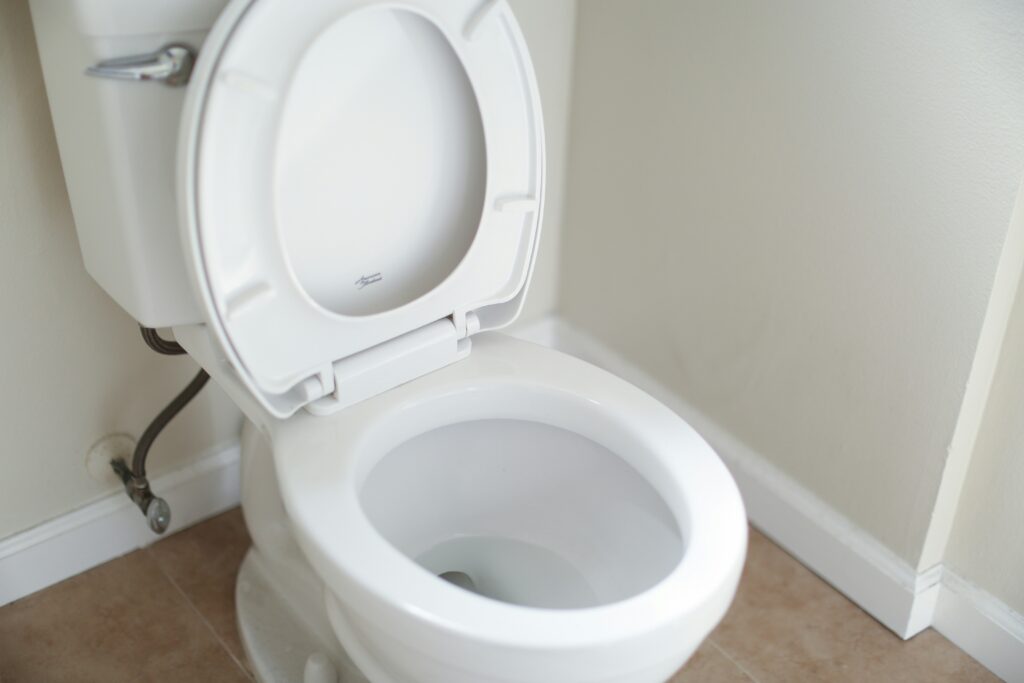
A Faulty Fill Valve Causes a Running Toilet
The fill valve is the tall assembly on the left side of the tank that refills the water after every flush. It connects directly to your home’s water supply line and is under constant pressure, day and night. When a fill valve wears out, it fails to shut off completely, and water keeps trickling into the tank long after the flush cycle should have ended. You may hear a faint hissing sound coming from the tank even when nobody has used the toilet in hours. That hiss is pressurized water forcing its way past a worn internal seal or diaphragm. Sediment from the water supply is a major culprit, because tiny particles lodge inside the valve and prevent it from closing fully. Homes with older galvanized supply lines or hard water see fill valve failures far more often. A fill valve that will not shut off is the second leading cause of a toilet that keeps running.
Diagnosing a bad fill valve starts with listening and looking. Lift the tank lid and watch the water level while the toilet runs; if water keeps rising and spilling into the overflow tube, the fill valve is not shutting off at the correct level. You can also gently lift the float arm or float cup by hand. If the running stops when you lift the float, the valve mechanism still works but is set too high or is sticking. If the water keeps running even with the float lifted all the way, the valve itself has failed internally. Sediment flushing sometimes clears a sticky valve, and most modern valves have a removable cap that lets you rinse the seal. Persistent hissing after cleaning means the diaphragm is shot and the entire valve needs replacement. Fill valves are inexpensive parts, but installing one incorrectly can cause leaks at the supply connection under the tank.
Fill valve replacement involves shutting off the water, draining the tank, and disconnecting the supply line from the bottom of the valve. This is where many DIY repairs go wrong, because overtightening the plastic lock nut cracks the tank or the valve body. A cracked tank cannot be repaired and forces a full toilet replacement, turning a twenty dollar fix into a much bigger expense. The supply line connection also has to be sealed properly, or you will trade a running toilet for a slow leak under the tank. Old supply lines with worn washers often fail right after being disturbed, so a plumber will inspect and replace them during the same visit. Water pressure matters too; homes with pressure above 80 psi chew through fill valves quickly and may need a pressure regulator. A licensed plumber checks all of these factors in one service call. If your supply line looks corroded or brittle, click here for our water supply line services.
An Incorrect Float Height Keeps a Toilet Running
The float is the part that tells the fill valve when the tank is full. Older toilets use a ball float on a metal arm, while most modern toilets use a cylinder float that slides up and down the fill valve shaft. When the float is set too high, the water level rises above the top of the overflow tube before the valve shuts off. Water then pours continuously down the overflow tube into the bowl, and the fill valve runs nonstop trying to keep up. This creates a perpetual cycle where the toilet literally never stops running. The correct water level is about one inch below the top of the overflow tube, and many manufacturers mark the ideal line inside the tank. Float height can drift over time as adjustment screws loosen or float arms bend. A misadjusted float is one of the easiest running toilet causes to fix, yet it is frequently overlooked.
Adjusting a float depends on which style your toilet uses. On a ball float, you gently bend the metal arm downward or turn the adjustment screw at the top of the valve to lower the shutoff point. On a cylinder float, you pinch the adjustment clip and slide the float down the shaft, or turn the plastic adjustment screw counterclockwise. Small changes make a big difference, so lower the float a little at a time and flush to test. Watch the tank refill completely and confirm the water stops below the overflow tube. If the water still creeps over the tube after multiple adjustments, the float may be waterlogged or the valve may be failing. A ball float with water inside it loses buoyancy and can never signal the valve to close. Waterlogged floats must be replaced, not adjusted.
Sometimes the float is fine and the overflow tube is the real problem. Overflow tubes can crack near the base, allowing tank water to leak into the bowl even at the correct water level. A cracked overflow tube is part of the flush valve assembly, and replacing it means removing the tank from the bowl. That job involves the tank bolts, the spud washer, and the gasket that seals the tank to the bowl, and any one of those parts can leak if reinstalled incorrectly. Older toilets with corroded tank bolts often snap during removal, which complicates the repair further. This is the kind of running toilet fix where professional help pays for itself quickly. A plumber can also evaluate if the toilet is worth repairing at all, since toilets older than twenty years waste water with every flush by design. Replacing an old unit with a modern high efficiency toilet often saves more money than repeated repairs.
How to Fix a Toilet That Keeps Running
Fixing a toilet that keeps running follows a logical order: check the chain and flapper first, then the float height, then the fill valve, and finally the overflow tube. Working through the parts in that sequence catches the most common failures before you spend money on anything unnecessary. Always shut off the water at the supply valve behind the toilet before removing or replacing any internal parts. Keep a towel and a small bucket nearby, because the tank will still hold some water after draining. Take a photo of the tank interior before you start so you can reference the original setup. Most tank parts are inexpensive, but the labor of getting them installed and adjusted correctly is where repairs succeed or fail. The steps below walk through each fix in detail.
Adjust the Chain and Flapper to Stop a Running Toilet
The lift chain connects the flush handle arm to the flapper, and its length controls how the flapper opens and closes. A chain with too much slack can slip underneath the flapper when it drops, propping it open and letting water run into the bowl continuously. A chain that is too tight holds the flapper slightly off its seat at all times, which produces the same constant leak. The correct setting leaves about half an inch of slack when the flapper is fully seated. Unhook the chain from the handle arm, adjust it one or two links at a time, and flush to test after each change. Many chains include a small float clip that keeps excess chain from tangling, and repositioning that clip solves a lot of intermittent running problems. Check that the handle arm itself moves freely, because a sticking handle keeps tension on the chain. This five minute adjustment fixes a surprising number of running toilets.
If the chain is set correctly and the toilet keeps running, replace the flapper next. Shut off the supply valve, flush the toilet to drain the tank, and unhook the old flapper from the pegs on the overflow tube. Wipe the flush valve seat with a clean cloth to remove any slime or mineral deposits before installing the new flapper. Match the replacement to your toilet’s flush valve size, and bring the old flapper to the store if you are unsure. Hook the new flapper onto the pegs, attach the chain with the proper slack, and turn the water back on. Flush several times and watch the flapper seat fully after each cycle. Run the food coloring dye test again after an hour to confirm the leak is gone. A properly installed flapper should stop the running immediately and completely.
Some toilets keep running even after a brand new flapper is installed, and that points to a damaged flush valve seat. Years of mineral buildup and rubber degradation can pit the plastic or brass seat where the flapper lands. A pitted seat will never seal, no matter how many flappers you try. Repair options include seat resurfacing kits that epoxy a new sealing ring over the damaged surface, or full flush valve replacement. Full replacement requires separating the tank from the bowl, which is a bigger job than most homeowners want to tackle. Cross threaded tank bolts, cracked porcelain, and misaligned gaskets are the common failure points in DIY tank removals. A licensed plumber completes the job in under an hour with the correct parts on the truck. Persistent running after a flapper replacement is your signal to bring in a professional.
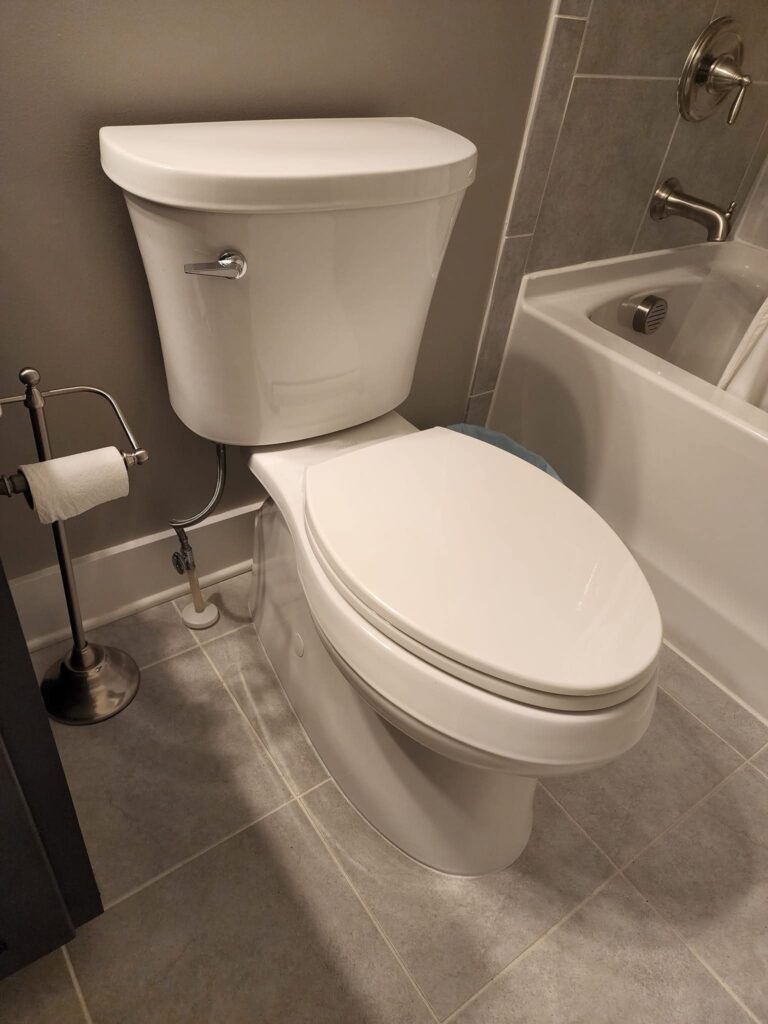
Replace the Fill Valve to Fix a Toilet That Keeps Running
Replacing a fill valve is the definitive fix when hissing and continuous refilling will not stop. Start by shutting off the supply valve and flushing the toilet to empty the tank as much as possible. Sponge out the remaining water from the bottom of the tank so it does not spill during disconnection. Place a bucket under the tank, then unscrew the supply line coupling from the bottom of the fill valve. Remove the plastic lock nut that holds the valve to the tank and lift the old valve out. Inspect the tank hole for cracks or mineral buildup before installing anything new. Insert the new valve with its rubber washer seated inside the tank, then hand tighten the lock nut underneath. Plastic threads strip easily, so tighten only a quarter turn past snug with pliers.
Setting the new valve height correctly is just as important as the installation itself. Most modern fill valves telescope, and the top of the valve must sit at least one inch above the overflow tube to prevent contaminated tank water from siphoning back into the supply. This is a code requirement called an air gap, and it protects your drinking water. Adjust the float so the water level stops about one inch below the top of the overflow tube. Connect the refill tube from the valve to the overflow tube using the provided clip, and make sure the tube does not extend down inside the overflow tube. A refill tube pushed too far down creates a siphon that drains the tank slowly and triggers phantom refills. Turn the water on gradually and check every connection for drips. Flush multiple times and confirm the valve shuts off crisply at the correct level.
Even a textbook fill valve replacement can reveal hidden problems in the surrounding plumbing. Supply valves that have not been turned in years often will not close fully, or they leak from the stem once operated. Braided supply lines older than ten years should be replaced on the spot, because their rubber cores degrade and burst without warning. A burst supply line can flood a bathroom with hundreds of gallons in a matter of hours. High water pressure, failing shutoff valves, and corroded connections are all things a plumber evaluates during a routine toilet repair visit. Catching those issues early prevents the kind of water damage that costs thousands to remediate. If you suspect hidden leaks anywhere in your bathroom, click here for our leak detection service. Small tank repairs are the perfect opportunity to verify the rest of the system is sound.
Check the Overflow Tube When Your Toilet Keeps Running
The overflow tube is the vertical pipe in the center of the tank that prevents overfilling by routing excess water into the bowl. When everything works correctly, water should never reach the top of this tube during normal operation. If you look inside the tank and see water spilling over the tube’s rim, the fill valve is shutting off too late and the float needs to be lowered. If the water level is correct but the toilet still runs, examine the tube itself for cracks. Hairline cracks near the base are common on older plastic flush valve assemblies and allow tank water to bleed into the bowl constantly. Shine a flashlight around the base of the tube and look for movement or discoloration in the water. Food coloring added directly around the tube base helps trace a leak to a specific crack. A cracked overflow tube cannot be patched reliably and requires flush valve replacement.
Replacing a flush valve assembly is the most involved tank repair on this list. The water gets shut off, the tank gets drained and disconnected from the supply line, and then the tank bolts get removed so the tank can lift off the bowl. The large spud nut on the bottom of the tank holds the flush valve in place and often requires a specialty wrench to loosen. The new flush valve gets installed with a fresh spud washer, and the tank goes back onto the bowl with a new gasket and new bolts. Every seal in that stack has to compress evenly, or the tank will leak onto the floor at the first flush. Uneven bolt tightening is also the leading cause of cracked tanks during this repair. Porcelain gives no warning before it cracks; it simply fails under point pressure. This is precisely the repair where professional experience protects your fixture and your bathroom floor.
There are situations where repairing the tank internals no longer makes financial sense. Toilets manufactured before 1994 use 3.5 gallons or more per flush, while modern high efficiency models use 1.28 gallons or less. A family of four can save thousands of gallons per year just by upgrading the fixture. Cracked tanks, repeatedly failing parts, wobbly bowls, and constant clogging are all signs the toilet has reached the end of its service life. New toilets also flush more effectively than old ones, thanks to improved trapway and jet designs. Installation includes a new wax ring or waxless seal, new bolts, and a proper check of the flange underneath. A bad flange is a hidden source of leaks and floor rot that only gets discovered during replacement. If your toilet is old and troublesome, click here for our toilet installation service.
Why You Need Professional Toilet Repair for a Running Toilet
A running toilet seems like a minor annoyance, but it quietly becomes one of the most expensive fixtures in your home. The wasted water inflates your utility bill month after month, and the underlying causes tend to worsen over time. DIY fixes work for simple chain and flapper adjustments, but valve seats, flush valve assemblies, and supply line issues require the right tools and experience. A professional diagnosis catches every failing part in one visit instead of a string of hardware store trips. Professional repair also comes with workmanship you can trust and parts that are matched correctly to your specific toilet. Here is why calling a licensed plumber for a running toilet is the smart move.
A Running Toilet Wastes Water and Raises Your Bill
The numbers on a running toilet are shocking once you see them. A moderate leak wastes around 200 gallons per day, and a severe one can exceed 1,000 gallons per day. Over a single month, that is anywhere from 6,000 to 30,000 gallons of clean water down the drain. Many Cherokee County homeowners discover the problem only when a water bill arrives two or three times higher than normal. Summer irrigation already pushes water usage up, so a running toilet on top of that can produce a truly painful bill.
Wasted water is not the only cost hiding in a running toilet. Constant refilling cycles wear out the fill valve faster, which accelerates the next failure. Homes on septic systems face an even bigger risk, because thousands of extra gallons flowing into the drain field can saturate and damage the system. Septic repairs cost exponentially more than any toilet fix. Municipal sewer customers pay sewer charges based on water usage, so the leak hits the bill twice. Stopping the leak quickly protects both your wallet and your wastewater system.
Fixing a running toilet pays for itself faster than almost any other plumbing repair. A repair that stops 200 gallons of daily waste saves roughly 6,000 gallons a month immediately. Most homeowners recover the cost of professional repair within one or two billing cycles. The fix also restores quiet to your home, which matters more than people admit when the toilet is near a bedroom. Prompt repair is simply the cheapest option on the table. Waiting only increases the total you will eventually pay.
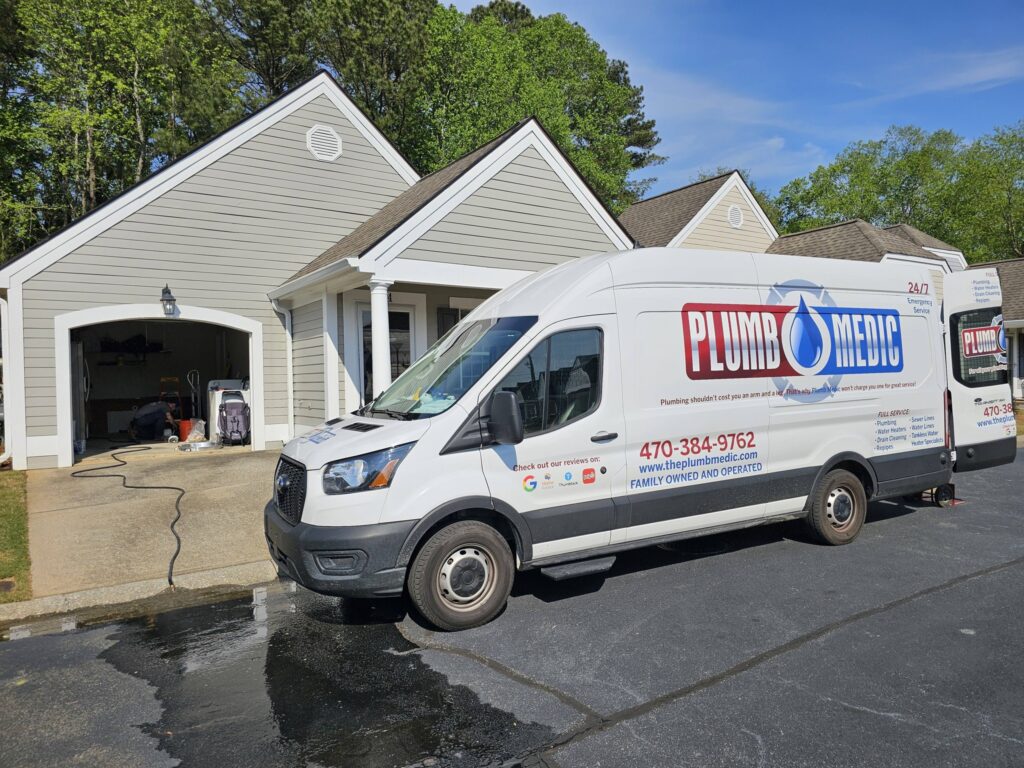
Professional Toilet Repair Prevents Bigger Plumbing Problems
A running toilet is often a symptom of conditions affecting your whole plumbing system. High water pressure destroys fill valves, faucet cartridges, and supply lines at the same time, so a plumber who finds a blown fill valve will check your pressure too. Sediment in the tank points to aging pipes or water quality issues worth addressing. Corroded shutoff valves and brittle supply lines get flagged before they fail catastrophically. One professional visit covers all of it.
DIY repairs carry risks that rarely get mentioned in online tutorials. Overtightened lock nuts crack porcelain tanks, and a cracked tank means full toilet replacement. Disturbed supply lines can start leaking hours after the repair, sometimes while nobody is home. A slow leak under a toilet rots subfloors and feeds mold long before anyone notices. Professionals carry the correct parts, torque everything properly, and test the entire connection chain before leaving. That thoroughness is what prevents the small repair from becoming a restoration project.
Professional repair also means the problem gets diagnosed correctly the first time. Homeowners frequently replace the flapper when the real issue is a pitted valve seat, then replace the fill valve when the real issue is a cracked overflow tube. Each wrong guess costs money and time while the water keeps running. A licensed plumber identifies the true failure point in minutes using systematic testing. The repair gets done once, with the right part, and it holds. That certainty is worth the service call by itself.
Why Choose Plumb Medic for Toilet Repair in Woodstock, GA
Plumb Medic is a licensed plumbing company based at 225 Creekstone Ridge Suite 19 in Woodstock, GA. Every technician on our team is fully licensed and experienced, so the person fixing your toilet knows exactly what they are doing. We were named Business Rate’s Best of Woodstock Plumber for 2025, an honor earned through consistent, honest work. We serve Woodstock and surrounding communities including Marietta, Kennesaw, Roswell, Canton, Holly Springs, and Acworth. When your toilet keeps running, we are close by and ready to help.
We built our service policies around treating customers fairly. Diagnostic fees are waived when we handle the repair, so you never pay just to find out what is wrong. Financing is available through Wisetack for larger jobs like toilet replacement or repiping. Military and senior discounts are available on every service. We are also TracPipe and Navien certified, which reflects the depth of training our team maintains across all plumbing work.
We believe a plumbing company should give back to the community it serves. Plumb Medic donates 2% of every service call to Children’s Healthcare of Atlanta to support local families. Our 24/7 emergency plumbing services mean a running toilet, a burst pipe, or a failed shutoff valve never has to wait until morning. One call gets a licensed technician to your door with the parts to fix it right. Stop paying for water you never use. Call Plumb Medic today at (470) 384-9762 or email office@theplumbmedic.com to schedule your toilet repair.