
The Hidden Slab Leak Warning Signs Most Homeowners Miss Until It Is Too Late
Slab leaks rank among the most damaging plumbing problems a homeowner can face, and they often hide in plain sight for months before anyone notices. A slab leak happens when water lines running beneath your concrete foundation develop cracks, pinholes, or burst sections that release water into the soil under your home. The tricky part is that the water has nowhere obvious to go, so the damage builds quietly until it threatens your foundation, flooring, and structural integrity. By the time most Woodstock homeowners spot the obvious signs, repair costs have already climbed significantly. Catching a slab leak early can save thousands of dollars and protect the long-term value of your property. The team at Plumb Medic wants every homeowner to recognize these subtle warning signs before small leaks turn into major disasters.
Early Slab Leak Warning Signs Every Homeowner Should Know
Spotting a slab leak early requires paying attention to small changes around your home that most people dismiss as quirks. Water under a concrete foundation does not announce itself with dramatic flooding; instead, it sends quiet signals through your floors, walls, and utility bills. Many homeowners ignore these signs for months, thinking they are unrelated household issues. Learning to connect the dots between subtle changes can mean the difference between a quick fix and a major foundation repair. Below are the early warning signs that point directly to a potential slab leak hiding beneath your home.
Unexpected Water Bill Spikes Are an Early Slab Leak Warning Sign
One of the first and most reliable warning signs of a slab leak is a sudden jump in your monthly water bill. Water escaping from a pipe under your foundation runs continuously, and your meter keeps tracking every gallon that passes through. Homeowners often notice their bill climbing by 30 to 50 percent without any change in household usage. If your family routine has stayed the same but your bill has not, that gap deserves attention. A quick way to check is to shut off every fixture in the home and watch the water meter; if it keeps moving, water is going somewhere it should not.
Comparing bills across several months gives you a clearer picture than looking at just one statement. Seasonal changes can affect usage, but a slab leak creates a steady upward trend regardless of the season. Many slab leaks start small, which means the bill creep may be gradual at first before climbing sharply as the leak grows. Keeping old water bills on file makes spotting this pattern much easier. Even a small jump that you cannot explain warrants a closer look at your plumbing system.
The longer you wait to investigate a rising water bill, the more expensive the underlying problem becomes. Water moving under your foundation can erode soil, weaken concrete, and damage flooring above the leak. What starts as a $50 increase on your monthly bill can grow into thousands in repair costs over a year. Acting quickly when you spot unusual water usage protects both your wallet and your home. Need professional help finding a hidden leak? Click here for our leak detection services.
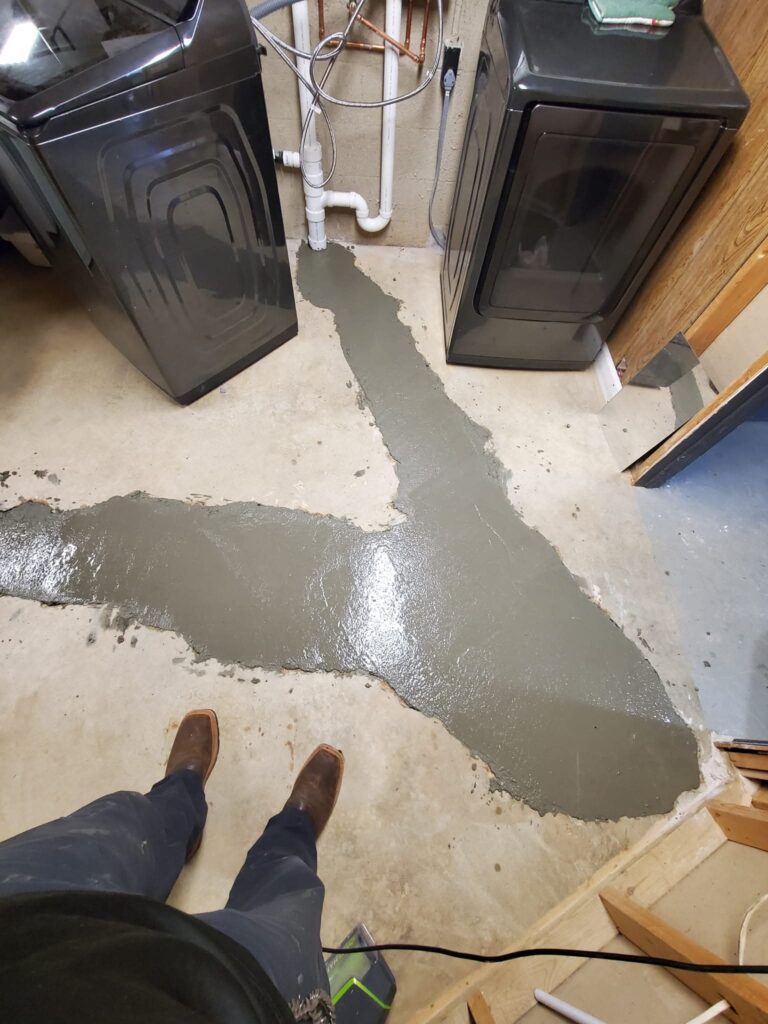
Warm Spots on Floors Signal a Hot Water Slab Leak
A warm or hot spot on your floor is one of the clearest physical warning signs of a slab leak involving a hot water line. Hot water pipes run beneath the concrete just like cold water lines, and when they crack or develop pinholes, the escaping water heats the slab from below. You might notice this most when walking barefoot across tile, hardwood, or vinyl flooring. The warm area is usually localized to one specific patch rather than spread across an entire room. Pets often gravitate to these warm spots, which can be an unintentional clue that something is wrong.
The temperature difference may be subtle at first, especially in homes with thick flooring or carpet over the slab. Over time, the warm spot tends to grow as the leak expands and more hot water saturates the concrete. Homeowners sometimes mistake these warm areas for sun exposure or normal household heating, which delays detection. A simple test is to check the spot in the morning before sunlight or HVAC systems have warmed the room. If a single area remains noticeably warmer than the surrounding floor, a hot water slab leak is a strong possibility.
Ignoring warm spots allows the leak to continue damaging your foundation and wasting hot water around the clock. Your water heater also works harder to replace the constantly lost hot water, which raises your energy bill in addition to your water bill. The combined cost of utilities and damage adds up quickly when this type of leak goes unaddressed. Catching a hot water slab leak early often means a smaller repair area and less disruption to your home. Recognizing the warm spot warning sign is one of the most powerful tools homeowners have for early detection.
The Sound of Running Water Is a Common Slab Leak Warning Sign
Hearing the sound of running water when no fixtures are in use is one of the most overlooked warning signs of a slab leak. This sound often comes through the floor, walls, or specific rooms in the home and may be mistaken for normal pipe noises. The quieter your home, the easier it is to notice this subtle but persistent sound. Many homeowners first hear it late at night when household activity dies down. Walking through different rooms and pressing your ear close to the floor can help you pinpoint where the sound is loudest.
Slab leaks produce a steady hissing, whooshing, or trickling sound depending on the size and pressure of the leak. The noise comes from water escaping the pipe under pressure and moving through soil or gaps in the concrete. Pipes that are partially blocked or under stress may also produce vibration sounds that carry through the slab. If you can hear water moving but every faucet, toilet, and appliance is off, the source is almost certainly a hidden leak. Trusting your ears in this situation can lead to early detection and far smaller repair bills.
Some homeowners assume the sound is coming from a neighbor’s plumbing or an HVAC system, which delays proper investigation. A professional leak detection service uses specialized listening equipment to confirm whether the noise is coming from beneath your slab. Catching a leak based on sound alone has saved many Woodstock homeowners from major foundation damage. Acting on this warning sign quickly is one of the smartest moves a homeowner can make. The sooner the source is identified, the simpler the repair tends to be.
Hidden Slab Leak Damage Signs Inside Your Home
Beyond the early warning signs, slab leaks leave behind a trail of damage that shows up in places homeowners rarely connect to plumbing. These hidden signs often appear weeks or months after the leak begins, and they tend to be blamed on settling, weather, or age. Recognizing these clues as plumbing-related can shorten the time between the leak starting and the repair being completed. Each sign on its own may seem minor, but together they paint a clear picture of water moving where it should not. Below are the damage signs that point to a slab leak that has been active for some time.
Cracked Flooring and Tile Damage Are Slab Leak Damage Signs
Cracks in tile, hardwood, or vinyl flooring often indicate that water has been working on your slab from below for an extended period. As water saturates the concrete, the slab can shift, swell, or weaken, putting stress on whatever flooring sits on top. Tile is especially vulnerable because grout lines and ceramic do not flex; they simply crack when the surface beneath them moves. Hardwood floors may warp, buckle, or develop gaps between planks as moisture rises through the slab. Vinyl and laminate can bubble, separate at the seams, or feel soft underfoot in affected areas.
Homeowners often mistake these cracks for normal wear and tear, especially in older homes where some settling is expected. The key difference is that slab leak damage tends to appear in one specific area rather than across the entire floor. If you notice cracks forming in the same room where you have also seen warm spots or heard running water, the connection is hard to ignore. Tile that suddenly comes loose or grout that crumbles in a particular spot is a strong indicator of moisture damage from below. Tracking when and where these cracks appear gives a professional plumber valuable information for diagnosis.
Replacing damaged flooring before fixing the underlying slab leak is a costly mistake that many homeowners make. Without addressing the source, the new floor will suffer the same fate within months. A proper repair starts with locating the leak, fixing the pipe, and allowing the slab to dry before installing new materials. Plumb Medic helps homeowners across Woodstock identify the root cause before any cosmetic repair work begins. Saving the foundation comes first, and the visible damage gets resolved as part of a complete repair plan.
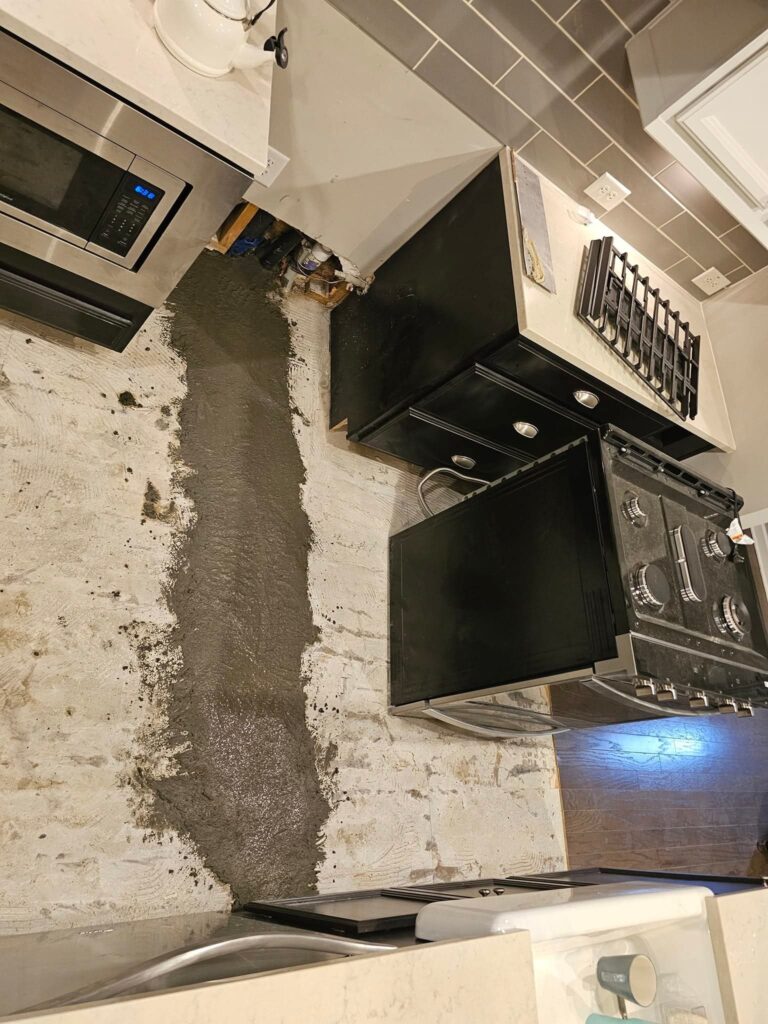
Mold and Mildew Smells Are Strong Slab Leak Damage Signs
A musty smell that lingers in your home despite cleaning is often a sign that water from a slab leak is creating the perfect environment for mold. Moisture trapped under flooring, behind baseboards, or inside wall cavities feeds mold growth that may never become visible to the naked eye. The smell tends to be strongest in lower areas of the home, closest to where the water is collecting. Homeowners with allergies or asthma may notice symptoms worsening before they identify the source as a plumbing issue. A persistent damp odor in a specific room deserves serious attention.
Mold can begin growing within 24 to 48 hours of water exposure, which means slab leaks create ideal conditions very quickly. The longer the leak continues, the more widespread the mold problem becomes inside walls, under flooring, and within insulation. Some mold species are harmless, while others pose real health risks to children, elderly family members, and pets. Even nontoxic mold damages building materials and lowers indoor air quality. Recognizing the smell as a plumbing warning sign helps homeowners act before the problem spreads.
Eliminating mold without fixing the slab leak is impossible because the moisture source keeps returning. Professional remediation companies often work alongside plumbers to ensure the underlying leak is resolved before cleaning begins. Plumb Medic provides the leak detection and repair expertise that makes lasting mold removal possible. Suspect a hidden leak in your home? Click here to learn more about our water heater inspection and full system evaluation services. Catching the smell early protects both your home and your family’s health.
Foundation Cracks and Shifting Are Serious Slab Leak Damage Signs
Visible cracks in your foundation, walls, or ceiling are some of the most serious warning signs that a slab leak has been active for an extended period. Water erodes the soil beneath the concrete, creating voids that cause the foundation to shift, sink, or crack. These structural changes show up as cracks in drywall, gaps around door frames, and windows that no longer open or close smoothly. Floors may also begin to slope subtly, which homeowners often discover when furniture or appliances seem off-balance. Each of these clues points to a problem that started below the slab.
Foundation damage from a slab leak progresses in stages, beginning with hairline cracks and ending with major structural issues. The early stages are far easier and cheaper to address than later repairs that may require foundation jacking or extensive concrete work. Georgia’s clay-heavy soil expands and contracts dramatically with moisture changes, which accelerates damage when a slab leak adds water to the mix. Homeowners in Woodstock and surrounding areas should pay special attention to foundation movement during seasonal weather shifts. Documenting cracks with photos over time helps determine whether the damage is stable or worsening.
Repairing a slab leak before structural damage becomes severe is one of the most important investments a homeowner can make. Foundation repairs often cost ten times more than the original plumbing repair would have. Plumb Medic works with homeowners to catch slab leaks before they cause structural problems and to coordinate repairs when damage has already started. Acting on the early signs prevents the cascade of expensive consequences that come with delayed action. Protecting the foundation protects everything built on top of it.
Why You Need Professional Slab Leak Detection Right Away
Slab leaks rarely fix themselves, and the damage they cause only grows with time. DIY detection methods can confirm that a problem exists, but locating the exact source under concrete requires specialized equipment and training. Professional plumbers use acoustic listening devices, thermal imaging, and pressure testing to pinpoint leaks without unnecessary demolition. The right tools mean smaller repair areas, faster turnaround, and lower overall costs. Homeowners who try to find slab leaks on their own often spend more on trial-and-error repairs than they would have on a professional diagnosis.
Why You Need a Licensed Plumber for Slab Leak Detection
Slab leak detection is one of the most technical jobs in residential plumbing, and it requires both experience and the right equipment. Licensed plumbers train extensively in leak detection methods that allow them to find problems without tearing up floors or breaking concrete. Acoustic equipment listens for the specific sound signatures of water escaping under pressure, while thermal cameras detect temperature changes in the slab. Pressure testing isolates sections of your plumbing system to confirm where water is leaving the pipes. Combining these methods produces accurate results that guide a targeted repair.
A licensed plumber also understands the local building codes and permit requirements that apply to slab leak repairs in Woodstock and the surrounding Georgia communities. Repairs done without proper permits can create problems when selling your home or filing insurance claims. Working with a licensed professional ensures the work meets code and is documented properly. This protects your investment in both the short term and the long term. Trying to save money with an unlicensed handyman often costs more when the repair fails inspection.
Experience matters as much as licensing when it comes to slab leak work. A seasoned plumber has seen hundreds of leak patterns and knows which signs point to which types of problems. This pattern recognition speeds up diagnosis and reduces the time your home is disrupted. Plumb Medic’s technicians bring this kind of hands-on experience to every slab leak call across the Atlanta metro area. Choosing the right plumber makes a noticeable difference in the speed and quality of your repair.
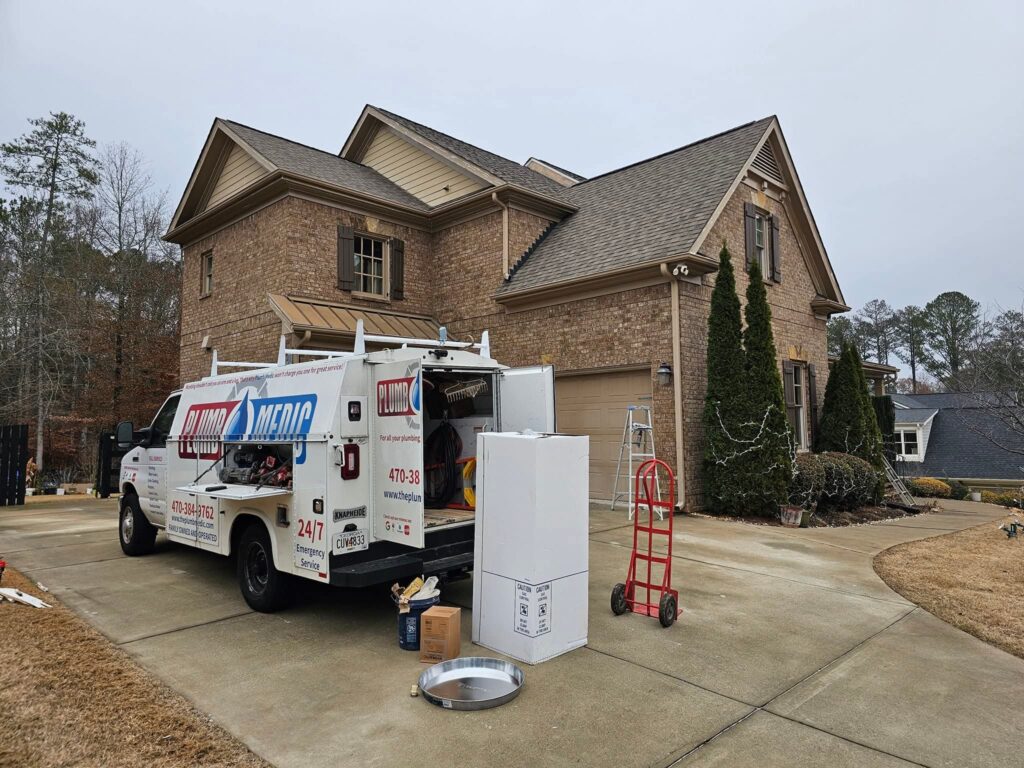
Why You Need Fast Action When You Suspect a Slab Leak
Time is the single most important factor when dealing with a suspected slab leak. Every day the leak continues, more water escapes, more soil erodes, and more damage accumulates inside and outside your home. Acting within the first few days of noticing warning signs often means the difference between a simple pipe repair and a major restoration project. Insurance coverage for slab leaks varies by policy, and prompt action strengthens any claim you may need to file. Documenting the warning signs and contacting a plumber quickly puts you in the best position to limit costs.
Fast action also protects your family’s health and safety. Mold growth, structural shifting, and electrical hazards from water near wiring all become more likely the longer a slab leak goes untreated. Children and elderly family members face higher risks from indoor air quality problems caused by hidden moisture. Pets that drink from puddles or walk through damp areas may also be affected. Treating slab leaks as the urgent problems they are keeps your household safe.
Plumb Medic offers 24/7 emergency plumbing services for situations that cannot wait until morning. Slab leaks that involve significant water flow, electrical concerns, or active flooding qualify for immediate response. Suspect a slab leak in your home? Click here for our burst pipe repair and emergency plumbing services. Reaching out at the first sign of trouble is always the right call.
Why You Need Plumb Medic for Slab Leak Detection and Repair
Plumb Medic has built a reputation across Woodstock and the greater Atlanta area for accurate slab leak detection and reliable repair work. Every technician on the team is fully licensed and brings years of hands-on experience to each job. The company holds TracPipe and Navien certifications, which speaks to the level of training the team maintains across all aspects of residential plumbing. Earning Business Rate’s Best of Woodstock Plumber 2025 award reflects the trust that local homeowners have placed in the company. That trust is something the team works to maintain on every service call.
Plumb Medic also makes professional plumbing accessible through practical customer-friendly policies. Financing is available through Wisetack for repairs that require a larger investment. Diagnostic fees are waived when the company handles the repair, which keeps costs predictable for homeowners. Military and senior discounts are available, and 2 percent of every service call is donated to Children’s Healthcare of Atlanta to support local families. These policies reflect the company’s commitment to serving the community beyond just plumbing.
Calling Plumb Medic at the first sign of a slab leak puts an experienced team on the case right away. The technicians arrive with the equipment, knowledge, and certifications needed to diagnose and repair the problem efficiently. Protecting your home from hidden water damage starts with a single phone call. Reach out to Plumb Medic today at (470) 384-9762 to schedule your slab leak detection or to speak with the team about any plumbing concern. Acting on early warning signs is the smartest decision a homeowner can make.