
Why Your Kitchen Sink Backs Up Every Time the Dishwasher Runs
A kitchen sink that fills with dirty water every time the dishwasher runs is a frustrating problem. The issue points to a shared drain line that cannot handle the volume or has a blockage somewhere along the path. Dishwashers push wastewater into the same drain system as your kitchen sink, so any restriction will cause backflow. Grease, food particles, and soap scum build up over time and narrow the pipe. The good news is that this problem has clear causes and proven fixes. Catching it early prevents bigger plumbing failures down the road.
How the Dishwasher and Kitchen Sink Share a Drain Line
Your dishwasher and kitchen sink work together through a shared drainage setup under the cabinet. The dishwasher drain hose connects to either the garbage disposal or a dedicated branch on the sink tailpiece. When the dishwasher pumps out water, that water flows through the hose and joins the sink drain on its way to the main waste line. A small device called an air gap or a high loop prevents dirty water from flowing backward into the dishwasher. Understanding this layout helps you spot where things go wrong. Most backup issues happen at one of three points along this shared path.
The Garbage Disposal Connection in Your Kitchen Sink Drain Line
The garbage disposal sits at the heart of most kitchen drain systems, and it acts as the meeting point for the dishwasher hose. Food scraps that never fully grind down can collect inside the disposal chamber and block the small inlet where the dishwasher drains. This narrow opening is one of the most common spots for clogs to form in a shared kitchen drain. When the inlet plugs up, dishwasher water has nowhere to go except back up into the sink basin. Running the disposal before starting a dishwasher cycle can reduce this risk. Cleaning the disposal weekly with cold water and a stiff brush also helps.
Many homeowners forget that a new garbage disposal ships with a plug covering the dishwasher inlet. If a plumber or installer fails to knock out that plug during installation, the dishwasher water cannot drain at all. This causes immediate and severe backups every single cycle. The fix involves removing the disposal, knocking out the plug, and reconnecting everything. A professional plumber handles this quickly and tests the system before leaving. Skipping this step is one of the most common mistakes in DIY appliance installs.
Beyond the inlet, the disposal itself can wear out and lose grinding power. Dull blades leave larger food chunks behind, and those chunks travel into the shared drain line. Over months, this debris creates a sticky mat of organic matter inside the pipe. The pipe diameter shrinks, and water cannot move fast enough to clear the system during a dishwasher cycle. Replacing a worn disposal restores proper grinding and protects the drain line. Regular maintenance extends the life of both the disposal and the connected plumbing.
The P-Trap Clog That Causes Kitchen Sink Backups
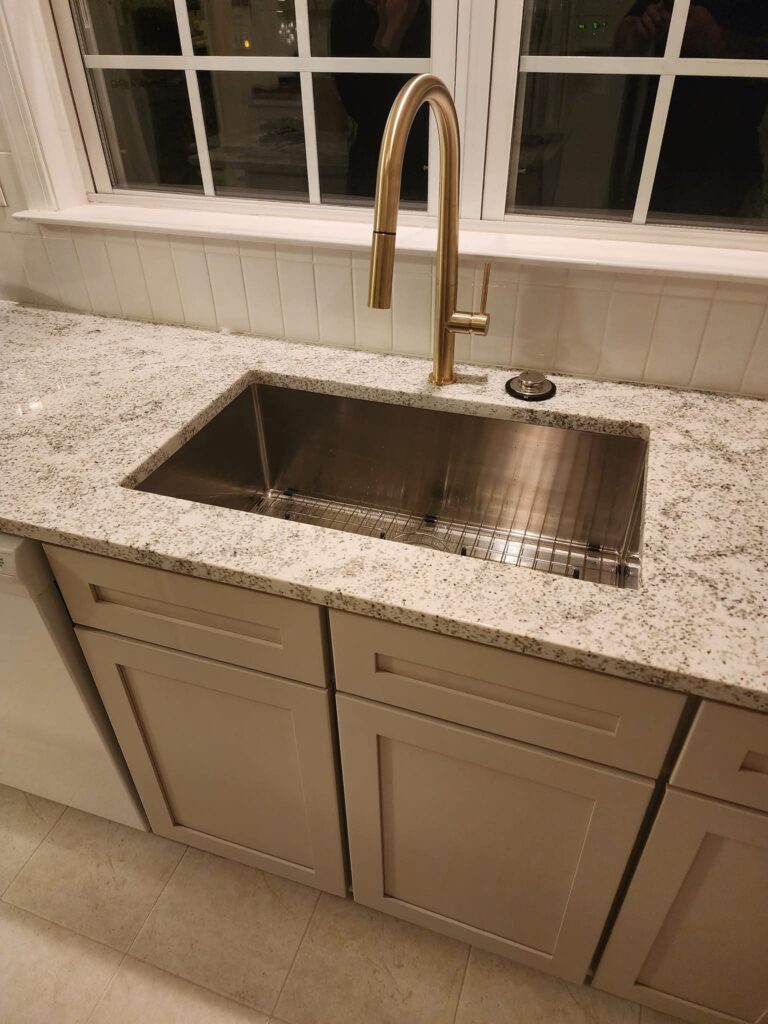
The P-trap is the curved pipe under your sink that holds a small amount of water to block sewer gases. This curve is also a magnet for grease, food particles, and soap residue. Over time, this sticky buildup hardens along the inside walls of the trap. The pipe diameter shrinks, and water flow slows to a crawl. When the dishwasher dumps several gallons of water in a short burst, the slow drain cannot keep up. Water backs up into the sink because gravity has nowhere else to send it.
Signs of a clogged P-trap include slow draining at the sink even without the dishwasher running. You may also notice gurgling sounds, foul odors, or standing water that takes minutes to clear. A flashlight and a quick visual inspection often reveal grease coating the inside of the trap arm. Disassembling the P-trap is a straightforward job for a plumber, who will clean it thoroughly and check the connecting pipes. Skipping professional cleaning can lead to leaks at the slip nuts or damaged threads. Proper reassembly with fresh washers prevents drips that can rot the cabinet below.
Many P-trap problems start with bad habits in the kitchen. Pouring bacon grease, cooking oil, or coffee grounds down the drain creates the perfect conditions for blockages. These materials cool, harden, and cling to pipe walls. Even hot water and dish soap cannot fully wash them away. Scraping plates into the trash before rinsing protects your drain line for years. If you suspect a stubborn clog, professional drain cleaning clears it without damaging the pipes. Click here for our drain cleaning service to restore proper flow.
The Main Branch Drain Line Behind Your Kitchen Sink
The branch drain line is the horizontal pipe that runs from your sink to the main vertical stack inside the wall. This pipe is hidden behind the cabinet and often forgotten during routine cleaning. Years of grease, detergent residue, and food particles coat the inside of this pipe. As the buildup thickens, the pipe loses capacity, and dishwasher discharge overwhelms the system. Backups happen because the line simply cannot move water fast enough during peak flow. This problem worsens gradually, so many homeowners do not notice until the backup becomes constant.
Older homes often have galvanized steel or cast iron branch lines that corrode from the inside. Rust flakes and mineral deposits narrow the pipe even more than grease alone. A camera inspection reveals the true condition of these hidden pipes. Plumbers use small flexible cameras to view the inside of the drain and pinpoint the exact location of buildup or damage. This diagnostic step prevents guesswork and avoids unnecessary repairs. Once the problem area is found, targeted cleaning or replacement restores full function.
Vent stack issues also affect how branch drains perform. Every drain line needs proper venting to allow air in as water flows out. If the vent is blocked by leaves, bird nests, or ice, the drain cannot pull air, and water moves slowly. This creates the same backup symptoms as a clogged pipe. A plumber inspects both the drain and the vent during a thorough service call. Addressing both sides of the system delivers a lasting fix.
Common Causes of Kitchen Sink Backups When the Dishwasher Runs
Several specific problems trigger a kitchen sink backup during a dishwasher cycle. Some are simple fixes you can spot with a flashlight, while others require professional tools and experience. Knowing the common causes helps you describe the problem accurately when you call a plumber. It also helps you prevent future issues through better habits and routine maintenance. Most backups fall into one of three categories, and each has a clear path to resolution. Acting quickly saves money and protects your cabinets, flooring, and the appliances themselves.
A Clogged Air Gap Causing Kitchen Sink Backups
The air gap is a small chrome cylinder that sits on top of the sink or countertop near the faucet. Its job is to prevent dirty drain water from siphoning back into the dishwasher. Inside the air gap are two hose connections and a small open chamber. Food debris and mineral buildup can clog this chamber over time. When the air gap clogs, water sprays out the top during a dishwasher cycle, and the sink backs up at the same time. This is one of the easiest plumbing problems to diagnose visually.
Cleaning an air gap is a manageable task, but it requires care to avoid damaging the hose clamps. The cap pulls off, and the inner cylinder lifts out for cleaning. A bottle brush and warm water remove most buildup, though stubborn deposits may need vinegar to dissolve. Reassembly must be tight enough to prevent leaks but not so tight that the plastic cracks. Some air gaps are integrated with the faucet base and require partial faucet removal. A plumber handles these tricky setups without risk of damage.
Homes without a visible air gap rely on a high loop instead. The high loop is a section of dishwasher drain hose secured to the underside of the countertop. It performs the same backflow prevention function as an air gap. If the high loop sags or comes loose from its clip, the system fails. A plumber resecures the loop or installs an air gap based on local code requirements. Both methods work well when installed correctly.
Hardened Grease and Food Debris in the Kitchen Sink Drain
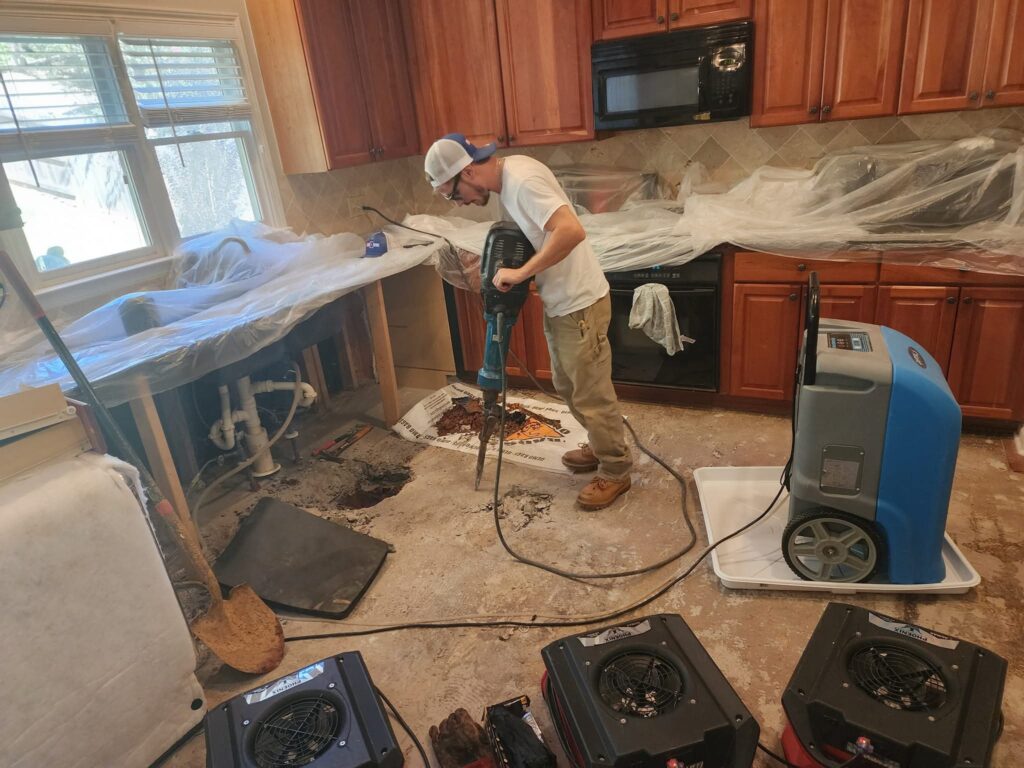
Grease is the number one cause of kitchen drain problems in homes across Georgia. Hot grease pours easily, but it cools quickly inside the pipes and hardens into a sticky coating. Each subsequent rinse adds more grease to the buildup. Over months and years, this layer grows thick enough to trap food particles, coffee grounds, and soap scum. The combination creates a near-solid plug that no amount of hot water can clear. The dishwasher cycle then pushes water against this plug and forces it back up into the sink.
Food debris from incomplete garbage disposal grinding adds to the problem. Starchy foods like rice, pasta, and potatoes swell when wet and form a paste. Fibrous foods like celery and onion skins wrap around disposal blades and slip into the drain without breaking down. These materials act like cement when combined with grease. Avoiding these foods in the disposal keeps the drain line clear much longer. Scraping plates and using strainers in the sink basin makes a noticeable difference.
Professional drain cleaning removes hardened buildup that home methods cannot touch. Plumbers use motorized augers and hydro jetting equipment to scour the inside of the pipe. Hydro jetting blasts high-pressure water through the line and removes years of buildup in minutes. This method is safe for most pipe materials and leaves the drain line nearly as clean as new. Chemical drain cleaners from the store rarely work on serious clogs and can damage older pipes. Professional service is the safer and more effective choice.
Damaged or Improperly Sloped Drain Pipes Behind the Kitchen Sink
Drain pipes must slope downward at a precise angle to carry water away by gravity. The standard is a quarter inch of fall per foot of horizontal run. If the slope is too flat, water sits in the pipe and food debris settles instead of washing away. If the slope is too steep, water rushes ahead of the solids and leaves them behind. Both conditions create backup problems during high-volume events like dishwasher cycles. Settling foundations, DIY remodels, and aging supports can all change pipe slope over time.
Cracked or collapsed pipes also cause persistent backups. Cast iron pipes from older homes can rust through and partially collapse. PVC pipes can crack from impact, ground movement, or poor support. Tree roots sometimes grow into joints and cause sections to shift or break. A camera inspection reveals these structural problems clearly. Repair often involves replacing a section of pipe and resetting the slope. This work is best left to licensed plumbers who understand local code requirements.
Belly sags in long horizontal runs trap water and debris in low spots. Over time, these sags grow worse and create permanent clogs. The only real fix is to support the pipe properly or replace the affected section. A plumber assesses the layout and recommends the most cost-effective solution. Need help with damaged pipes? Click here for our burst pipe repair service for fast and reliable repairs. Acting on these structural problems early prevents water damage to floors and cabinets.
Why You Need Professional Help for Kitchen Sink and Dishwasher Backups
A backup between your kitchen sink and dishwasher is more than an annoyance. It signals a real problem in your plumbing system that will worsen without attention. Dirty water on your countertops creates sanitation concerns, and standing water in the dishwasher can damage the appliance over time. Calling a professional plumber early prevents these issues from spreading. The right team brings the tools, experience, and licensing to fix the problem the first time. You also gain peace of mind knowing the repair meets local code.
Why You Need a Licensed Plumber for Kitchen Sink Backups
Licensed plumbers complete years of training and pass strict state exams before they can work on residential systems. This training covers drain layout, venting, slope requirements, and local code compliance. An unlicensed handyman may save you money upfront but often misses the root cause. The result is repeat backups, water damage, and higher repair bills. A licensed plumber diagnoses the system as a whole and fixes the underlying issue.
Insurance and warranty coverage protect you when a licensed plumber performs the work. If something goes wrong after the repair, the company stands behind the job. Unlicensed work often voids homeowner insurance claims and appliance warranties. This risk is rarely worth the small upfront savings. Choosing a licensed professional from the start is the smarter long-term decision.
Licensed plumbers also carry the right equipment for tough jobs. Drain cameras, hydro jetters, and motorized augers cost thousands of dollars and require training to operate safely. These tools clear problems that no home remedy can touch. Hiring a licensed pro means the job gets done quickly and correctly. The investment pays off in fewer service calls and longer pipe life.
Why You Need Fast Service for Kitchen Sink Backups
Backups grow worse the longer they sit. A small clog today can become a complete blockage tomorrow. Water that backs up repeatedly damages cabinets, flooring, and drywall. Mold growth becomes a real concern within 48 hours of moisture exposure. Fast service from a trusted plumber stops the damage before it spreads.
Emergency plumbing service matters when a backup happens overnight or on a weekend. Waiting until Monday morning costs more in damage than the emergency fee saves. A 24/7 plumber arrives quickly and gets your kitchen back in working order. This is especially valuable for families with busy schedules and full dishwashers waiting to run. Same-day service keeps your home functioning.
The right plumber also respects your time and property. Clean shoe covers, drop cloths, and careful work habits keep your home tidy during the repair. Clear communication about pricing and timeline prevents surprises. Need fast service? Click here for our drain cleaning service to schedule a visit. Professional service makes a stressful situation much easier.
Why You Need Plumb Medic for Your Kitchen Sink Backup
Plumb Medic has earned the trust of homeowners across Woodstock, Kennesaw, Marietta, and the greater North Atlanta area. Every technician on our team is fully licensed and experienced in residential drain systems. We arrive on time, diagnose the problem with care, and explain your options in plain language. Our work meets all local code requirements and comes with strong warranties. We treat your home like our own.
We waive diagnostic fees when we handle the repair, and we offer financing through Wisetack for larger jobs. Military and senior discounts make our service even more affordable. We donate two percent of every service call to Children’s Healthcare of Atlanta because we believe in supporting our community. Our certifications with TracPipe and Navien mean we handle complex systems with confidence. You get top-tier service at a fair price. Call Plumb Medic today at (470) 384-9762 to schedule your kitchen drain repair. Our 24/7 emergency line is always open for urgent backups. We are proud to be Business Rate’s Best of Woodstock Plumber 2025, and we work hard every day to live up to that honor. Click here for our drain cleaning service to book online. Your kitchen will be back to normal before you know it.