
How to Tell If Your Sump Pump Will Survive the Next Georgia Thunderstorm
Georgia thunderstorms in May bring heavy rain, fast runoff, and saturated soil around your foundation. Your sump pump is the one piece of equipment standing between your basement and water damage. Most homeowners in Woodstock, Kennesaw, and Marietta never test their sump pump until water is already rising on the floor. By then, it is too late to learn the motor burned out two seasons ago. A few simple checks before the next storm can tell you exactly where your sump pump stands. The team at Plumb Medic wants every homeowner prepared before the next round of severe weather rolls through North Georgia.
How to Test Your Sump Pump Before the Next Georgia Thunderstorm
Testing a sump pump takes about ten minutes and requires nothing more than a bucket of water and a flashlight. The goal is to confirm the pump turns on, moves water out of the pit, and shuts off cleanly. You also want to listen for grinding, humming, or rattling sounds that signal worn parts. A healthy sump pump should cycle smoothly and discharge water through the outlet pipe within seconds. Skipping this test is the most common reason a sump pump fails during a Georgia thunderstorm.
Performing the Bucket Test on Your Sump Pump Before a Thunderstorm
The bucket test is the fastest way to confirm your sump pump will activate when water enters the pit. Pour about five gallons of clean water slowly into the sump basin and watch the float switch rise. The motor should kick on within a few seconds once the float reaches the trigger point. If the pump hesitates, hums, or fails to start, the motor or capacitor may already be failing. Listen carefully for any clicking or buzzing that does not lead to actual pumping.
Once the pump engages, watch the water level drop steadily inside the pit. A strong sump pump will clear five gallons in under thirty seconds without straining. If the water drains slowly, the impeller may be clogged with sediment or debris from past storms. You should also confirm the pump shuts off cleanly once the water level drops below the float switch. A pump that keeps running on a dry pit will overheat and burn out fast.
Repeat the bucket test two or three times in a row to simulate back-to-back storm cycles. Georgia thunderstorms often dump several inches of rain in a single hour, so your pump needs to handle repeated activation. If the motor slows down, stalls, or trips the breaker during testing, schedule service right away. Catching these warning signs now is far cheaper than replacing flooded drywall and ruined flooring later. The bucket test is the single best habit a homeowner can build before storm season.
Checking the Float Switch and Power Source on Your Sump Pump Before a Thunderstorm
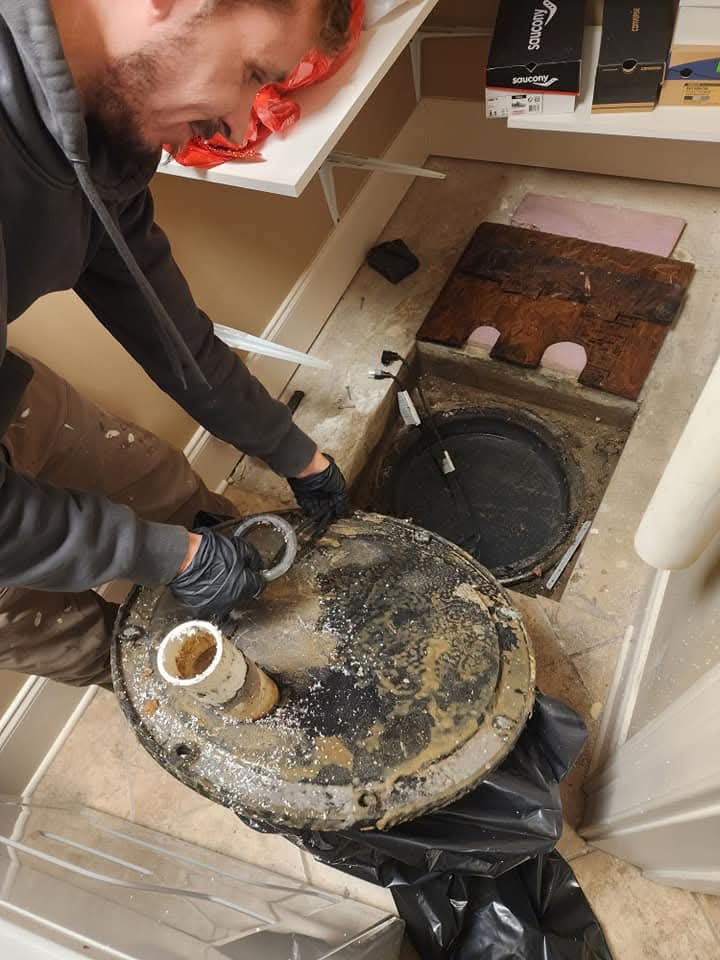
The float switch is the most common point of failure on any sump pump. Over time, the float can get stuck against the pit wall or tangled in the power cord. Lift the float by hand and confirm the pump turns on immediately when raised. Lower it back down and confirm the pump shuts off without delay. A float that sticks in either position will cause the pump to fail or run continuously until the motor burns out.
Next, inspect the power cord and the outlet powering the sump pump. The cord should plug directly into a dedicated GFCI outlet without an extension cord or power strip. Check for any frayed insulation, scorch marks, or loose plug connections at the outlet. A tripped GFCI is a frequent cause of sump pump failure during storms, so press the reset button to confirm power is flowing. If the outlet trips repeatedly, call a licensed professional to inspect the circuit.
Verify the sump pump sits level inside the pit and is not leaning against the side wall. A tilted pump can cause the float switch to bind and prevent normal operation. Clear any gravel, dirt, or debris from the bottom of the basin that could interfere with the impeller. Confirm the check valve on the discharge pipe is installed correctly and not leaking water back into the pit. Need sump pump repair before the next storm? Click here for our sump pump repair service.
Inspecting the Discharge Pipe and Outlet on Your Sump Pump Before a Thunderstorm
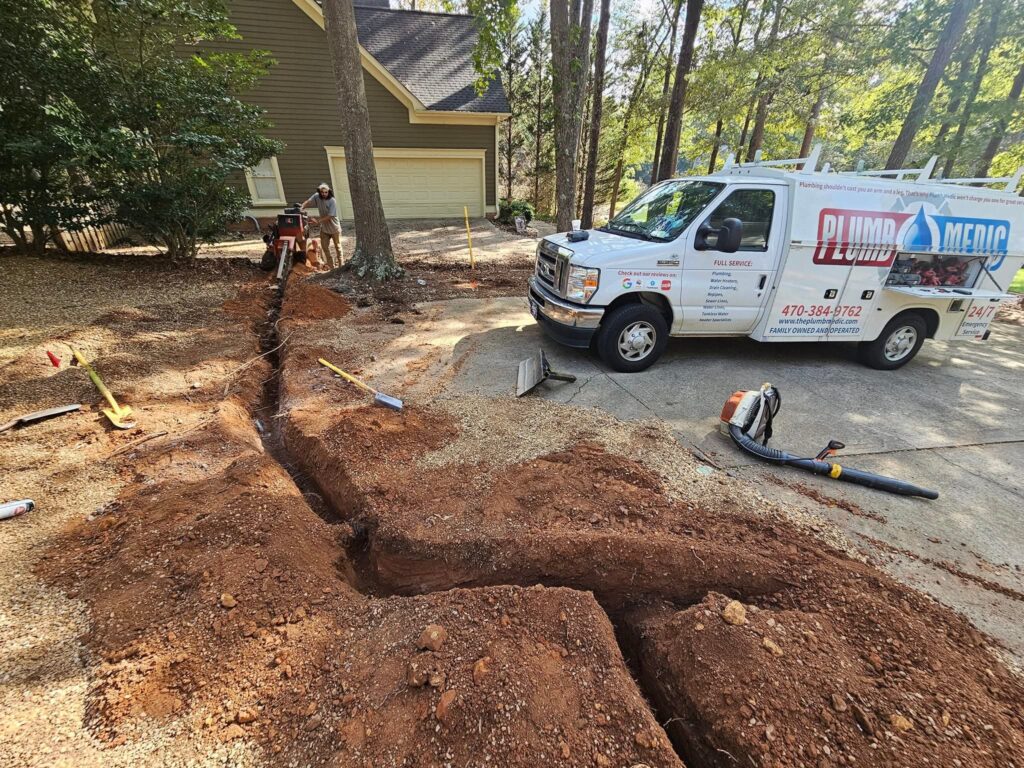
The discharge pipe carries water from the sump pit to a safe location outside your home. Walk outside and locate where the pipe exits the foundation wall. The outlet should be clear of mulch, leaves, mud, and any nests built by small animals. A blocked discharge line forces water back into the pit and overworks the pump motor. In severe cases, the backup pressure can crack the pipe inside your basement wall.
Confirm the discharge pipe slopes away from the foundation by at least ten feet. Water that dumps right next to the house will seep back into the soil and re-enter the sump pit within minutes. This creates a constant cycle that wears out the pump during long Georgia thunderstorms. If your discharge line is too short, add an extension or splash block to move water further out. Proper drainage outside the home is just as important as the pump itself.
During winter months in North Georgia, frozen discharge lines are a real threat. Even in May, sudden temperature drops have caused frozen outlets in past years. Check that the pipe has a slight downward slope and no sagging sections where water could pool. A frozen or blocked outlet will cause the pump to run nonstop and eventually overheat. A quick walk-around inspection takes five minutes and can save thousands in flood damage.
What Sump Pump Warning Signs Mean Before the Next Georgia Thunderstorm
A sump pump rarely fails without warning. Strange noises, longer run times, and visible rust all point to a system nearing the end of its service life. Most residential sump pumps last between seven and ten years under normal conditions. Pumps in clay-heavy North Georgia soil often wear out faster due to sediment buildup. Knowing what to listen and look for can give you weeks of advance notice before total failure.
Recognizing Unusual Sounds From Your Sump Pump Before a Thunderstorm
A properly working sump pump makes a steady, low hum during operation. Grinding, rattling, or screeching sounds indicate the impeller has come loose or struck debris in the pit. These noises are a clear sign the pump needs immediate attention before the next heavy rain. Ignoring grinding sounds can lead to a snapped impeller shaft and total pump failure. Replacing a damaged impeller is far less expensive than replacing the entire unit.
A loud thumping or banging sound usually means the discharge pipe is shifting during operation. The pipe may be loose at the check valve or rubbing against a joist. Secure the pipe with proper hangers and confirm the check valve is tightly threaded. Vibration over time can crack PVC fittings and create slow leaks inside the wall. Address any banging sounds before they turn into a hidden water damage problem.
Constant humming without any pumping action is a strong sign the motor is seizing. This often happens when sediment cakes around the impeller and prevents it from spinning freely. The motor will draw power, overheat, and eventually trip the breaker. If you hear humming with no water movement, unplug the pump immediately to prevent fire risk. Schedule professional service before plugging it back in or testing again.
Identifying Rust, Corrosion, and Age Issues on Your Sump Pump Before a Thunderstorm
Look closely at the body of your sump pump and the surrounding plumbing connections. Heavy rust on the motor housing or pump base means the unit has been exposed to standing water for years. While some rust is normal, flaking metal and orange residue in the pit signal advanced corrosion. A corroded pump can fail without warning during the next storm cycle. Replacement is the only safe option once internal components show serious rust.
Check the date stamp on the side of the pump or the original installation receipt. If your sump pump is older than seven years, plan for replacement soon. Even pumps that still run after a decade are operating on borrowed time. Manufacturers design these units for limited cycles, and Georgia storms push them hard each spring. Replacing a pump before it fails is always less stressful than dealing with a flooded basement.
Look at the water in the sump pit for unusual colors or oily films on the surface. Iron bacteria can build up inside the pit and clog the pump intake screen. Sediment that looks orange or rust-colored often indicates groundwater high in minerals. This buildup shortens pump life and reduces pumping efficiency over time. Need a new sump pump installed before storm season peaks? Click here for our sump pump installation service.
Watching for Frequent Cycling or Constant Running of Your Sump Pump Before a Thunderstorm
A sump pump that runs every few minutes when it has not rained signals a serious problem. The float switch may be set too low, causing the pump to cycle on small amounts of water. Constant cycling shortens motor life dramatically and wastes electricity. Adjust the float to the manufacturer’s recommended height to extend pump life. If cycling continues, the check valve may be leaking water back into the pit.
A pump that runs nonstop during dry weather points to groundwater seepage or a stuck float. Dig around the foundation to check for landscape drainage problems pushing water toward the basement. Gutters with poor downspout extensions are a major cause of constant sump pump operation. Redirect downspouts at least six feet away from the home to reduce the load on your pump. Fixing drainage outside the home solves many pump overuse issues.
If the pump runs but never moves water, the impeller is likely stuck or the discharge line is blocked. Shut off power to the pump and inspect the intake screen for clogs. Clear any debris and confirm the discharge pipe is open from the basement to the outdoor outlet. Continuing to run a clogged pump will burn out the motor in hours. Catching this problem early prevents a complete system replacement.
Why You Need Professional Sump Pump Service Before the Next Georgia Thunderstorm
A sump pump is the cheapest insurance policy against thousands of dollars in basement flood damage. Professional service confirms every component is ready before the next major rain event. The licensed plumbers at Plumb Medic test pumps the right way, inspect every connection, and recommend upgrades when needed. Waiting until the system fails always costs more than scheduled maintenance. Spring storm season is the right time to book service.
Why Annual Sump Pump Inspections Matter Before the Next Georgia Thunderstorm
An annual inspection catches small problems before they become emergency repairs. A licensed plumber tests the motor under load, inspects the float switch, and confirms the discharge line is clear. The check valve, GFCI outlet, and battery backup are all verified during the visit. These checks take less than an hour and provide complete confidence before storm season. Most pump failures during storms trace back to skipped maintenance.
Inspections also identify worn parts before they cause total failure. Impellers, check valves, and float switches all wear out at different rates. Replacing a single part during a scheduled visit is much cheaper than emergency service during a flood. A plumber can also recommend upgrades that match your basement’s specific water load. Professional service extends the working life of the entire system.
Annual visits build a service history that helps with insurance claims if flooding ever does occur. Documented maintenance shows your insurance company you took reasonable steps to protect the property. This documentation can speed up claim approval and reduce out-of-pocket costs. Homeowners who skip maintenance often face denied claims after major water damage. Inspections protect your home and your wallet at the same time.
Why Battery Backup Sump Pumps Are Critical Before the Next Georgia Thunderstorm
Most sump pump failures during Georgia thunderstorms happen because the power goes out. Lightning strikes, downed trees, and high winds knock out electricity at the worst possible time. A battery backup sump pump activates the moment the main pump loses power. This second pump keeps the basement dry until utility power is restored. Every home with a sump pit should have a battery backup installed.
Modern backup systems can run for six to twelve hours on a fully charged battery. Some units include smart monitoring that sends alerts to your phone when the backup activates. This feature is especially helpful for homeowners who travel often or own rental property. A backup pump pays for itself the first time the main power goes out during a storm. Storm season in Georgia makes this upgrade essential.
Backup batteries need to be tested twice a year to confirm they hold a full charge. A weak battery will fail at the exact moment it is needed most. Plumb Medic technicians test backup batteries during every service visit. We also confirm the charging system is working and the connections are tight. A battery backup is only as reliable as its last test.
Why Choose Plumb Medic for Sump Pump Service Before the Next Georgia Thunderstorm
Plumb Medic has earned Business Rate’s Best of Woodstock Plumber 2025 by delivering honest, expert service to every customer. All of our technicians are fully licensed, experienced, and trained on the latest sump pump systems. We waive diagnostic fees when we handle the repair, so you only pay for the work that protects your home. Military and senior discounts are available, and financing through Wisetack makes major repairs affordable. We donate two percent of every service call to Children’s Healthcare of Atlanta to support local families.
Our team offers 24/7 emergency plumbing service across Woodstock, Kennesaw, Marietta, Roswell, and the surrounding North Georgia area. When a sump pump fails in the middle of a storm, we respond fast with fully stocked trucks ready for replacement or repair. We carry top-rated sump pumps, battery backups, and check valves in stock for same-day installation. Our trucks roll out of 225 Creekstone Ridge in Woodstock and reach most neighborhoods within the hour. Storm season does not wait, and neither do we. Schedule your sump pump inspection today and head into the next Georgia thunderstorm with full confidence. Need sump pump installation, repair, or annual service? Call Plumb Medic at (470) 384-9762 and our team will get your home protected before the next downpour.