
Signs Your Outdoor Hose Bib Cracked Over Winter and Is Leaking Behind the Wall
Spring is the season when hidden plumbing damage from winter finally shows itself. One of the most common problems Georgia homeowners face is a cracked outdoor hose bib leaking behind the wall. The hose bib is the spigot on the outside of your home where you connect your garden hose. When freezing temperatures hit during winter, water trapped inside the pipe expands and can split the metal. The crack often sits inside the wall cavity, so the leak stays hidden until you turn the water on in spring. By then, water may already be soaking through drywall, insulation, and framing.
How to Spot a Cracked Hose Bib Leaking Behind the Wall
A cracked hose bib does not always announce itself with a puddle outside. Often the spigot looks fine on the surface while water pours out behind the siding. Catching the leak early prevents mold growth, wood rot, and expensive structural repairs. Homeowners in Woodstock and across Cherokee County should run a quick inspection every spring before heavy outdoor water use begins. The signs below show up clearly once you know what to look for. Acting fast on any of them saves money and protects your home.
Water Stains and Damp Drywall From a Cracked Hose Bib
Water stains on interior walls are one of the first signs of a cracked hose bib leaking behind the wall. Check the wall directly inside from the spigot, often in a garage, basement, or first-floor room. Yellow or brown rings on drywall point to slow water seepage over time. Soft or spongy drywall means the leak has been active for weeks. Run your hand along the baseboard and feel for cool, damp spots. Peeling paint or bubbling wallpaper near the floor also signals trapped moisture.
A musty smell in the room near the hose bib is another red flag. Mold and mildew thrive in dark, wet wall cavities and produce that distinct earthy odor. Even a small crack in the spigot pipe can release several gallons a day under pressure. The moisture spreads through insulation and travels down to the bottom plate of the wall. By the time staining is visible, the damage inside the cavity is usually worse than what you see. A licensed plumber can open the wall and confirm the source.
Flooring near the affected wall often shows damage as well. Hardwood may cup or warp, and laminate may swell at the seams. Carpet feels damp near the baseboard or smells sour even after cleaning. Tile floors may stay cold and wet to the touch even on warm days. If you notice any of these signs, shut off the exterior water supply right away. Calling a plumber for leak detection is the safest next step before more damage occurs.
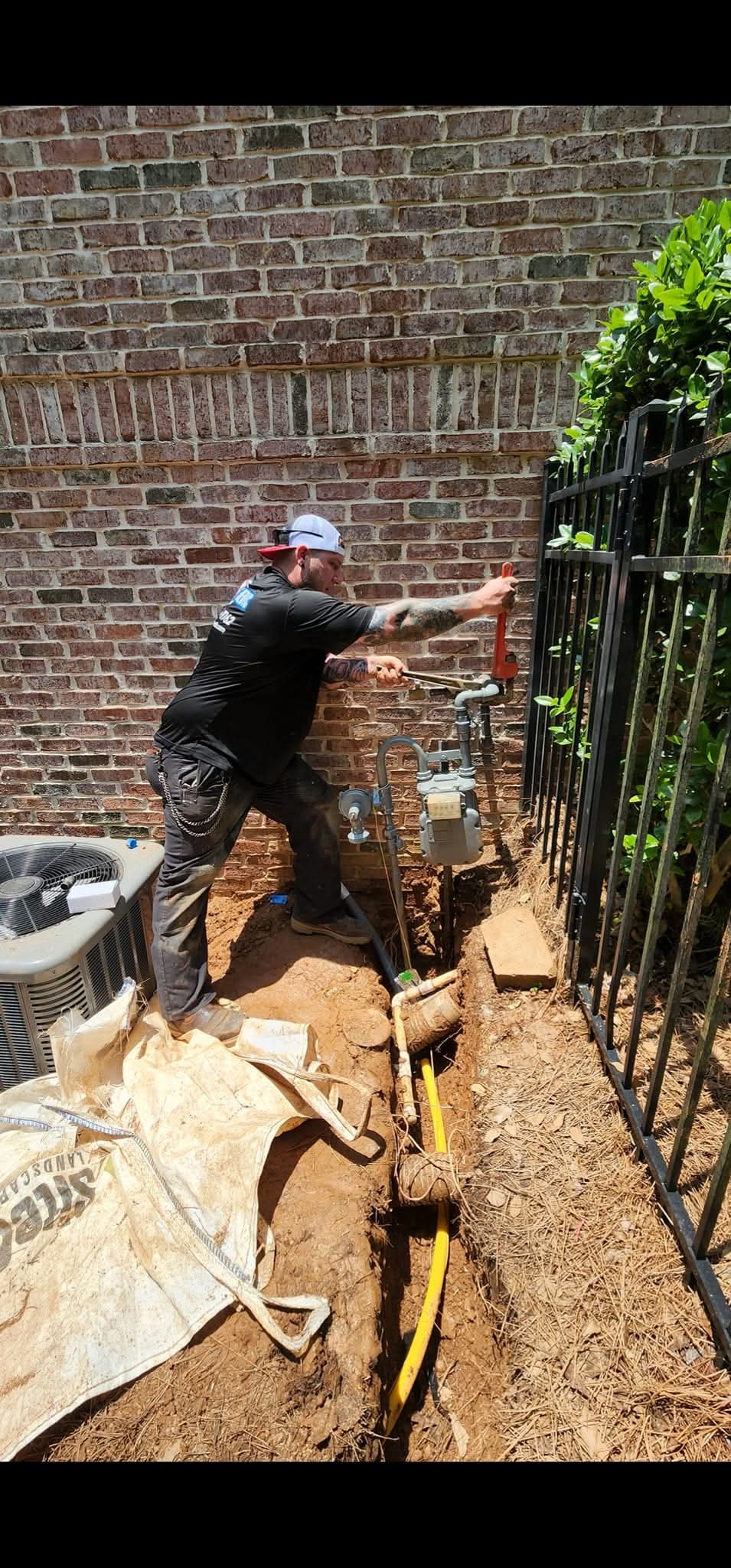
Pressure Drops and Sputtering From a Cracked Hose Bib
A cracked hose bib leaking behind the wall often causes weak water pressure at the spigot. When you turn the valve on, water escapes through the split before it reaches the nozzle. You may hear sputtering or hissing sounds as air mixes with the water flow. The garden hose may dribble instead of spraying with normal force. Pressure loss is especially noticeable when filling a bucket or running a sprinkler. This symptom is easy to miss if you blame the hose itself.
Sometimes the pressure drop affects other fixtures in the home too. A large crack pulls volume away from the cold water supply line feeding the house. You might notice the kitchen sink or a nearby bathroom faucet running weaker than usual. Toilets may take longer to refill after flushing. These signs mean the leak is releasing a significant amount of water inside the wall. Ignoring the issue can lead to a much bigger repair bill later.
Turn on the hose bib and listen carefully at the wall just inside the house. A faint rushing or trickling sound behind the drywall confirms water is escaping inside the cavity. Place your ear against the wall in a quiet moment to hear it clearly. You can also check your water meter with all fixtures off to see if it keeps moving. A spinning meter with no taps running points to a hidden leak somewhere in the system. Schedule professional burst pipe repair before the damage spreads further.
Higher Water Bills From a Cracked Hose Bib
A sudden jump in your water bill is one of the clearest signs of a cracked hose bib. Even a hairline split can waste hundreds of gallons a month under normal household pressure. Compare your spring bill to your winter bills to spot the change. A spike of twenty percent or more without any change in habits is a warning sign. Cobb and Cherokee County water rates make these leaks expensive fast. The longer the crack stays open, the worse the bill gets.
Pull out your last few months of statements and look at the usage trend in gallons. A leaking hose bib often shows up as a steady climb starting right after the first warm days. Your water provider may also send an alert if usage exceeds your normal range. Some smart meters can flag continuous flow and notify you through an app. Pay attention to these alerts because they often catch leaks before visible damage shows. Early detection keeps repair costs low.
The cost of wasted water is only part of the problem. A leaking hose bib can damage framing, insulation, and electrical wiring inside the wall. Mold remediation alone can run into the thousands of dollars. Insurance may not cover gradual leaks that were preventable with maintenance. Fixing the crack quickly is far cheaper than repairing the secondary damage. A plumber can replace the spigot and check the supply line in the same visit.
What Causes a Hose Bib to Crack Over Winter
Hose bibs crack in winter because water inside the pipe freezes and expands. Ice takes up more space than liquid water, and that pressure splits the copper or brass. Even one hard freeze in Woodstock can cause the damage. The crack may be tiny at first and only leak when the valve is opened in spring. Homeowners often miss the problem because the spigot looks normal from outside. Understanding the causes helps you prevent the same issue next winter.
Frozen Water Expansion Causing the Hose Bib to Crack
Water expands by roughly nine percent when it freezes solid. That expansion creates enormous pressure inside a sealed pipe. The weakest point in the line is usually the horizontal section of the hose bib sitting in the wall cavity. Copper splits along its length, and brass valves can crack at the threads. The damage happens overnight during the coldest hours. By morning the crack is already there even if no water is visible yet.
Standard hose bibs are most vulnerable because the valve sits right at the outside wall. Water stays in the short pipe section exposed to outdoor air. Frost-free hose bibs are designed to drain back into the heated part of the home. Many older houses in metro Atlanta still have standard spigots installed. These homes face the highest risk during a cold snap. Upgrading to a frost-free model is one of the best long-term fixes.
Leaving a garden hose attached over winter makes the problem worse. The hose traps water in the bib and prevents proper drainage. Even a frost-free spigot can crack when a hose blocks the drain path. Always disconnect hoses in late fall before the first hard freeze. Drain the spigot fully and shut off the indoor valve if your home has one. These small steps prevent most winter cracks.
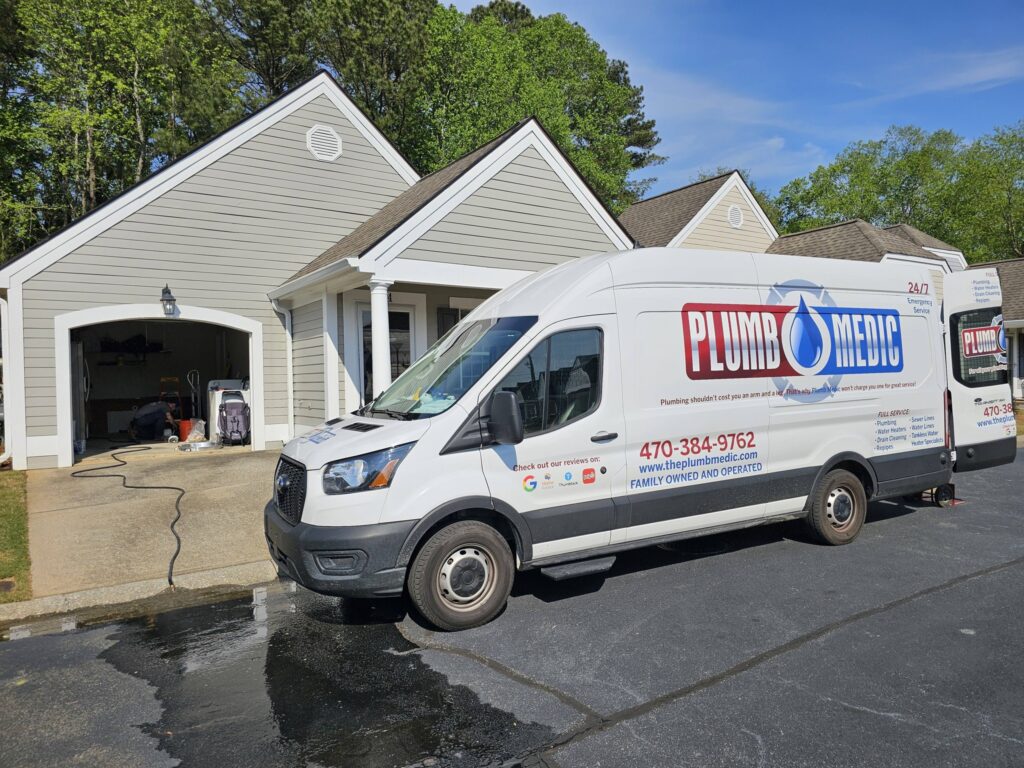
Poor Insulation Causing the Hose Bib to Crack
Walls with little or no insulation expose the hose bib pipe to freezing air. Older homes in the Woodstock area often have thin wall cavities near exterior spigots. Cold air seeps in around the spigot collar and chills the pipe quickly. Once the pipe drops below thirty-two degrees, ice can form in minutes. Adding pipe insulation sleeves helps slow the temperature drop. Foam covers over the spigot itself add another layer of protection.
Air leaks around the hose bib penetration are a common weak spot. Caulk and weatherstripping break down over time and let cold drafts reach the pipe. Inspect the area around the spigot every fall and reseal any gaps. A small tube of exterior caulk costs a few dollars and can prevent a costly repair. Pay attention to corners and joints where siding meets brick or trim. Sealing these gaps also lowers heating bills.
Crawl spaces and unheated basements add to the risk if the supply line runs through them. Pipes in these areas need insulation wrap and sometimes heat tape for extreme cold. Open cabinet doors under sinks on the coldest nights to let warm air reach the pipes. Keep the thermostat above fifty-five degrees even when you are away. These habits keep the whole plumbing system safer during a freeze. A plumber can inspect and recommend the right upgrades for your home.
Old or Worn Hose Bibs Cracking More Easily
Brass and copper get brittle over decades of use. An old hose bib may have small stress fractures already present before winter arrives. The freeze finishes the job and turns a hairline flaw into a full crack. Spigots installed before the mid-1990s are especially likely to fail. Mineral buildup inside the valve also weakens the metal over time. Replacing aging hose bibs before winter is smart preventive maintenance.
Cheap residential-grade spigots fail faster than commercial-grade ones. Builder-installed parts in newer subdivisions sometimes use the lowest-cost option. The valve body, washers, and stem all wear out within ten to fifteen years. Once the internal seal goes, water seeps past it even when the valve is closed. That trapped water is what freezes and splits the pipe. Upgrading to a quality frost-free model pays for itself quickly.
Hard water in parts of Cherokee County speeds up corrosion inside hose bibs. Calcium and other minerals build up on valve seats and weaken the metal. Annual flushing and a water filtration system can extend the life of every fixture in the house. Have a plumber inspect outdoor spigots during routine maintenance visits. Replacing one worn hose bib costs far less than fixing water damage behind a wall. Prevention always beats emergency repair.
Why You Need Professional Hose Bib Repair From Plumb Medic
A cracked hose bib leaking behind the wall is not a DIY repair for most homeowners. The damaged section sits inside the wall cavity and often needs drywall removal to access. Replacing the spigot also requires soldering or pressing new copper fittings on the supply line. Local code in Georgia requires licensed work on any pressurized water line repair. A trained plumber gets the job done right the first time and stands behind the work. Plumb Medic has the tools, parts, and experience to handle the repair quickly.
Fast and Accurate Hose Bib Leak Detection
Finding the exact source of a hidden leak takes the right equipment. Our team uses moisture meters, thermal cameras, and acoustic listening devices. These tools pinpoint the leak without tearing up the entire wall. Smaller access holes mean less drywall repair and lower total cost. Accurate detection also confirms there is only one leak and not several. You get a clear answer in one visit.
We inspect the full supply line from the shutoff valve to the outdoor spigot. Sometimes a winter freeze damages more than one section of pipe. Checking the whole run prevents callbacks and surprises later. The inspection includes the indoor shutoff valve if your home has one. We test water pressure and flow rate at multiple points to verify everything works. You leave with a complete picture of your outdoor plumbing.
Our plumbers also document the damage with photos and notes for insurance claims. Some homeowner policies cover sudden pipe damage even when leaks are excluded. Having professional documentation makes the claim process much smoother. We explain what we found and what the repair will involve in plain terms. There are no surprise charges or upsells. Honest communication is part of how we earn long-term customers.
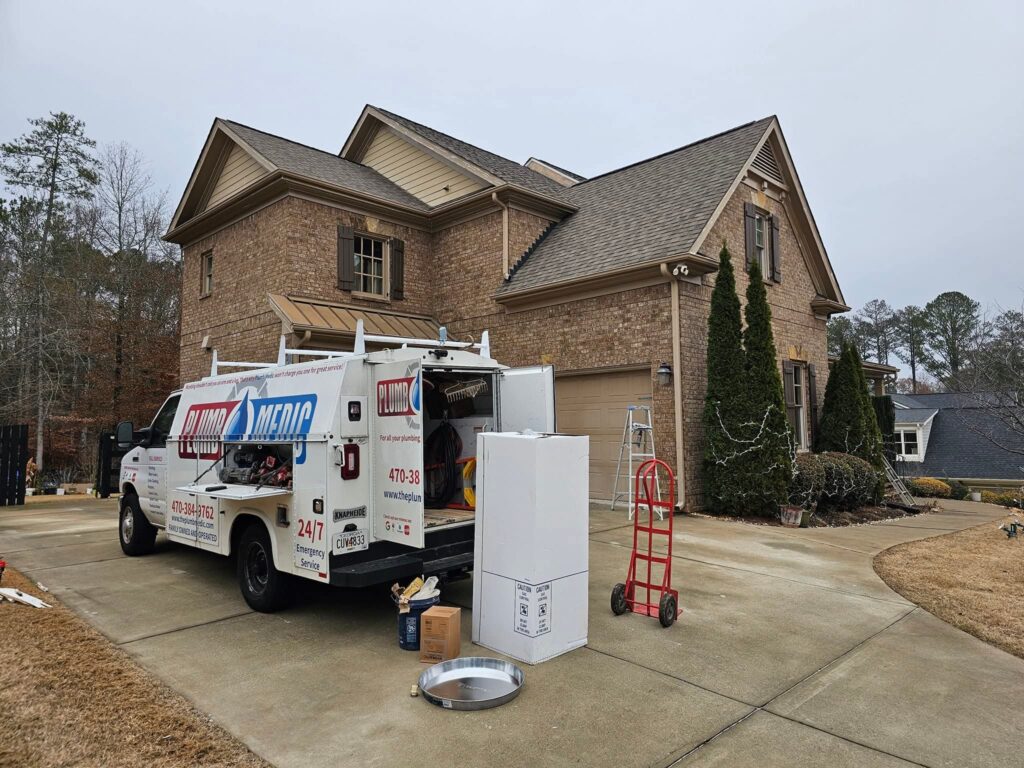
Lasting Hose Bib Repair and Replacement
We replace cracked hose bibs with frost-free models whenever the home layout allows. Frost-free spigots have a long valve stem that shuts off the water inside the heated wall. Water drains out of the exposed pipe section after each use. This design dramatically reduces the risk of winter cracks in the future. The new spigot comes with a manufacturer warranty and our workmanship guarantee. You gain peace of mind through the next cold season.
Our crews carry the parts needed to complete most repairs in one trip. That includes copper pipe, fittings, valves, solder, and the new hose bib itself. Same-day service is often possible for non-emergency calls in the Woodstock area. Emergency calls get top priority any hour of the day or night. We arrive on time and clean up the work area before we leave. Your home stays neat from start to finish.
After the repair we test the new spigot under full pressure to confirm no leaks remain. We also check the indoor shutoff valve if one exists and replace it if needed. The plumber walks you through proper winterization steps for next fall. Simple habits like disconnecting hoses and closing indoor shutoffs prevent repeat damage. You leave the appointment with confidence in your outdoor plumbing. Need help right away? Click here for our leak detection service.
Why Choose Plumb Medic for Your Hose Bib Repair
Plumb Medic has built a strong reputation across Woodstock and the north metro Atlanta area. All of our technicians are fully licensed and experienced in residential plumbing repair. We were named Business Rate’s Best of Woodstock Plumber 2025 for our service quality. Twenty-four-seven emergency plumbing service is available when leaks cannot wait. Our team is also TracPipe and Navien certified for gas and water heater work. You get skilled professionals on every job.
We waive the diagnostic fee when you hire us to complete the repair. Financing is available through Wisetack for larger repairs that need to fit a budget. Military and senior discounts honor those who have served and our older neighbors. Two percent of every service call is donated to Children’s Healthcare of Atlanta to support local families. These values reflect how we want to do business in our community. Helping people is the heart of what we do.
Call Plumb Medic at (470) 384-9762 to schedule your hose bib inspection or repair today. We answer the phone around the clock and dispatch quickly across Cherokee, Cobb, Fulton, and surrounding counties. Email us at office@theplumbmedic.com if you prefer to reach out that way. Our office is located at 225 Creekstone Ridge Suite 19 in Woodstock. Spring is the right time to catch winter damage before it turns into a bigger problem. We look forward to taking care of your home.