
Why Repiping an Older Home Beats Patching Leaks Every Six Months
An older home carries a lot of charm, but the pipes hidden inside the walls rarely age as gracefully as the rest of the house. Many homeowners across Woodstock and the greater Atlanta area find themselves calling a plumber every few months for yet another leak in the very same system. Each repair feels small at the time, so the easy choice is to patch the spot, pay the bill, and move on with the day. The real problem is that recurring leaks almost always point to a deeper issue with the plumbing itself rather than one unlucky section of pipe. When galvanized steel, polybutylene, or aging copper begins to break down, it tends to break down in many places at once. Patching a single leak simply moves the next failure a few feet down the line, and the cycle starts over. Repiping replaces the entire system and ends the slow drain on your wallet, your time, and your peace of mind. This guide explains why repiping an older home is the smarter financial decision for any house that leaks on repeat.
How Repiping an Older Home Solves Problems That Patching Leaks Cannot
Patching a leak treats the symptom, while repiping an older home treats the actual cause. A spot repair stops one drip, yet it does nothing for the dozen other weak points sitting quietly inside the same corroded run of pipe. Homeowners often spend more money over three or four years of repeat repairs than they would have spent on a full repipe done correctly the first time. The hidden costs add up fast, including emergency call fees, water damage cleanup, higher water bills, and the stress of never knowing where the next leak will show up. A whole home repipe removes that uncertainty by giving you a fresh, modern plumbing system from the meter to the fixtures. The sections below break down exactly how repiping outperforms the patch and pray approach in every way that matters to your home and your budget.
Repiping an Older Home Stops the Endless Cycle of Patching Leaks
The single biggest reason homeowners choose repiping is the freedom from the repeating leak cycle that drains both time and money. When a plumber patches one section of an old pipe, the surrounding metal or plastic is usually just as worn as the piece that failed. Water pressure, mineral buildup, and years of temperature swings have already weakened the entire run, so the next leak is rarely far behind. You end up scheduling another visit, cutting another hole in the drywall, and writing another check within a matter of months. Over time those individual repair bills quietly add up to a number that rivals or exceeds the cost of a complete repipe. The patch approach also keeps your home in a constant state of minor crisis, which is exhausting for any family. Repiping breaks that loop in one decisive project rather than dragging it out over years.
A complete repipe also eliminates the guesswork that comes with chasing leaks one at a time. With old plumbing, a plumber can only fix what is visibly failing right now, and the rest of the system stays a mystery until it leaks too. That reactive style of maintenance leaves you waiting for the next surprise, often at the worst possible moment such as a holiday weekend or the middle of the night. New piping installed during a repipe is uniform, properly supported, and built to current code from end to end. You gain a system where every joint, fitting, and length of pipe is the same age and the same quality. That consistency is exactly what gives homeowners real confidence in their plumbing again. Instead of bracing for the next failure, you can simply use your water and forget the pipes are even there.
There is also a strong case to be made for protecting the rest of your home from water damage. Every hidden leak that goes unnoticed behind a wall or under a floor has the chance to grow mold, rot framing, and ruin insulation. The repair bill for a single section of pipe is small compared to the cost of replacing drywall, flooring, and cabinets soaked by a leak you never saw. Repeated patching keeps reopening that risk because the system stays fragile no matter how many spots you fix. A full repipe shuts the door on those slow, destructive leaks before they have a chance to cause structural harm. If you are tired of cutting holes in the same wall over and over, repiping is the path that finally ends it. Need a complete repipe for a leak prone home? Click here for our repiping service.
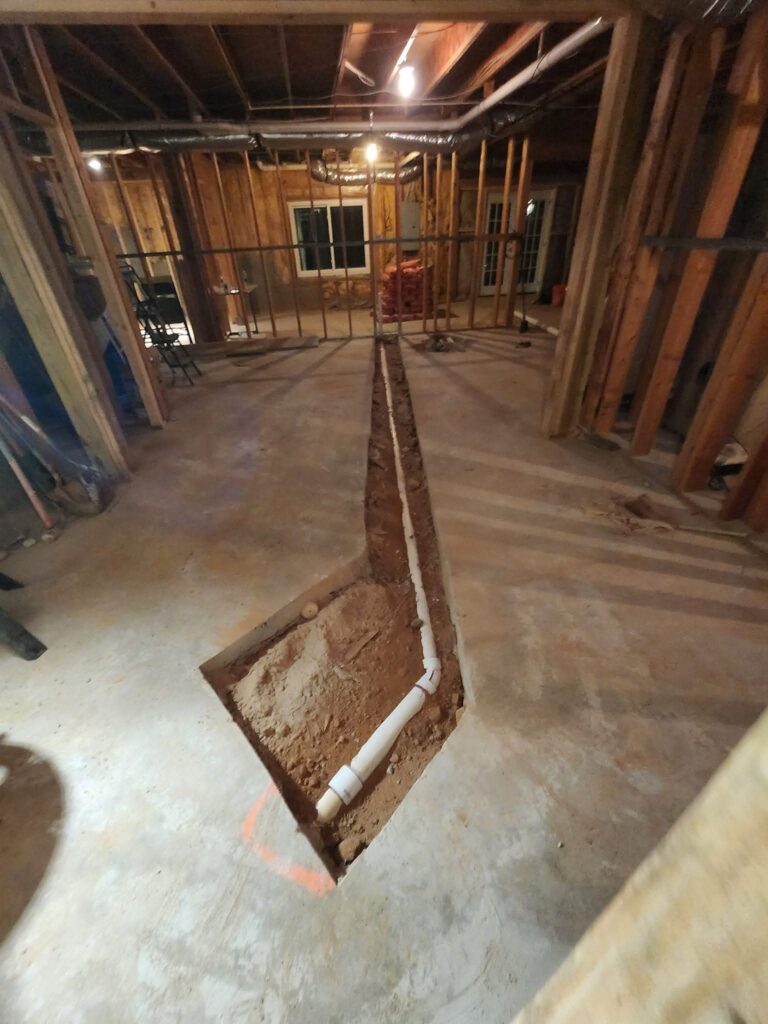
Repiping an Older Home Replaces the Failing Pipe Material Behind Repeat Leaks
Understanding why your home keeps leaking starts with understanding what your pipes are actually made of. Homes built before the 1970s in the Atlanta area often contain galvanized steel piping, which corrodes from the inside out over the decades. As the zinc coating wears away, rust builds up along the interior walls of the pipe and slowly chokes off your water flow. That same corrosion thins the pipe walls until pinholes and full breaks become common across the whole system. Once galvanized steel reaches this stage, no patch can reverse the damage already spreading through every run in the house. Repiping removes that failing material entirely and replaces it with modern piping that does not rust. This is the only true fix for a home plagued by corroded steel lines.
Polybutylene piping is another major culprit found in homes built between the late 1970s and the mid 1990s. This gray plastic pipe was popular for a time because it was cheap and easy to install, but it reacts poorly to the chlorine found in normal municipal water. Over the years the chlorine breaks down the plastic from the inside, causing the pipe to become brittle and crack without warning. Polybutylene failures are notorious for happening suddenly and flooding a home with very little notice. Insurance companies often treat homes with polybutylene as a higher risk, which can affect your coverage and your resale value. Spot repairs on polybutylene are a losing battle because the entire material is degrading at the same rate. Repiping with reliable modern piping is the recommended solution any time polybutylene is found.
Even copper, long considered a premium material, develops problems as it ages in certain water conditions. Acidic water, high mineral content, and decades of use can lead to pinhole leaks that show up across an entire copper system. These tiny leaks are frustrating because they are hard to find and they tend to multiply once they start. A plumber can solder one pinhole, but the same conditions that caused it are still attacking the rest of the copper in your walls. For an aging copper system riddled with pinholes, repiping is usually more cost effective than endless small repairs. The choice of new material matters too, and a licensed plumber can recommend the right option for your water and your home. Curious about the small leaks already hiding in your walls? Click here for our leak detection service.
Repiping an Older Home Protects Your Water Quality and Pressure
Recurring leaks are only part of the story, because aging pipes also quietly ruin the water you drink and bathe in every day. Corroded galvanized steel sheds rust and sediment into your supply, which can leave a metallic taste and a brownish tint in your water. That same buildup narrows the inside of the pipe and steadily reduces the water pressure reaching your faucets and showers. Many homeowners blame the city or their fixtures when the real cause is decades of rust packed inside their own pipes. Repiping clears away all of that contamination by replacing the source of the problem with clean, smooth piping. The result is fresher tasting water and a noticeable return of strong, steady pressure throughout the house. These benefits arrive on top of the leak protection, which makes repiping a true upgrade rather than a simple repair.
Weak water pressure caused by old piping affects far more than your morning shower. Appliances like dishwashers, washing machines, and water heaters all depend on a steady supply to run efficiently and last their full lifespan. When restricted pipes starve those appliances of flow, they work harder, wear out faster, and sometimes fail well ahead of schedule. Low pressure also makes everyday chores slower and more frustrating, from filling a pot to rinsing the dishes. Repiping restores the full flow these systems were designed to receive, which helps your whole household run more smoothly. You protect your appliances and your comfort at the same time. A patch on a single pipe can never deliver that kind of system wide improvement.
Water quality is also a health and comfort issue that deserves serious attention. Sediment and rust in your lines can clog aerators, stain laundry, and leave deposits on fixtures and glassware. In homes with very old or degraded piping, that ongoing contamination is a daily nuisance that no air freshener or cleaning product can solve. Repiping gives you a clean slate, and it pairs well with other upgrades that improve the water entering your home. Many homeowners choose to add filtration at the same time to get the very best results. A licensed plumber can walk you through how repiping and water treatment work together. Want cleaner water throughout your home? Click here for our water filtration systems.
What to Expect When Repiping an Older Home in Georgia
A full repipe sounds like a major undertaking, and the honest answer is that it is a real project, but a well run repipe is far less disruptive than most homeowners expect. A skilled plumbing crew plans the work carefully, protects your floors and furniture, and keeps the open areas of drywall to a minimum. Most homes can be repiped in a few days, and many families stay in the house the entire time. Knowing what happens at each stage takes the fear out of the process and helps you prepare with confidence. The sections below walk through the inspection, the materials, and the timeline so you understand exactly what your investment buys. A clear plan from a trusted local plumber turns a big job into a smooth and predictable experience.
The Repiping an Older Home Inspection and Planning Process
Every quality repipe begins with a thorough inspection of your existing plumbing system. A licensed plumber will identify the type of pipe in your home, trace the layout of the supply lines, and locate the spots where leaks have been showing up. This step matters because the inspection reveals the true condition of the system and confirms that repiping is the right call. The plumber also checks your water pressure, your fixtures, and your water heater connections to plan the new layout properly. A careful inspection prevents surprises later and ensures the new system is sized correctly for your household. You should expect clear answers about what is failing and why a full repipe makes more sense than another round of patches. This honest assessment is the foundation of an ethical and accurate estimate.
Planning the new pipe route is the next important step in the process. The plumber maps the most efficient path for the new lines, aiming to limit the number of access points cut into your walls and ceilings. Good planning protects your home and keeps the repair work neat and easy to patch when the project wraps up. The crew will also coordinate where to shut off water and how to keep your household functioning during the work. A detailed plan lets you see the scope of the job before any pipe is touched, which builds trust and removes uncertainty. You will know which rooms are affected and roughly when each part of the home will be back in service. This level of preparation separates a professional repipe from a rushed and messy one.
Communication during the planning stage is just as important as the technical work. A reputable plumber explains the timeline, the cost, the materials, and the cleanup process in plain language you can actually follow. You should never feel pressured or left in the dark about what is happening in your own home. Clear expectations let you arrange your schedule, protect valuables, and plan around the few days of activity. The best crews treat your home with respect and keep you updated as the project moves forward. When the planning is done right, the actual installation feels organized and calm rather than chaotic. That careful approach is exactly what Plumb Medic brings to every repipe job in the Woodstock area.
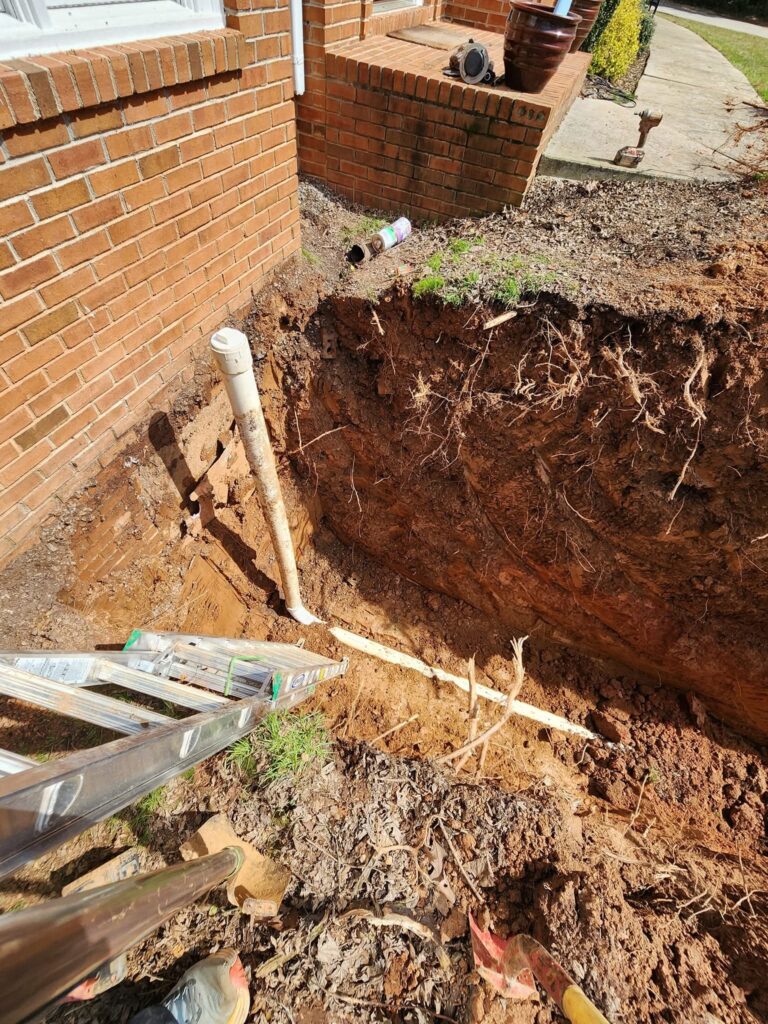
The Materials Used When Repiping an Older Home
Choosing the right material is one of the most important decisions in any repipe project. The two most common modern options are PEX and copper, and each has clear strengths depending on the home. PEX is a flexible plastic piping that resists corrosion, handles temperature swings well, and installs with fewer fittings than rigid pipe. Its flexibility means crews can route it through walls with less cutting, which keeps the project cleaner and often less expensive. PEX also resists the mineral buildup that plagued the old galvanized systems it usually replaces. For many Georgia homes, PEX delivers a reliable, long lasting result at a reasonable cost. A licensed plumber can confirm that PEX is approved for your specific application and water conditions.
Copper remains a respected choice and is often selected for its durability and proven track record. It stands up well to heat, it does not allow oxygen to pass through the pipe walls, and it has decades of reliable use behind it. Copper is more expensive than PEX and takes more labor to install because every joint must be soldered. In homes with certain water chemistry, copper can still be vulnerable to pinhole leaks, so it is not automatically the right pick everywhere. A good plumber weighs your water quality, your budget, and your long term goals before recommending one material over another. The point is that the choice should fit your home rather than a one size fits all sales pitch. Honest guidance on materials is a sign you are working with the right company.
The quality of the fittings and the workmanship matters just as much as the pipe itself. A repipe is only as strong as its weakest connection, so proper installation technique is essential for a leak free result. Skilled crews support the new piping correctly, protect it from sharp bends, and test the entire system under pressure before closing the walls. Cutting corners on fittings or installation invites the very leaks the repipe was meant to prevent. This is exactly why repiping is not a do it yourself weekend job for most homeowners. A licensed and experienced team gives you a system built to last for decades. Pairing fresh supply lines with quality fixtures keeps the whole system performing at its best for years to come.
The Timeline and Cost of Repiping an Older Home
Most homeowners want to know two things up front, which are how long the project takes and how much it costs. A typical single family home repipe takes anywhere from two to several days, depending on the size of the house and the complexity of the layout. Smaller homes with accessible piping move faster, while larger homes with finished basements or multiple stories take a bit longer. A good crew works efficiently and keeps your water shut off for the shortest time possible during the active work. Many families are surprised at how quickly a professional team can complete a full repipe. The disruption is real but temporary, and the payoff lasts for decades. Knowing the timeline up front helps you plan the few days of work around your schedule.
Cost depends on several factors, including the size of the home, the chosen material, the number of fixtures, and the difficulty of accessing the existing pipes. While a full repipe is a larger upfront investment than a single patch, it almost always costs less than years of repeated emergency repairs. Spot fixes pile up quietly, and the water damage from a missed leak can dwarf the price of the original repair. A clear written estimate lets you compare the true cost of repiping against the running tab of constant patching. Financing options also make a full repipe far more manageable for many households. Plumb Medic offers financing through Wisetack so you can fix the problem now and pay over time. That flexibility puts a permanent solution within reach for more families.
It also helps to think about value rather than price alone. A repipe protects your home from water damage, improves your water quality, restores your pressure, and removes the stress of recurring leaks. Those benefits do not show up on a single invoice, but they add real comfort and protection to your daily life. A new plumbing system can also boost your home value and reassure future buyers and insurers. When you add up the savings on repairs, the protection from damage, and the everyday improvements, the math favors repiping. The goal is a system that simply works, year after year, without surprises. A trusted local plumber can give you a transparent estimate so you can make the choice with full information.
Why You Need a Licensed Plumber for Repiping an Older Home
Repiping an older home is a job that demands real skill, proper permits, and a deep understanding of local plumbing code. This is not the kind of project to hand to an unlicensed handyman or to attempt alone over a weekend. A licensed plumber protects your home, your family, and your investment by doing the work correctly the first time. The right professional brings the experience to choose the proper materials, route the lines efficiently, and pass every required inspection. Cutting corners on a repipe can lead to leaks, code violations, and costly damage down the road. Choosing the right team is the single most important decision in the entire project.
A Licensed Plumber Makes Repiping an Older Home Safe and Code Compliant
Local plumbing codes exist to keep your water safe and your home protected, and a licensed plumber knows those codes inside and out. A proper repipe must meet standards for materials, pipe sizing, fittings, and supports, and inspectors check that work before it is approved. An unlicensed installer may not know the current requirements, which puts your home at risk of failed inspections and future problems. A licensed professional pulls the right permits and schedules the inspections so everything is documented and legal. That paper trail matters when you sell your home or file an insurance claim. Working with a licensed plumber gives you the assurance that your new system is built right.
Safety is another reason to trust a licensed professional with your repipe. Plumbing connects to your water heater, your gas appliances, and the structure of your home in ways that demand care and knowledge. A mistake during a repipe can lead to leaks inside walls, water damage, or pressure problems that cause more harm than the original issue. A trained plumber knows how to test the new system thoroughly before closing everything up. That careful testing catches problems while they are still easy to fix. The result is a system you can trust completely from the very first day.
Experience also shows up in the quality of the finished work. A seasoned crew leaves your home clean, patches access points neatly, and treats your property with respect throughout the job. They handle the unexpected with ease, because they have repiped many homes and seen the surprises that older houses tend to hide. That experience translates into fewer delays, cleaner results, and a smoother project from start to finish. Plumb Medic technicians are fully licensed and experienced, which is exactly what a repipe requires. You deserve a team that takes pride in doing the job the right way.
A Licensed Plumber Saves You Money When Repiping an Older Home
It may seem like hiring a licensed plumber costs more up front, but the right professional saves you money over the life of the project. A repipe done correctly the first time avoids the repeat repairs, callbacks, and water damage that come from sloppy work. Cheap installations often leak within a few years, which erases any savings from choosing the lowest bidder. A licensed plumber stands behind the work and uses materials and methods built to last. That reliability is the real value behind a professional repipe. Spending wisely on the front end protects you from far larger expenses later.
A skilled plumber also helps you avoid unnecessary work and overspending. Through an honest inspection, the right professional confirms whether a repipe is truly needed and recommends the most cost effective material for your home. You avoid paying for upgrades you do not need and gain the upgrades that actually protect your house. That kind of straight talk is the heart of working with an ethical company. Plumb Medic even waives the diagnostic fee when we handle the repair, which keeps more money in your pocket. Transparent pricing means no surprises on the final bill.
Smart financing makes a permanent fix affordable for more families. Instead of bleeding money on a leak every six months, you can solve the problem once and spread the cost over manageable payments. Plumb Medic offers financing through Wisetack along with military and senior discounts to help local families. Those options turn a daunting project into a practical decision. A repipe that ends the repair cycle frees up money you were quietly losing to constant patching. Over time, the savings make the choice an easy one.
Why Choose Plumb Medic for Repiping an Older Home
Plumb Medic is proud to serve Woodstock and the surrounding Atlanta communities with honest, skilled plumbing work. Our technicians are fully licensed and experienced, and we hold TracPipe and Navien certifications that reflect our commitment to quality. We were also honored as Business Rate’s Best of Woodstock Plumber for 2025, a recognition earned through reliable service and fair treatment of our customers. We believe in clear communication, accurate estimates, and treating your home as if it were our own. That ethos guides every repipe we complete. When you call us, you get a team that genuinely cares about doing right by your family.
We make the repipe process as smooth and stress free as possible for every homeowner. We offer financing through Wisetack, waived diagnostic fees when we handle the repair, and discounts for military members and seniors. We also provide 24/7 emergency plumbing service, so you are never left stranded when a pipe gives out at a bad hour. Our commitment to the community runs deep, and we donate two percent of our service calls to Children’s Healthcare of Atlanta to support local families. Choosing Plumb Medic means choosing a company invested in the place you call home. We aim to earn your trust on the first visit and keep it for years to come.
When the leaks keep coming back, repiping your older home is the lasting answer that ends the cycle for good. Our team will inspect your system, explain your options in plain language, and deliver a clean, code compliant repipe built to last. Ready to stop patching the same pipes every six months and fix the problem once? Click here for our repiping service and let us show you the smarter path. You can reach the Plumb Medic office at (470) 384-9762 to schedule your inspection or ask any questions about repiping your home. Call today and put an end to the endless leak repairs for good.