
How to Spot a Failing Gas Line Before You Smell Anything
Natural gas powers some of the hardest working appliances in your home, from the water heater to the range to the furnace. Most people learn to trust their nose as the first line of defense, since gas companies add a rotten egg odor to an otherwise scentless fuel. That smell is real protection, yet it is not the only warning sign, and it is not always reliable. A slow leak underground, a corroded fitting behind an appliance, or a cracked connector can release gas in ways your nose may miss for days. Carbon monoxide, a separate and deadly byproduct of burning gas, carries no smell at all. Learning the visual, audible, and physical clues of a failing gas line gives you a head start that scent alone cannot. This guide from Plumb Medic walks you through what to watch for, why the smell can fade, and when to bring in a licensed plumber.
Early Warning Signs of a Failing Gas Line You Can See and Hear
A failing gas line rarely breaks all at once. It usually begins with small clues that build over weeks or months, long before the leak grows large enough to fill a room with odor. Your eyes and ears can catch many of these signals if you know where to look and what to listen for. Corrosion, hissing, discolored flames, and rising gas bills all point toward trouble somewhere in the system. None of these signs guarantees a leak on its own, yet together they paint a clear picture. The sooner you connect the dots, the safer and cheaper the repair tends to be. Below are the most common warning signs grouped by how you are most likely to notice them.
Visible Warning Signs of a Failing Gas Line
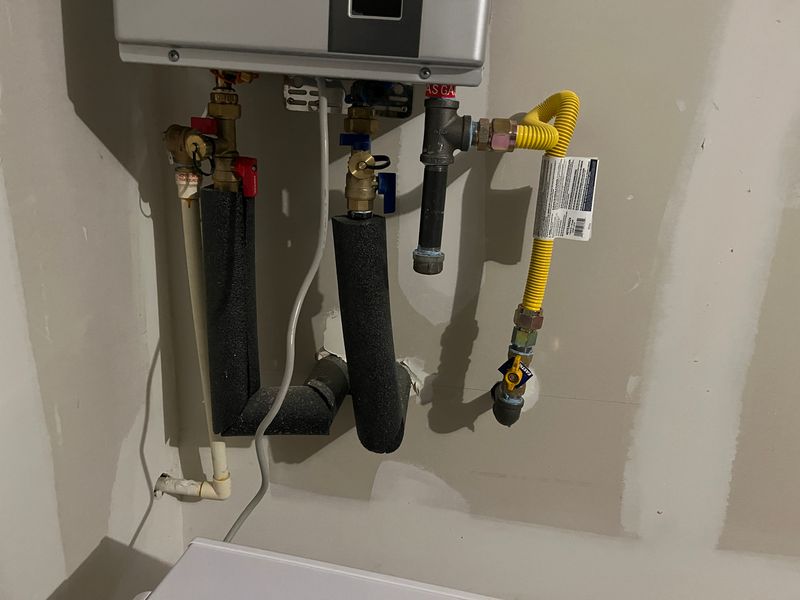
The most obvious visible clues live on the parts of your gas system you can actually see. Exposed black iron pipe, flexible connectors, and the fittings behind appliances all show their age over time. Look for rust, flaking metal, white or green powder on brass fittings, and any spot where the pipe surface looks pitted or scaled. Moisture and humidity speed up this corrosion, and a corroded joint is a weak point that can crack or loosen. Pipes that have been bumped, kinked, or bent during a remodel are also prime suspects. If a connector behind your range or dryer looks brittle, frayed, or stretched, treat it as a problem worth investigating. Even a thin film of soot on the wall above a gas appliance can hint that the unit is not burning fuel cleanly. Document anything that looks off with a photo so a technician can review the history later.
Buried gas lines hide their problems underground, but the surface above them often tells the story. Watch for patches of grass or plants that turn brown, wilt, or die in a line or circle while the surrounding lawn stays green. Escaping gas starves the soil and roots, and that dead zone tends to follow the path of the pipe. Standing water that bubbles for no clear reason can mark a spot where gas is rising through the ground. You may also see dirt, dust, or small debris that appears to be blowing or dancing above a fixed point on the lawn. After heavy rain, a small steady stream of bubbles in a puddle deserves a closer look. These outdoor signs matter most for homeowners on propane or those with gas lines running to a pool heater, fire pit, or outdoor kitchen.
Your gas bill is a paper trail that can expose a leak you never saw or heard. Compare recent statements against the same months from the prior year, and account for any new appliances or weather swings. A steady climb in usage with no change in habits often signals gas escaping somewhere between the meter and your appliances. Even a small leak wastes fuel every hour of every day, and the cost adds up quietly. Pair an unexplained bill spike with any of the visual clues above, and the case for an inspection grows stronger. Keep in mind that summer bills can rise from pool heaters and outdoor grilling lines, so factor those in before you panic. When the numbers still do not add up, a professional pressure test can settle the question for good.
Sounds That Signal a Failing Gas Line
Sound is one of the most reliable early warnings, and it often arrives before any odor. A hissing, whistling, or roaring noise near a pipe, meter, or appliance connection usually means gas is forcing its way through a gap. The pitch depends on the size of the opening and the pressure behind it, so a tiny pinhole can whistle while a larger crack may roar. Stand quietly in the room with appliances off and listen near the floor, since both natural gas and propane move differently through still air. If you hear a faint hiss that does not stop when every appliance is shut down, the line itself is the likely source. Do not use any switches, lighters, or phones near a strong hiss, because a spark can ignite escaping gas. Step outside and call for help once you confirm the sound.
The sounds your appliances make while running can also point to a failing gas line or a starved supply. A furnace, water heater, or range that struggles to ignite may be receiving uneven pressure from a compromised line. Repeated clicking from an igniter that cannot catch a flame is worth noting, especially when it used to light on the first try. A burner that flares, pops, or makes a small whoosh when it finally lights can signal gas pooling before ignition. Tankless water heaters from brands such as Navien rely on steady gas flow, and pressure drops can trip error codes or cause short cycling. When two or more gas appliances act up at the same time, suspect the shared line rather than each unit. A licensed plumber can measure pressure at several points to find the weak link.
Listening takes practice, and background noise in a busy home can mask a subtle leak. Try checking late at night or early in the morning when the house is calm and quiet. Run a quick listen near the meter, along any exposed basement or crawl space piping, and behind the stove and dryer. A simple soap and water solution brushed over a suspected joint will bubble where gas escapes, which gives your ears a visual backup. Keep your phone in another room while you test, and never lean in close with a flame. If bubbling or hissing shows up, shut the gas off at the appliance valve if you can reach it safely. Then make the call to a professional rather than guessing at the fix.
Appliance Clues That Point to a Failing Gas Line
The flames on your gas appliances are a live readout of how well the system is working. A healthy burner produces a crisp blue flame that holds its shape and burns steady. A flame that turns yellow, orange, or lazy points to incomplete combustion, which can stem from gas supply problems, a dirty burner, or poor airflow. Incomplete combustion is dangerous because it produces more carbon monoxide than a clean blue flame. Check the burners on your range, the pilot or burner in your water heater, and the flame in your furnace when it runs. Flickering, dancing, or flames that lift off the burner all deserve attention. Snap a photo or video so a technician can see exactly what you saw.
Pilot lights and igniters tell their own story about gas pressure and line health. A pilot light that keeps going out, even after you relight it correctly, can signal a pressure issue upstream. Soot, black scorch marks, or excessive condensation on or around an appliance are red flags for poor combustion tied to gas flow. Appliances that take longer than usual to heat water, warm the house, or boil a pot may be running on a starved supply. A faint chemical or sulfur scent near one appliance, even when the rest of the house smells normal, points to a localized leak. Rust or moisture on top of a water heater can also reflect combustion problems below. Track which appliances misbehave and when, because patterns help a plumber zero in fast.
Your own body can serve as a warning system when a gas problem is brewing. Headaches, dizziness, nausea, fatigue, or a foggy feeling that improves when you leave the house can signal carbon monoxide or low oxygen from a leak. Pets acting sluggish or unwell before people notice anything is another quiet clue worth respecting. These symptoms are easy to blame on a long day, yet they matter when several people or animals feel them at once in the same space. Install carbon monoxide detectors on every level of your home and test them regularly. If symptoms hit hard or fast, leave the house immediately and call for help from outside. Health signals like these always outrank convenience, so treat them seriously every time. Worried about a hidden gas leak you cannot pin down? Click here for our leak detection service.
Why a Failing Gas Line Does Not Always Smell Like Gas
Most homeowners assume they will always smell a gas leak, but that trust can be misplaced. The rotten egg odor comes from an additive called mercaptan, not from the gas itself, since natural gas and propane are scentless on their own. That additive can fade, settle, or get filtered out before it reaches your nose. Your sense of smell also tires quickly, so a steady low level leak can become invisible to you within minutes. Carbon monoxide, the deadly product of incomplete combustion, has no odor whatsoever. Understanding these gaps explains why the visible and audible signs above matter so much. The next sections break down the specific reasons a dangerous leak can slip past your nose.
How Odor Fade Hides a Failing Gas Line
Odor fade is a real phenomenon that the gas industry studies closely. Mercaptan, the chemical that gives gas its rotten egg smell, can chemically react or get absorbed before it ever reaches your living space. New steel pipe, rust, and certain soils can strip the odorant out of the gas as it travels. A leak underground may lose much of its scent by the time the gas surfaces inside your home. This means a serious buried leak can smell faint or carry no warning odor at all. Older homes with long runs of pipe face higher odds of odor fade along the way. Relying on smell alone leaves a dangerous blind spot that the other warning signs help cover.
Your nose is not built for constant monitoring, and that works against you during a slow leak. Olfactory fatigue sets in fast, which means you stop noticing a smell after a short time of exposure. Someone walking in from outside might catch an odor that you, sitting inside for hours, no longer register. Age, allergies, colds, and certain medications all dull the sense of smell as well. Smokers and people with sinus issues may miss a leak that others detect easily. A home with strong cooking odors or scented candles can also mask the warning smell. Because of these limits, a working gas detector adds a layer of protection that your nose cannot match.
Propane behaves differently from natural gas, and that changes how leaks present. Propane is heavier than air, so it sinks and pools in low spots like basements, crawl spaces, and floor level corners. Natural gas is lighter than air and tends to rise toward ceilings and vent upward. A pool of propane in a basement can sit below your nose level while still posing a serious ignition risk. The odorant in propane can also settle out as the gas pools, weakening the smell where it gathers. Homeowners on rural propane systems should pay special attention to low areas and storage tank connections. Knowing how your fuel moves helps you check the right places instead of trusting a single sniff test.
Carbon Monoxide and the Silent Side of a Failing Gas Line
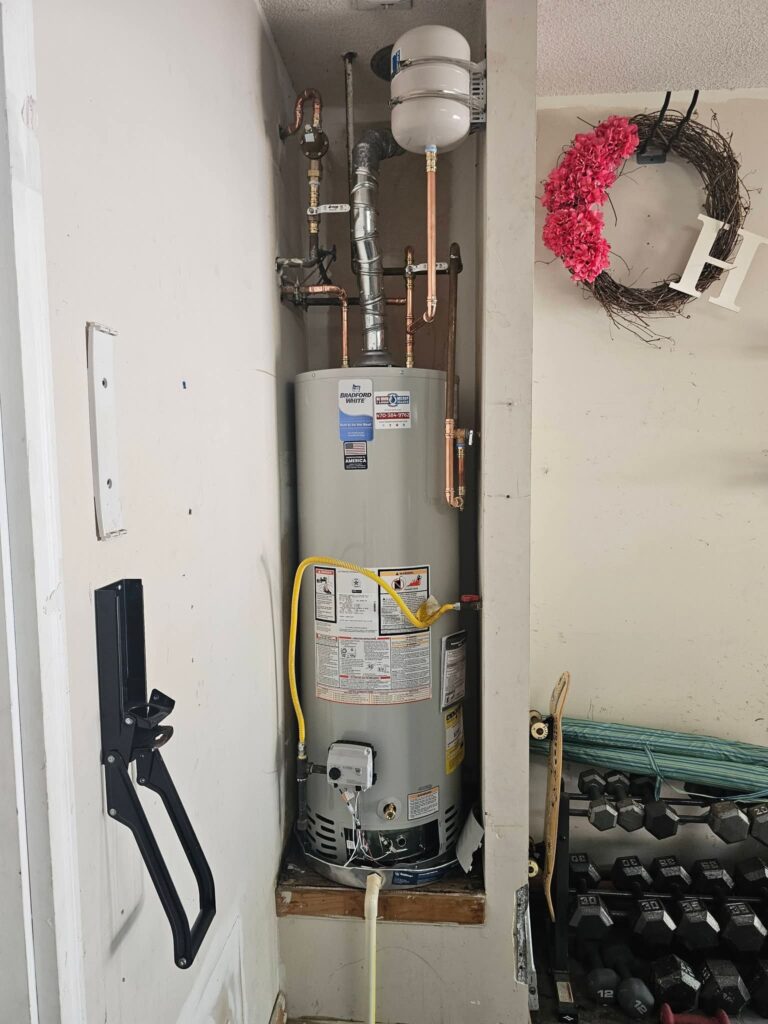
Carbon monoxide is the most dangerous hidden product of a gas problem, and it carries no smell, color, or taste. It forms when fuel burns without enough oxygen, which happens with a starved gas supply, a blocked vent, or a struggling appliance. A failing gas line can throw off the air to fuel balance and push an appliance into producing more carbon monoxide. Because the gas is undetectable by human senses, it can build to harmful levels while everyone in the home feels fine at first. Symptoms mimic the flu and include headache, dizziness, weakness, and confusion. High exposure can cause loss of consciousness and worse, which is why this gas earns its grim reputation. Every home that burns gas needs working carbon monoxide alarms, full stop.
Detectors are your strongest defense against the silent threats a failing gas line can create. Install carbon monoxide alarms near sleeping areas and on every level of the home, following the manufacturer instructions. Replace the units on schedule, since the sensors wear out long before the housing looks old. Combination alarms that sense both smoke and carbon monoxide simplify coverage in smaller homes. Test the batteries monthly and keep a calendar reminder for full replacement. Natural gas detectors are also available for homes that want an extra layer near appliances. A small investment in quality alarms protects against threats your body would otherwise never see coming.
Knowing how to respond turns detection into real safety. If a carbon monoxide alarm sounds, get everyone outside into fresh air right away and count heads. Do not stop to open windows or hunt for the source, because every minute of exposure raises the risk. Call emergency services from outside and stay out until professionals clear the home. If you suspect a gas leak instead, avoid flipping switches, lighting flames, or using anything that can spark. Leave the door open behind you and shut off the main gas valve only if you can reach it safely on the way out. A clear plan practiced ahead of time keeps a scary moment from turning into a tragedy. Smell gas or hear a hiss you cannot explain? Click here for our gas line repair service.
Outdoor and Buried Failing Gas Line Signs
The gas line that feeds your home runs underground, and that buried stretch fails in quiet ways. Watch your yard for the dead grass patches, bubbling puddles, and blowing dust described earlier, since these are often the only surface clues. Construction, landscaping, and tree roots can all damage a buried line over time. Shifting soil after heavy summer storms can stress old fittings and joints. A faint sulfur smell that lingers outdoors near the meter or tank deserves the same respect as an indoor odor. If you plan any digging, call 811 first so utilities mark their lines and you avoid a dangerous strike. Buried problems rarely fix themselves, so early notice prevents a small leak from becoming a big one.
Summer brings extra gas line use that many homeowners overlook. Pool heaters, outdoor kitchens, fire pits, and gas grills all tap into the same system that feeds the house. These outdoor connections sit exposed to weather, sun, and physical bumps that indoor lines never face. Check exposed couplings and quick connect fittings for corrosion before you fire up the grill for the season. A connector that has baked in the sun for years can crack or harden without warning. Keep the area around outdoor gas appliances clear of clutter and flammable materials. Seasonal use is the perfect time to give these lines a quick visual once over.
Corrugated stainless steel tubing, often called CSST, is common in many newer homes and carries its own outdoor concern. This flexible piping must be bonded and grounded correctly to protect against damage from nearby lightning strikes. A strike can arc to ungrounded tubing and burn a pinhole that leaks gas, which makes proper bonding a true safety issue. Plumb Medic is certified to install and service TracPipe, a leading brand of this tubing, so the work meets code and protects your home. Summer thunderstorms across Georgia make this protection especially important. If your home has CSST and you are unsure about its grounding, have a licensed plumber verify it. Correct installation today prevents a frightening surprise during the next storm.
Why You Need Professional Gas Line Inspection and Repair
Gas work sits at the top of the list for repairs that should never be a guessing game. The right tools, training, and code knowledge separate a safe fix from a serious hazard. A licensed plumber can pressure test the system, pinpoint the exact failure point, and repair or replace the line to code. Catching a failing gas line early protects your family, your home, and your wallet from a far larger problem. Plumb Medic brings the certifications and experience to handle gas line issues the right way. The sections below explain when to call, how detection works, and why local homeowners trust our team.
When to Call for Gas Line Repair
Some signs call for an immediate response with no delay. A strong gas odor, a loud hiss, or a sounding carbon monoxide alarm means everyone leaves the home and calls for help from outside. Do not investigate, do not flip switches, and do not light anything. These moments are emergencies, and Plumb Medic offers 24/7 emergency plumbing service for exactly this reason. Trusting a professional in these situations is the safest choice you can make. Time and calm action matter most when gas is involved.
Other situations are less urgent but still deserve a prompt call. A slow climb in your gas bill, a yellow burner flame, repeated pilot light failures, or dead grass over a buried line all warrant an inspection. New appliance installs and home remodels are also smart times to have the gas system checked. Buying or selling a home is another moment when a professional gas line inspection pays off. A quick visit can confirm everything is sound or catch a small issue before it grows. Acting on these milder signs keeps minor problems from turning into emergencies.
Routine attention keeps your gas system reliable for the long run. Have exposed lines, connectors, and appliance valves inspected during regular plumbing maintenance. Replace aging flexible connectors before they crack, and keep an eye on any tubing that shows wear. If you are adding a gas appliance, a pool heater, or an outdoor kitchen, professional installation protects the whole system. Need a new line run safely and to code? Click here for our gas line installation service. Steady upkeep today saves money and stress down the road.
How Professional Leak Detection Finds a Failing Gas Line
Professional leak detection goes far beyond a quick sniff or a glance. A licensed plumber uses calibrated electronic gas detectors that sense tiny concentrations your nose would miss. Pressure testing isolates sections of pipe and watches for any drop that reveals a hidden leak. Soap solution testing confirms the exact joint or fitting that is failing. These methods locate the problem precisely so the repair targets the real cause. Guesswork gets replaced with hard evidence and a clear plan.
The tools matter, but the trained eye behind them matters more. Experienced technicians know the failure points that come up again and again in local homes. They check the meter, the regulator, every appliance connection, and the buried service line. They also verify that CSST and other piping is bonded and grounded to code. This thorough approach catches problems that a single test might miss. The result is a system you can trust, backed by people who do this every day.
Detection and repair work best as one smooth process. Once the failing section is found, the plumber explains the issue in plain terms and lays out the fix. Plumb Medic waives the diagnostic fee when you let the team handle the repair, so the inspection works in your favor. Financing through Wisetack is available when a larger repair or replacement is needed. The goal is a safe, code compliant gas system with no lingering doubt. Clear answers and honest pricing make the whole process easier to trust.
Why Choose Plumb Medic for Gas Line Service
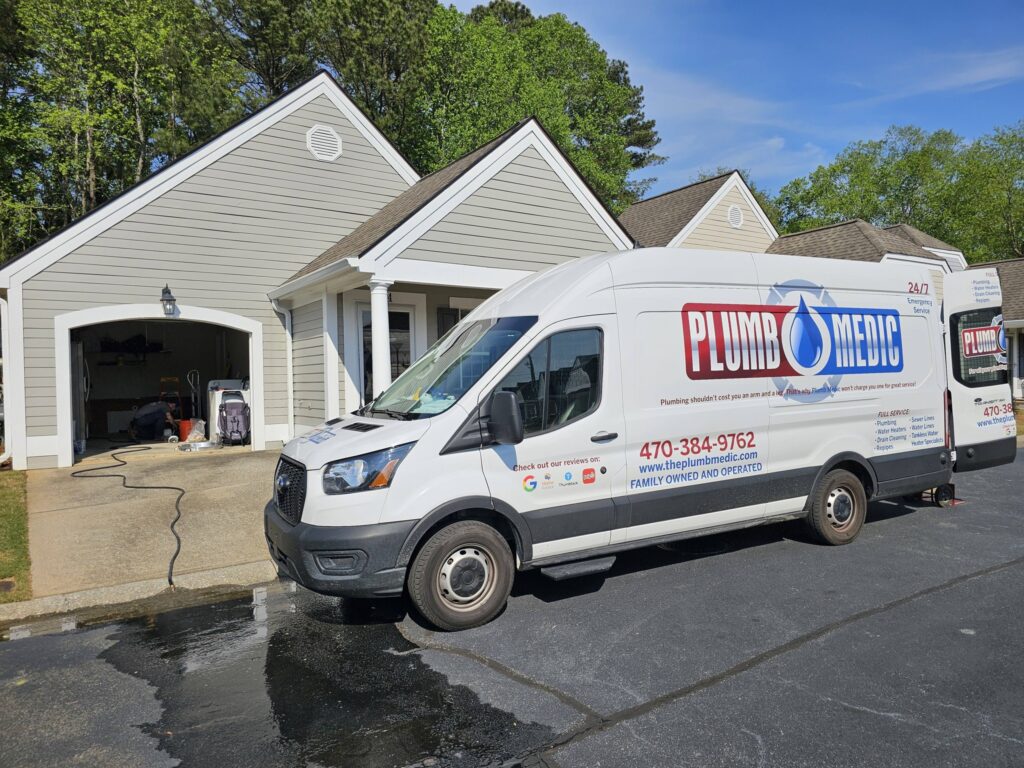
Plumb Medic brings licensed, experienced technicians to every gas line call. The team is TracPipe and Navien certified, which means specialized training on the exact systems many local homes rely on. That certification matters for safe CSST work and dependable tankless water heater service. Customers across the area named the company Business Rate’s Best of Woodstock Plumber for 2025. That recognition reflects steady, careful work and honest treatment of every homeowner. Gas safety is not the place to cut corners, and this team treats it that way.
Service should be convenient and fair, and Plumb Medic builds that into every visit. Emergency help is available 24/7, so a midnight gas scare never goes unanswered. The diagnostic fee is waived when the team handles the repair, which keeps surprises off your bill. Military and senior discounts are available as a thank you to those who have earned them. Financing through Wisetack makes larger repairs manageable for any budget. These touches turn a stressful situation into a smooth experience.
Choosing a local company that gives back is a choice you can feel good about. Plumb Medic donates 2% of service calls to Children’s Healthcare of Atlanta to support local families. Serving Woodstock and the surrounding communities means the team knows the homes, the soil, and the seasonal demands of the region. From a faint hiss to a full gas line replacement, the crew handles each job with care and clear communication. Spot a sign of a failing gas line and want a professional to take a look? Call Plumb Medic today at (470) 384-9762 and protect your home before a small leak becomes a big danger.