
Why Your Water Heater Is Making Popping Sounds and What Sediment Has to Do With It
A popping sound from your water heater can feel alarming, especially when it starts without warning. That noise almost always points to one common problem, and that problem is sediment. Over time, minerals settle at the bottom of your tank and harden into a thick layer. When the burner heats the tank, water gets trapped under that layer and turns to steam, which forces its way up and creates the popping you hear. The good news is that this issue is usually fixable when you catch it early. Ignoring it, however, can shorten the life of your unit and raise your energy bills. This guide explains why your water heater makes popping sounds, what sediment has to do with it, and how to stop the problem before it gets worse. By the end, you will know when a simple flush solves the issue and when it is time to call a licensed plumber.
What Causes Water Heater Popping Sounds From Sediment Buildup
Water heater popping sounds rarely happen on their own. They are a symptom of a buildup that has been forming inside your tank for months or even years. Most homes deal with some level of mineral content in their water, and those minerals do not simply disappear. Instead, they sink to the bottom of the tank and collect into a hardened crust. As the layer thickens, it changes how your water heater behaves and how it sounds. Understanding the cause helps you decide on the right fix. The sections below break down exactly what is happening inside your tank.
How Sediment Creates Water Heater Popping Sounds
Sediment is made up of tiny mineral particles that travel with your water supply. Calcium and magnesium are the two most common minerals found in this buildup. When water sits in the tank and heats up, these minerals separate and drop to the bottom. Over time they pile up and bake into a crusty layer along the base of the tank. This layer sits directly above the burner in a gas water heater. The burner keeps heating that spot, but the heat now has to pass through the mineral crust first. That trapped heat is the starting point for the popping sounds you hear.
The popping itself comes from water that gets caught beneath the sediment layer. As the burner fires, the trapped water heats far past its normal boiling point. It turns to steam and forms bubbles under the crust. Those steam bubbles need somewhere to go, so they push and force their way up through the sediment. Each bubble that breaks free makes a popping or rumbling sound. The thicker the sediment, the louder and more frequent the noise becomes. This is why a quiet tank can slowly grow noisy over several seasons.
Electric water heaters experience a slightly different version of the same problem. Instead of a bottom burner, they use heating elements that sit inside the tank. Sediment can bury the lower element completely, which forces it to work harder and run hotter. That extra strain can cause the element to overheat and fail early. You may still hear popping or sizzling as water boils against the buried element. In both gas and electric models, the root cause traces back to the same mineral buildup. The sound is your water heater telling you that sediment has reached a level worth addressing.
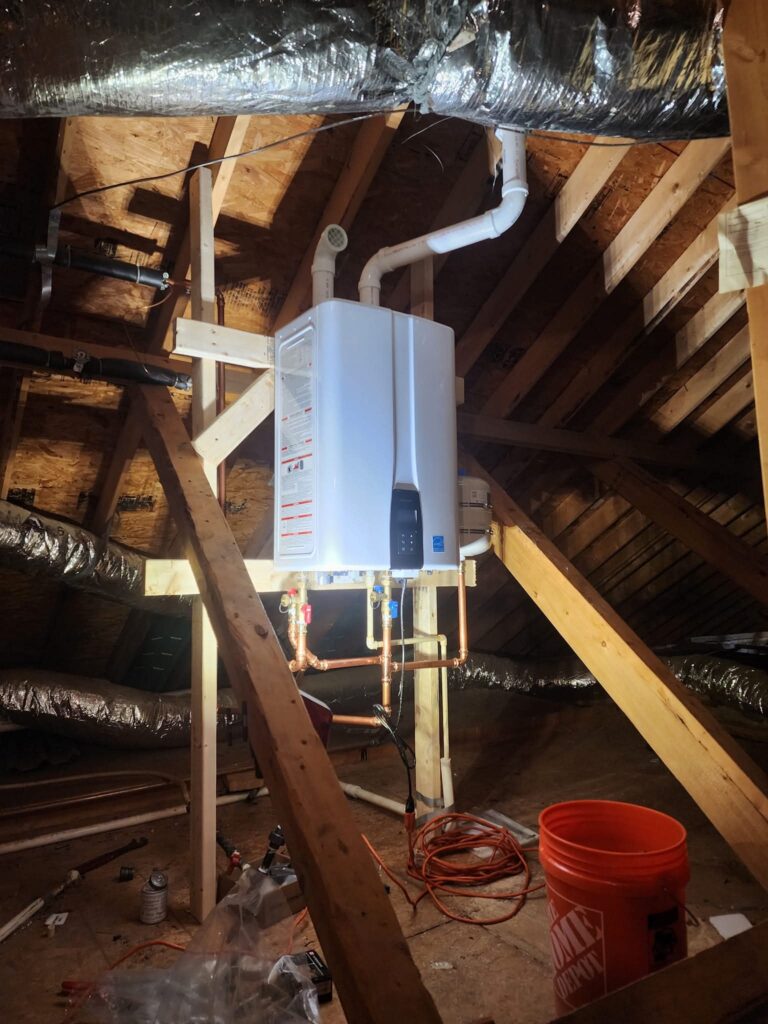
The Hard Water Link Behind Water Heater Popping Sounds
Hard water is water that carries a high amount of dissolved minerals. Many homes across Georgia deal with moderately hard water without ever realizing it. The harder your water, the faster sediment forms inside your tank. Every gallon that enters your heater brings a small amount of mineral content with it. Those minerals add up quickly when a household uses water every single day. Within a few years, a home with hard water can develop a thick sediment layer. That buildup is what eventually leads to the popping you hear.
You can often spot signs of hard water elsewhere in your home before your water heater complains. White, chalky residue on faucets and showerheads is a common clue. Spots on glasses and dishes that will not rinse away point to the same issue. Soap that struggles to lather and skin that feels dry after a shower are also signals. When you notice these signs, your water heater is almost certainly collecting sediment too. The minerals causing spots on your sink are the same ones settling in your tank. Treating the water at its source slows the buildup dramatically.
This is where a whole home solution makes a real difference. A water filtration or softening system reduces the mineral content before water ever reaches your tank. Less mineral content means slower sediment buildup and a quieter water heater. It also protects your pipes, fixtures, and appliances throughout the house. Fewer minerals translate into longer equipment life and lower repair costs. If you suspect hard water is the culprit, a professional can test your water and recommend the right system. Click here to explore our water filtration systems and protect your plumbing from sediment damage.
Warning Signs of Water Heater Popping Sounds and Sediment
Popping is the most obvious sign, but it is rarely the only one. Many homeowners also notice a rumbling or knocking sound when the unit runs. Some hear a crackling noise similar to a pot of water boiling on the stove. These sounds tend to grow louder over time as the sediment layer thickens. The noises usually happen during a heating cycle, often after a large draw of hot water. Paying attention to when the sounds occur can help a plumber diagnose the issue. Sound alone, however, is only part of the picture.
Reduced hot water is another telltale sign of heavy sediment. The mineral layer takes up space that should hold heated water, so your supply runs out faster. You may also notice that the water does not get as hot as it once did. Higher energy bills often appear at the same time. Sediment acts like a blanket between the burner and the water, which forces the unit to run longer. The longer run times use more gas or electricity to reach the same temperature. When you see your bills climbing without a clear reason, sediment may be the hidden cause.
Rusty or cloudy water coming from your hot taps is a more serious warning. It can mean the sediment has started to corrode the inside of the tank. You might also spot small leaks near the base of the unit as the metal weakens. A constantly running burner or element that never seems to shut off is another red flag. These signs suggest the problem has moved beyond a simple flush. At this stage, an inspection is the safest next step. Catching these symptoms early gives you more repair options and fewer surprises.
How to Fix Water Heater Popping Sounds Caused by Sediment
Fixing water heater popping sounds starts with removing the sediment that causes them. In many cases, a thorough flush clears the buildup and quiets the tank. Prevention then keeps the problem from coming back. Sometimes, though, the sediment has caused enough damage that replacement becomes the smarter choice. The right path depends on the age of your unit and the severity of the buildup. The steps below walk through your options from simplest to most involved. A licensed plumber can help you decide which one fits your situation.
Flushing the Tank to Stop Water Heater Popping Sounds
Flushing is the most common and effective fix for a noisy water heater. The process drains the tank completely and rinses the loose sediment out through the drain valve. A plumber connects a hose to the valve and lets the water carry the mineral debris away. For light buildup, this often restores quiet operation in a single visit. The flush also improves heating efficiency by clearing the layer between the burner and the water. Many homeowners notice faster hot water and lower bills after a proper flush. It is one of the most valuable maintenance steps for any tank water heater.
Hardened sediment can make flushing more challenging than it sounds. When the buildup has baked into a solid crust, a basic drain may not remove all of it. A plumber may need to break up the layer and use additional techniques to fully clear the tank. This is one reason a professional flush works better than a rushed do it yourself attempt. Draining a tank improperly can stir up sediment and clog the drain valve. It can also expose you to scalding hot water if the steps are done out of order. A trained technician knows how to flush the tank safely and completely.
How often you flush depends on your water quality and your usage. Homes with hard water often benefit from a flush once a year or more. Softer water may stretch the interval a bit longer, but yearly service remains a smart habit. Regular flushing prevents the heavy buildup that leads to popping in the first place. It also extends the life of the unit and keeps your warranty intact in many cases. Staying on a schedule is far cheaper than replacing a tank early. Need your tank flushed? Click here for our water heater repair service and stop the popping for good.
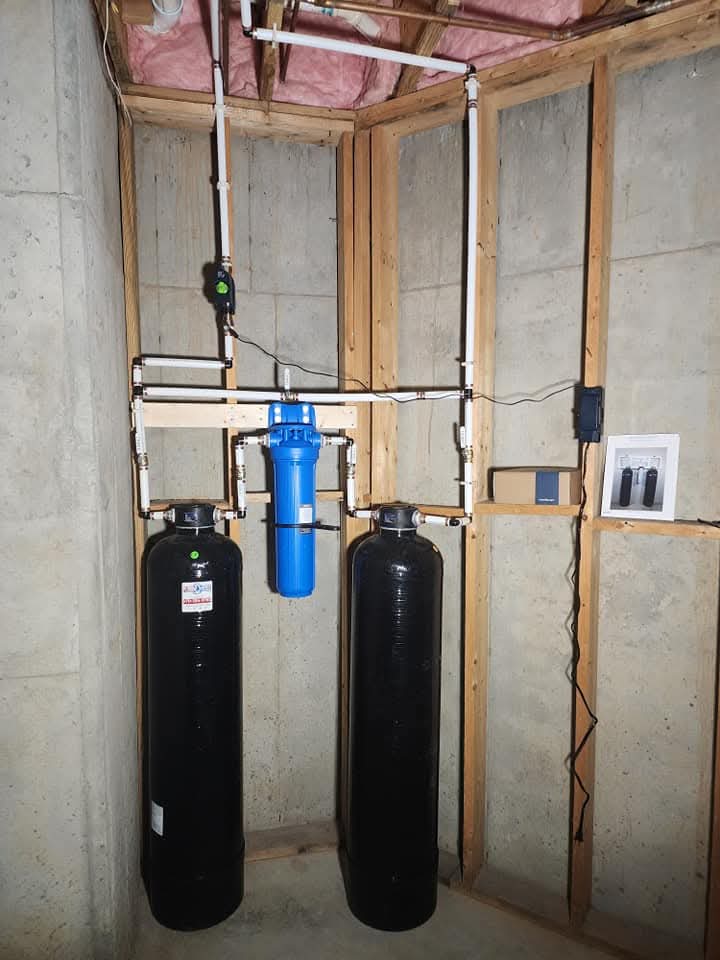
Preventing Future Water Heater Popping Sounds
Prevention is always easier than a major repair. The most effective step is treating the hard water that feeds your tank. A water softener or filtration system removes minerals before they can settle. With fewer minerals entering the tank, sediment forms far more slowly. This single change can dramatically reduce future popping and stretch the life of your unit. It also protects every other appliance that uses water in your home. Treating the water at the source solves the problem at its root rather than its symptom.
Routine maintenance is the second pillar of prevention. An annual inspection lets a plumber check the tank, the burner, and the anode rod. The anode rod is a sacrificial part that attracts corrosion away from the tank walls. When it wears out, the tank itself starts to rust, which speeds up sediment and decay. Replacing the rod on schedule is a small cost that prevents a large one. A yearly visit also gives a technician a chance to flush the tank and catch problems early. Consistent care keeps your water heater running quietly for years.
Adjusting your settings can also help slow sediment buildup. Extremely high temperatures accelerate the breakdown of minerals in the water. Setting the thermostat to a reasonable level reduces that effect while still giving you plenty of hot water. A safe and common setting balances comfort, safety, and sediment control. If your home demands a lot of hot water, a tankless model may be worth considering. Tankless units heat water on demand and avoid the standing tank where sediment collects. This design removes the popping problem at its source.
When Water Heater Popping Sounds Mean You Need a Replacement
Not every noisy water heater can be saved with a flush. Once sediment has caused serious corrosion, the damage often cannot be reversed. A tank that leaks from the bottom has usually reached the end of its life. At that point, repairs only delay an inevitable replacement. Most tank water heaters last around eight to twelve years with good care. A unit near or past that range with heavy sediment is a strong candidate for replacement. Knowing the age of your tank helps you make a clear decision.
Replacing an aging unit often pays for itself over time. Newer water heaters run far more efficiently than models from a decade ago. That efficiency shows up as lower monthly energy bills almost immediately. A new unit also comes with a fresh warranty and modern safety features. You gain reliable hot water without the constant worry of a sudden failure. When repair costs start to approach the price of a new unit, replacement makes the most sense. A plumber can compare your options and give you an honest recommendation.
Choosing the right replacement is just as important as the timing. The correct size ensures your household never runs short on hot water. The right fuel type and efficiency rating affect your bills for years to come. A professional installation protects your warranty and ensures everything meets local code. Cutting corners on installation can lead to leaks, poor performance, and safety hazards. This is one project where professional work truly matters. A licensed plumber handles the entire process so your new unit runs right from day one.
Why You Need a Professional for Water Heater Popping Sounds
Water heater popping sounds are easy to ignore until they turn into a bigger problem. A licensed plumber can pinpoint the cause and fix it before it damages your tank. Professional service also protects your safety, since gas lines, high temperatures, and pressurized tanks carry real risk. The team at Plumb Medic has the training and tools to handle sediment issues correctly. From a simple flush to a full replacement, the right help keeps your hot water flowing. Below is what you can expect when you call a professional.
Professional Inspection for Water Heater Popping Sounds
A professional inspection is the best first step when your water heater starts making noise. A technician examines the tank, the burner or elements, and the connections. They check for signs of sediment, corrosion, and leaks that you cannot see from the outside. This careful review reveals the true condition of your unit. It also helps the plumber recommend the most cost effective solution. You walk away knowing exactly what is happening inside your tank.
Inspections do more than diagnose the popping sound. They catch small problems before they grow into expensive emergencies. A worn anode rod, a failing valve, or early corrosion can all be spotted in time. Addressing these issues early saves money and prevents sudden breakdowns. Regular inspections also keep your unit safe and efficient. Click here for our water heater inspection service and get a clear picture of your tank’s health.
Our technicians take the time to explain what they find. You will never be left guessing about the condition of your water heater. We walk you through your options and the reasoning behind each one. There is no pressure and no confusing jargon, only honest guidance. This approach helps you make the best choice for your home and budget. An informed homeowner is always our goal.
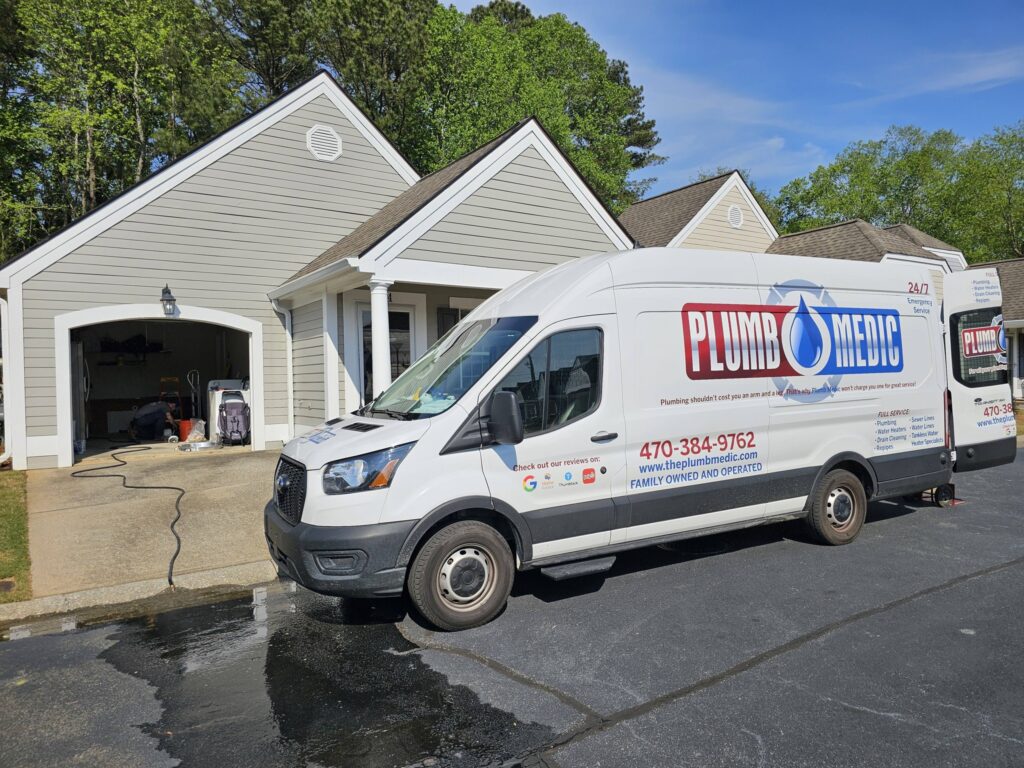
Repair and Maintenance for Water Heater Popping Sounds
Once the cause is clear, our team handles the repair quickly and correctly. A thorough flush often solves the popping in a single visit. We remove the sediment, restore efficiency, and test the unit before we leave. For tougher buildup, we use the right tools to clear the tank completely. Every repair is done with care to protect your unit and your home. The goal is a quiet, reliable water heater that lasts.
Maintenance keeps the popping from coming back after a repair. We offer flushing, anode rod checks, and full system tune ups. A simple maintenance plan can prevent most sediment problems before they start. Regular service also keeps your energy bills in check and your warranty valid. Many homeowners save money over time by staying on a maintenance schedule. We make it easy to keep your water heater in top shape.
We also handle replacement and new installation when the time comes. If your tank is too far gone, we help you choose the right new unit. We size it correctly, install it to code, and haul away the old one. Our team treats your home with respect and cleans up before we leave. You get a smooth experience from the first call to the final test. Reliable hot water should never be a hassle.
Why Choose Plumb Medic for Water Heater Service
Plumb Medic is the team Woodstock homeowners trust for water heater care. All of our technicians are fully licensed and experienced in tank and tankless systems. We earned the Business Rate’s Best of Woodstock Plumber 2025 honor through quality work. Our crew is TracPipe and Navien certified, so your gas and tankless needs are covered. We waive the diagnostic fee when we handle the repair. That commitment to fair service is part of who we are.
We make professional plumbing accessible to every household. Financing is available through Wisetack to help spread out the cost of a major repair or replacement. We also offer military and senior discounts as a thank you to our community. Our 24/7 emergency service means help is ready whenever a water heater fails. You never have to face a cold shower or a leaking tank alone. We answer the call day or night.
Caring for our community matters to us beyond the job site. We donate two percent of every service call to Children’s Healthcare of Atlanta to support local families. When you choose Plumb Medic, you support that mission too. If your water heater is making popping sounds, do not wait for the problem to grow. Call our team today at (470) 384-9762 and let us restore quiet, reliable hot water to your home. We are ready to help you get the most from your water heater.