
The Real Reason Your Bathroom Faucet Drips Even After You Tightened It
A dripping bathroom faucet is one of the most common plumbing problems homeowners face, and it almost always begins the exact same way. You hear the steady drip late at night, you grab a wrench, and you tighten the handle or the packing nut until everything feels snug. The dripping slows for a moment, maybe even stops completely, so you walk away convinced the job is finished. Then a few hours later that familiar sound returns, and the faucet leaks just as much as it did before you touched it. This cycle confuses a lot of people, because tightening feels like it should obviously solve the problem. The reality is that the drip is rarely caused by something loose on the outside of the faucet. The actual issue almost always lives deep inside the faucet body, where small sealing parts wear down a little more every time you turn the handle. Once you understand what truly causes a bathroom faucet to drip, you can stop wasting effort on quick fixes and finally address the part that is failing.
Why Your Bathroom Faucet Still Drips After You Tightened It
Tightening a bathroom faucet treats the symptom while ignoring the source, and that is why the drip keeps coming back no matter how hard you crank the handle. Inside every faucet there are small rubber, ceramic, or metal components that create a watertight seal each time you shut the water off. Over months and years of daily use, those parts compress, crack, corrode, or wear smooth, and they lose the ability to seal. When that happens, water finds the smallest path through the worn part and escapes as a slow, steady drip. Tightening the exterior hardware does not repair or replace those internal pieces, so the leak has nowhere to go but out the spout. In many cases, overtightening actually speeds up the damage and makes the drip worse. The sections below break down the real mechanical reasons your faucet keeps leaking even after your best efforts.
Worn Internal Parts Are the Real Reason Your Bathroom Faucet Drips
The single most common reason a bathroom faucet drips after tightening is a worn internal sealing part, and the type of part depends on the style of faucet you own. Older compression faucets rely on a rubber washer that presses against a metal valve seat every time you close the handle. Each time you shut the water off, that washer grinds slightly against the seat, and after thousands of uses the rubber flattens, hardens, or tears. A flattened washer can no longer form a tight seal, so water seeps past it and drips out of the spout. No amount of handle tightening will reshape or restore that washer once it has failed. The only real fix is to remove the stem and install a fresh washer that matches the original size. This is exactly why a faucet can feel perfectly tight at the handle yet still leak constantly.
Newer faucets use cartridges, ceramic discs, or ball assemblies instead of simple washers, and these parts fail in their own predictable ways. A cartridge is a single insert that controls both water flow and temperature, and it contains rubber seals and O-rings that degrade with age and mineral exposure. When those seals crack or stiffen, the cartridge can no longer block water in the closed position, and a steady drip begins. Ceramic disc faucets last longer than most designs, but hard water and grit can scratch the smooth discs and break the seal between them. Once a cartridge or disc is compromised, tightening the handle simply forces the worn part harder against a surface it can no longer seal against. Replacing the cartridge or disc cartridge restores the seal far more reliably than any wrench ever could.
O-rings and rubber seals deserve their own attention, because they cause leaks that homeowners often misread as a handle problem. An O-ring is a small rubber loop that sits around the stem or cartridge and keeps water from escaping around the moving parts. As the faucet ages, these rings dry out, shrink, and develop tiny cracks that let water slip past them. A failing O-ring frequently causes a drip at the base of the spout or around the handle, not just from the end of the faucet. Because the leak appears near the handle, many people assume tightening will pinch it shut, but that pressure does nothing for a cracked ring buried inside. Swapping out the old O-rings for fresh ones is a quick repair that solves a leak tightening never could. A trained plumber can identify the failing ring in minutes and match it to the correct size and material.
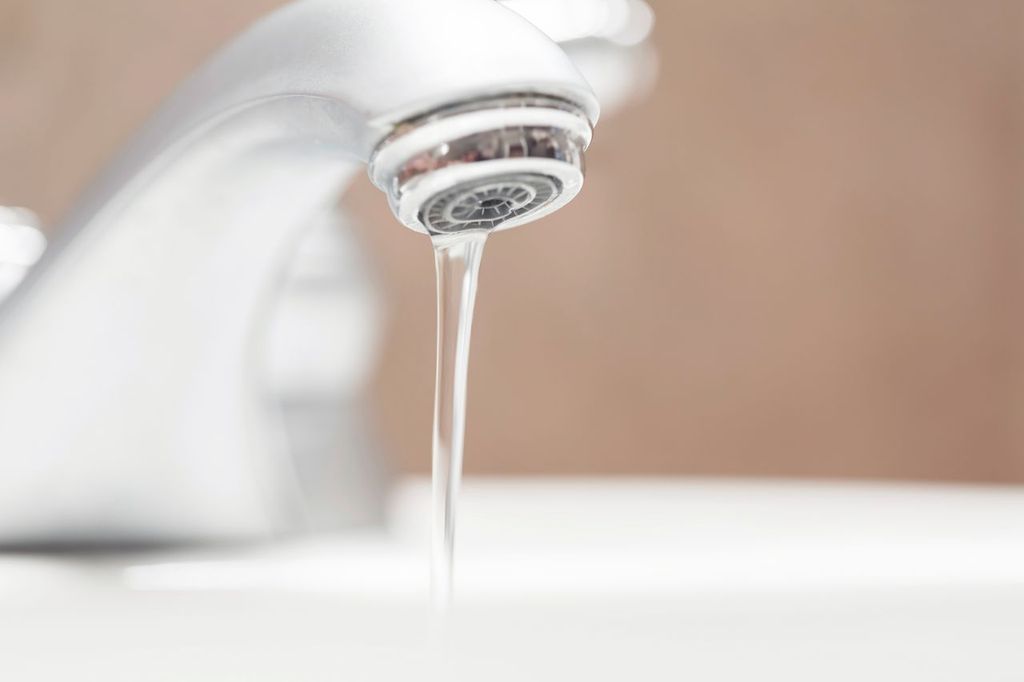
Why Tightening Your Bathroom Faucet Does Not Stop the Drip
Tightening the handle on a dripping bathroom faucet feels logical, yet it works against the way the faucet is actually built to function. The handle is designed to control the position of an internal valve, not to compress every part into a permanent seal. When you force the handle tighter than its normal closed position, you are pressing worn parts against surfaces that are already damaged or smoothed out. That extra pressure may briefly squeeze the gap closed, which is why the drip seems to pause for a short while. As soon as the water pressure builds back up behind the worn seal, it pushes right through the weak spot again. The pause tricks you into thinking the repair held, when in reality nothing inside the faucet has changed.
Overtightening also introduces brand new problems that can turn a small drip into a much larger repair. Cranking the packing nut too hard can strip the threads, crack the valve body, or crush the very washer you were hoping to save. Forcing the handle can bend the stem or grind the valve seat unevenly, which destroys the smooth surface a washer needs to seal against. Plastic cartridges are especially vulnerable, and too much torque can fracture them and send pieces into the water lines. Once a part cracks under pressure, the leak often gets worse instead of better, and the repair becomes more involved. This is the moment many homeowners realize that muscle is not the answer to a dripping faucet.
There is also the simple matter of where the leak is actually located, which tightening completely ignores. A faucet drip can come from the spout, the base, the handle, or even the supply connections underneath the sink. Each of those leak points traces back to a different worn or damaged component inside the assembly. Tightening the exterior hardware only affects one small area and leaves every other failing part untouched. If your faucet drips from the spout while the leak is really a worn cartridge, no amount of handle pressure will reach the problem. Diagnosing the precise source of the leak is the step that separates a lasting fix from an endless cycle of frustration. Need a leaking faucet diagnosed and repaired correctly the first time? Click here for our faucet repair service.
How Water Pressure Makes Your Bathroom Faucet Drip After Tightening
Water pressure plays a quiet but powerful role in why a bathroom faucet keeps dripping, even on a faucet you just tightened. Every faucet is built to handle a certain range of household water pressure, usually somewhere between forty and sixty pounds per square inch. When the pressure in your home runs higher than that range, it pushes harder against the internal seals than they were designed to withstand. Worn washers, O-rings, and cartridges that might hold under normal pressure begin to leak when the force behind them climbs too high. This is why some faucets drip only at certain times of day, often at night when overall household demand drops and pressure rises. Tightening the handle cannot counteract excessive pressure, because the pressure simply overpowers the seal again.
High water pressure does more than cause drips, and ignoring it can lead to damage throughout your entire plumbing system. Excess pressure stresses pipe joints, appliance connections, water heater valves, and every faucet in the house at the same time. A faucet that drips after tightening can be an early warning sign that your home is running at unsafe pressure levels. Left unchecked, that pressure shortens the life of fixtures and can cause sudden, expensive failures down the line. A plumber can test your water pressure quickly and tell you if a pressure regulator is missing, broken, or set too high. Correcting the pressure often stops drips in several fixtures at once and protects the rest of your plumbing.
There is also a hidden interaction between hard water and water pressure that accelerates faucet wear in our area. The mineral rich water common across many Georgia homes leaves calcium and lime deposits inside the faucet body and on the valve seat. Those deposits create rough surfaces that grind against soft seals, and high pressure presses the seals harder against that grit. The combination wears parts out far faster than clean water at normal pressure ever would. This is why two identical faucets can fail on very different timelines depending on the water and pressure feeding them. Addressing pressure and water quality together gives your faucets and your whole system a much longer, leak free life.
How to Fix a Bathroom Faucet That Drips After You Tightened It
Fixing a bathroom faucet that drips after tightening means moving past the handle and addressing the worn part that is actually causing the leak. The right repair always starts with identifying the type of faucet and the exact source of the drip. From there, the failing component gets replaced, the valve seat gets cleaned or resurfaced, and the assembly gets reset to factory tolerances. Some repairs are simple enough for a confident homeowner with the correct parts and tools. Others involve corroded fasteners, hidden cracks, or pressure issues that call for professional diagnosis. The goal is always the same, which is a faucet that shuts off completely and stays quiet. The sections below explain what a proper repair looks like and when it is time to call in help.
Replacing Worn Parts to Stop a Bathroom Faucet Drip
The most direct way to stop a bathroom faucet drip is to replace the worn internal part, and that begins with shutting off the water supply. Under almost every bathroom sink you will find two shutoff valves, one for hot and one for cold, that isolate the faucet from the main lines. Turning those valves off prevents a messy flood once you open the faucet body for repair. With the water off, you open the faucet to drain any pressure still trapped in the lines. From there you remove the handle, expose the stem or cartridge, and inspect the parts for visible damage. Worn washers look flattened or torn, cracked O-rings feel brittle, and bad cartridges often show mineral crust or scoring. Matching each old part to an exact replacement is the key to a seal that actually holds.
Cleaning the valve seat and surrounding surfaces is a step that homeowners frequently skip, yet it makes a major difference in the final result. Even a perfect new washer will leak if it presses against a seat coated in mineral buildup or pitted from corrosion. A plumber uses a seat wrench or a seat dressing tool to clean, smooth, or replace the seat before installing fresh parts. This ensures the new washer or cartridge meets a flat, clean surface that can form a complete seal. Reassembling the faucet in the correct order and with the proper hand pressure finishes the repair. Tightening parts to the right specification matters far more than cranking them as hard as possible. Done correctly, this repair stops the drip without forcing or stressing the components.
Choosing the right replacement parts is harder than it sounds, because faucets come in countless brands, models, and internal designs. A washer or cartridge that looks similar can still be the wrong size, material, or shape for your specific faucet. Installing the wrong part often leads to a leak that returns within days or weeks, which sends people right back to square one. Older or discontinued faucets sometimes have parts that are difficult to source without professional supply connections. A plumber carries common cartridges and washers on the truck and knows how to identify obscure models on sight. Getting the exact part the first time saves repeat trips, repeat costs, and repeat frustration. If you are tired of guessing at parts, click here for help with faucet repair from a licensed pro.
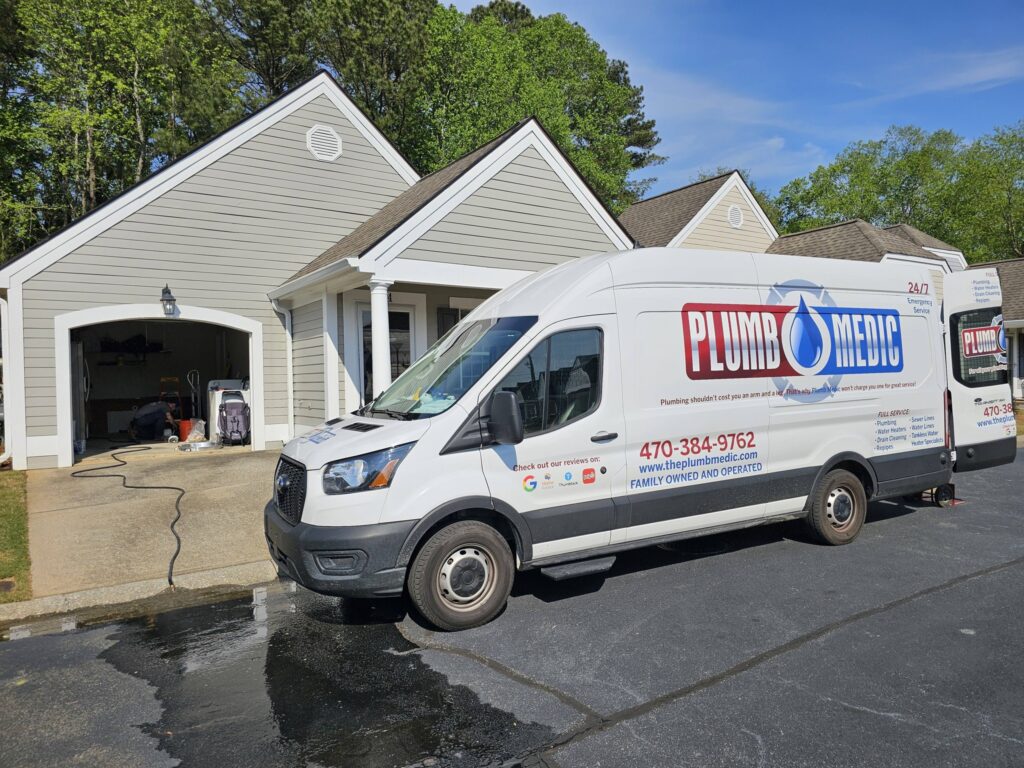
When to Call a Plumber for a Bathroom Faucet That Keeps Dripping
Some dripping faucets are simple, but several warning signs tell you it is time to call a plumber instead of reaching for the wrench again. If you have already replaced the washer or cartridge and the faucet still drips, the problem likely sits deeper in the valve body or supply lines. A drip that returns within hours of every repair points to a damaged valve seat, a pressure problem, or a crack you cannot see. Water pooling at the base of the faucet or under the sink signals a failing O-ring or a loose connection that needs proper sealing. Corroded shutoff valves that will not turn are another sign that a professional should handle the job safely. When the repair starts touching the pipes rather than the faucet, the stakes and the skill required both rise quickly.
Hidden leaks are one of the strongest reasons to bring in a trained plumber rather than chasing the drip yourself. A faucet that drips on the surface can be paired with a slow leak inside the cabinet, the wall, or the supply line where you cannot see it. Those hidden leaks rot cabinets, warp flooring, and feed mold growth long before you notice any visible water. Professional leak detection uses specialized tools to find moisture that stays out of sight until the damage is already serious. Catching a hidden leak early can save thousands of dollars in repairs to floors, cabinets, and framing. Curious if your dripping faucet is hiding a bigger problem? Click here for our leak detection service.
There is also real value in having a professional confirm that your repair is complete and that nothing else is failing. A plumber checks water pressure, inspects the supply lines, and tests the faucet under full operation before calling the job done. That thorough approach catches secondary issues that a quick washer swap would miss entirely. Many homeowners spend more on repeat parts and wasted weekends than they would have on a single professional visit. A correct repair the first time protects your fixtures, your floors, and your patience. When a drip refuses to quit, the smartest move is to let an expert find the real cause. Licensed plumbers also stand behind their work, which gives you protection a do it yourself fix never offers.
The Cost of Ignoring a Bathroom Faucet That Drips After Tightening
A dripping bathroom faucet seems harmless, yet ignoring it carries costs that grow steadily the longer the leak continues. A faucet that drips once per second wastes thousands of gallons of water every single year. That wasted water shows up directly on your monthly bill, quietly inflating your costs for a problem that never gets better on its own. Over the course of a year, the price of all that lost water can easily exceed the cost of a proper repair. The longer you wait, the more you pay for water you never actually use. Stopping the drip early turns an ongoing expense into a one time fix.
Beyond the water bill, a persistent drip causes physical damage that becomes far more expensive than the original repair. Constant moisture stains sinks, corrodes fixtures, and leaves mineral deposits that are difficult to remove. Water that escapes around the base or under the sink soaks into cabinets, swells the wood, and weakens the structure over time. Persistent dampness inside a closed cabinet creates the perfect environment for mold and mildew to spread. Mold remediation and cabinet replacement cost dramatically more than swapping a worn faucet part. A small drip today can become a major restoration project if it is left alone long enough.
There is also the wear and tear that the leak itself inflicts on the faucet and the plumbing behind it. A drip that runs constantly keeps water moving through worn parts, which accelerates their breakdown even further. The same mineral rich water that caused the wear continues to build up while the faucet leaks. Eventually a worn faucet can fail in a way that requires full replacement rather than a simple part swap. Catching the problem early keeps the repair small, fast, and affordable. Waiting almost always trades a minor inconvenience for a larger, costlier headache. Treating a drip as the early warning it truly is protects both your wallet and your home.
Why You Should Trust The Plumb Medic to Fix Your Dripping Bathroom Faucet
When a bathroom faucet keeps dripping after you have tried everything, the right move is to call a plumbing team that finds and fixes the real cause. The Plumb Medic specializes in diagnosing the worn parts, pressure issues, and hidden leaks that keep faucets dripping long after a quick tightening. Our technicians are fully licensed and experienced, so they know every common faucet design and how each one fails. We carry the parts, tools, and knowledge to repair your faucet correctly on the first visit. We serve homeowners across Woodstock and the surrounding communities with honest, dependable plumbing service. Below is what makes us the right choice for a faucet that simply will not stop leaking.
Fast Faucet Repair for a Dripping Bathroom Faucet
A dripping faucet is the kind of problem that deserves a quick response, and The Plumb Medic is built to deliver exactly that. Our team arrives prepared with the common cartridges, washers, and O-rings needed to handle most bathroom faucet repairs in a single visit. We offer 24/7 emergency plumbing service, so a sudden leak never has to wait until business hours. Fast service matters, because the longer a faucet drips, the more water and money slip away. Our technicians work efficiently while still taking the time to fix the true source of the leak. You get a quiet, fully sealed faucet without the long wait or the repeat visits.
Speed only matters when it comes with accuracy, and that is where our experience truly shows. We diagnose the exact cause of your drip before we touch a single part, which prevents wasted effort and repeat repairs. Our plumbers check the washer, cartridge, valve seat, O-rings, and water pressure as part of a complete inspection. That thorough process means we catch secondary issues that a rushed repair would leave behind. You end up with a faucet that is fixed right, not just fixed fast. The combination of speed and precision is what keeps our customers calling us back.
We also make the entire repair experience simple and stress free from the very first phone call. Our team explains what is wrong with your faucet in plain language, so you always understand the problem and the fix. We respect your home, protect your sink and cabinet during the work, and clean up before we leave. Scheduling is easy, and our friendly office staff helps you find a time that fits your day. From the moment you call to the moment the drip stops, we handle every detail. That smooth experience is part of why local homeowners trust us with their plumbing.
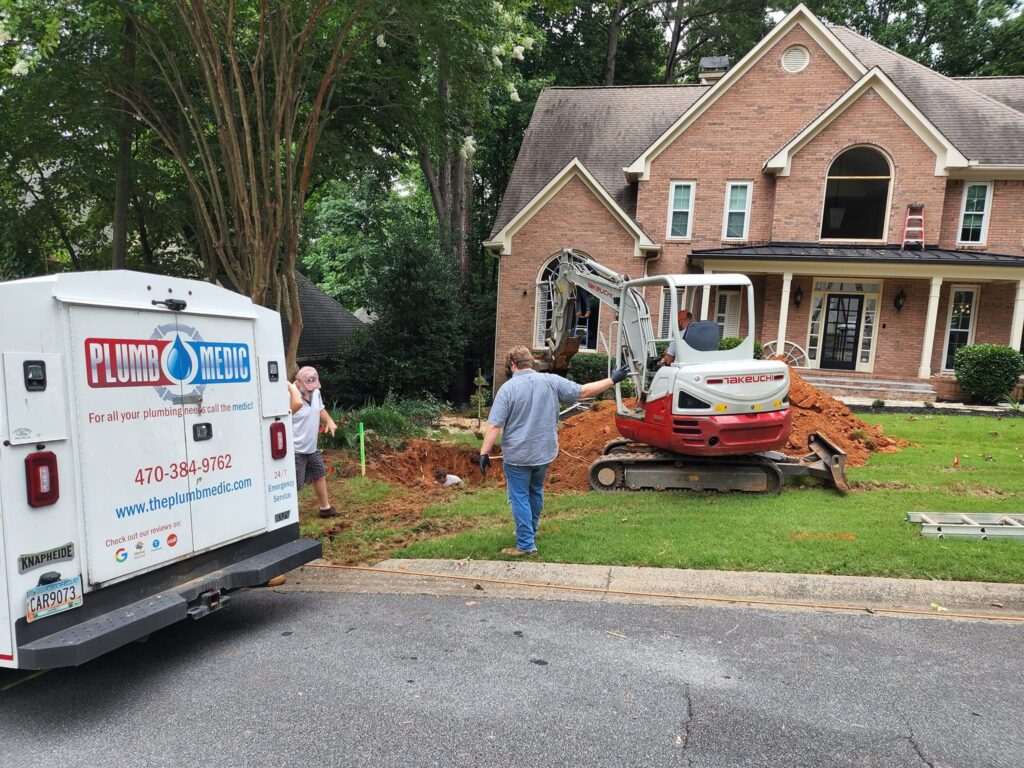
Honest Pricing for Bathroom Faucet Drip Repair
Honest pricing sits at the center of everything The Plumb Medic does, because we believe you deserve to know the cost before the work begins. We provide clear, upfront pricing so there are no surprises waiting for you at the end of the job. Our diagnostic fee is waived when we handle the repair, which means you are not paying twice to solve one problem. We explain your options openly and let you decide how to move forward with full information. That transparency builds the trust that has earned us a loyal base of repeat customers. With us, the price you agree to is the price you pay.
We also work hard to make quality plumbing affordable for every household we serve. Financing is available through Wisetack for larger repairs, so a bigger plumbing project never has to strain your budget. We proudly offer military and senior discounts as a thank you to the people who have given so much to our community. These options put professional, lasting repairs within reach for more families across our service area. Affordable plumbing should never mean cutting corners, and we never do. You get top quality work at a price that respects your budget.
Our commitment to fairness extends beyond pricing and into how we treat every customer and every neighborhood we serve. The Plumb Medic donates two percent of our service calls to Children’s Healthcare of Atlanta to support local families in need. That gives every repair you book a positive ripple effect throughout the community. We believe a good plumbing company should strengthen the area it serves, not just profit from it. When you choose us, you support a business that gives back with every job. Honest pricing and genuine community care go hand in hand at The Plumb Medic.
Why Choose The Plumb Medic for Your Dripping Bathroom Faucet
Choosing The Plumb Medic means choosing a team that has earned its reputation through skill, integrity, and consistent results. We were named Business Rate’s Best of Woodstock Plumber for 2025, an honor that reflects the trust our community places in us. Our technicians are TracPipe and Navien certified, which shows the depth of training behind every repair we make. That expertise covers far more than faucets, so we can spot and solve related plumbing issues during the same visit. When you hire us, you hire a team that treats your home with the same care we would give our own. Quality and ethics guide every decision we make on the job.
We back our work with the kind of dependable service that turns first time callers into lifelong customers. From a simple dripping faucet to a complex plumbing repair, we bring the same focus, honesty, and attention to detail. Our goal is always a lasting fix that gives you peace of mind, not a temporary patch that fails next week. We stand behind our repairs and stand beside our customers whenever they need us. That reliability is the foundation of the relationships we build across Woodstock and beyond. With The Plumb Medic, you get a plumbing partner you can count on for years.
When your bathroom faucet keeps dripping no matter what you try, the smartest and simplest solution is to call the professionals who fix it for good. The Plumb Medic combines fast service, honest pricing, licensed expertise, and a real commitment to our community in every single job. We are ready to find the true cause of your drip and stop it the right way the first time. Reach out today and let our experienced team take care of that stubborn leak so you can finally enjoy a quiet, drip free bathroom. Call The Plumb Medic now at (470) 384-9762 to schedule your faucet repair and put an end to that endless drip for good.