
How Tree Roots Crack Sewer Lines Faster During Drought Conditions
Drought weather puts hidden stress on your underground plumbing, and tree roots take full advantage. When rainfall drops and the soil dries out around your home, thirsty roots hunt aggressively for any source of moisture they can reach. Sewer lines become prime targets because they carry warm water and nutrients that roots crave. The result is faster, deeper invasion into pipes that may have been holding up just fine during wetter months. Homeowners across Cherokee County and the greater Atlanta metro often see backups, slow drains, and full sewer failures during dry summer stretches. Understanding the science behind this problem helps you spot trouble early and protect your sewer system before serious damage occurs.
Why Drought Conditions Make Tree Roots Crack Sewer Lines Faster
Dry weather changes the behavior of trees in ways most homeowners never consider. During a drought, surface soil loses moisture quickly, and trees switch into survival mode. Their root systems extend further and deeper than usual, sometimes growing two to three times their normal length in search of water. Sewer lines, which contain a steady flow of moisture, oxygen, and organic material, become irresistible targets. Even pipes buried four to six feet underground are not safe from determined roots during prolonged dry spells.
The Science Behind Drought Conditions and Tree Root Sewer Line Damage
Trees rely on a process called hydrotropism, which means their roots naturally grow toward water sources. In normal weather, roots find plenty of moisture in the topsoil and rarely need to dig deeper. Drought conditions strip away that easy water supply, forcing roots to search aggressively in every direction. Your sewer line gives off small amounts of vapor through tiny cracks, loose joints, or aging connections, and roots can detect that vapor from impressive distances.
Once a root locates a moisture source, it grows directly toward it with surprising speed. Some species, like oak, maple, and willow, can extend roots several feet in a single growing season. The root then enters through any existing weakness in the pipe, such as a hairline crack or a separated joint. After it gains entry, the root flourishes inside the pipe because of the constant supply of water and nutrients flowing through your sewer system.
The damage compounds quickly because each root sends out more branches once inside. What started as a small intrusion can become a thick mass of roots within months. These root balls trap toilet paper, grease, and waste, leading to slow drains and frequent backups. During drought years, plumbers in north Georgia report a sharp rise in root-related sewer calls, and many of these jobs end with full pipe replacement. Catching the problem early saves thousands of dollars and prevents raw sewage from backing up into your home.
How Drought Conditions Weaken Soil Around Sewer Lines
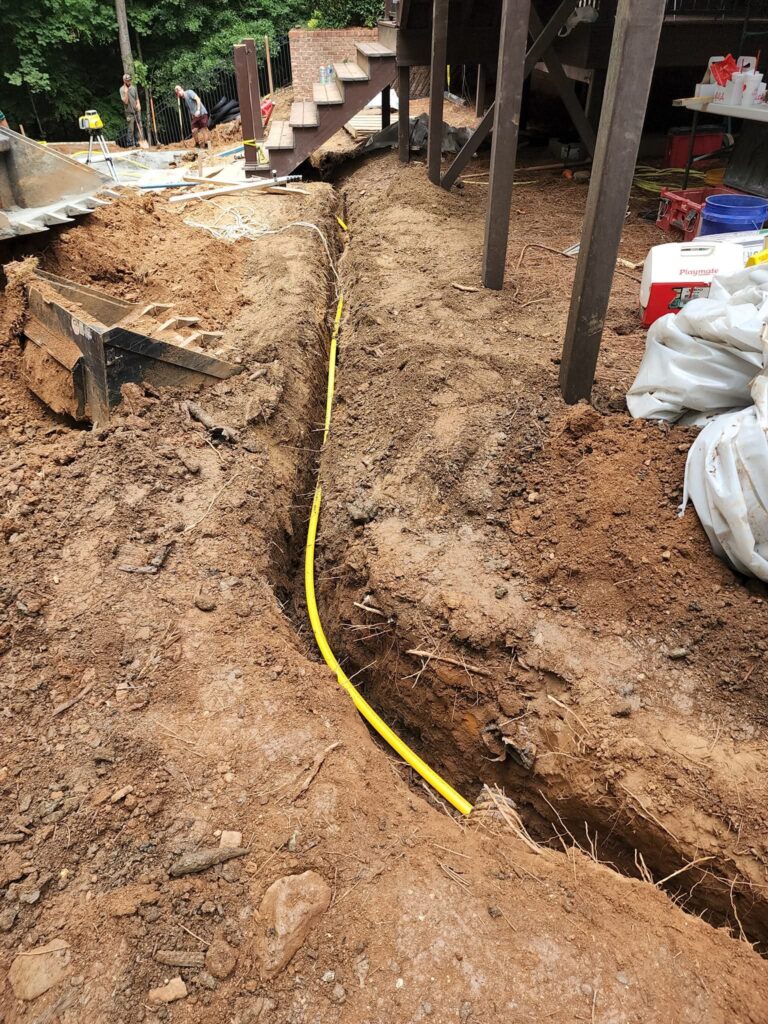
Soil structure plays a major role in sewer line health, and drought conditions disturb that structure in dangerous ways. Georgia clay soil shrinks dramatically as it dries out, pulling away from pipes and creating air gaps along the length of the sewer line. These gaps reduce the support that holds your pipe steady underground. Without firm soil pressing in from all sides, pipes shift, sag, and bend in ways they were never designed to handle.
Shifting soil puts stress on every joint and connection in your sewer system. Cast iron, clay, and even older PVC pipes can develop cracks when the ground moves unevenly around them. Once a crack forms, moisture begins escaping into the soil, which acts like a beacon for nearby roots. The combination of weakened pipe walls and aggressive root growth creates the perfect storm for major sewer failure.
Soil expansion after drought makes the problem worse, not better. When heavy rain finally returns, the dry clay swells rapidly and shoves against pipes from all sides. This sudden pressure can finish off pipes that were already cracked or invaded by roots. Many homeowners discover sewer line problems right after the first big rain following a long dry spell. Need help with a damaged sewer line? Click here for our sewer line repair service.
Which Trees Cause the Worst Sewer Line Damage During Drought Conditions
Not every tree poses the same risk to your sewer line during a drought. Fast-growing species with shallow, wide-spreading root systems cause the most trouble in north Georgia yards. Willows top the list because they actively seek out water and can send roots over 100 feet from the trunk. Silver maples, poplars, sweetgums, and elms also rank high on the list of sewer line offenders. These trees are common in older neighborhoods around Woodstock, Marietta, and Roswell, where mature landscaping often grows right over aging sewer lines.
Oak trees deserve special attention because they dominate yards across Cherokee County and the surrounding area. While oaks grow more slowly than maples or willows, their root systems are massive and persistent. During drought conditions, oak roots can travel surprising distances to reach a moisture source. Pine trees, despite their tall and narrow appearance, also send out wide root systems that easily reach sewer lines buried in the yard.
Even smaller ornamental trees can cause problems when planted too close to sewer lines. Bradford pears, crepe myrtles, and certain magnolias send out aggressive roots that find their way into pipes. Spacing trees properly during landscaping is one of the best long-term protections for your sewer system. A general rule is to plant large trees at least 20 feet away from any sewer line, and even further for water-loving species like willows and maples.
Warning Signs That Tree Roots Have Cracked Your Sewer Line During Drought Conditions
Sewer line problems rarely appear out of nowhere, and drought conditions tend to speed up the warning signs. Catching these signals early gives you time to act before a small intrusion becomes a major emergency. Most homeowners notice changes in their drains weeks or even months before a full backup occurs. Paying attention to these clues during dry weather is one of the smartest things you can do as a homeowner. Knowing what to look for keeps small repairs small and protects your home from costly sewer damage.
Slow Drains and Gurgling Sounds Signal Tree Root Sewer Line Damage
Slow drains throughout the house often point to a sewer line problem rather than a simple clog. When tree roots invade the main sewer pipe, they create a partial blockage that affects every drain in the home. You might notice that the kitchen sink takes longer to empty, the bathtub holds water, or multiple toilets flush sluggishly. These symptoms usually start small and worsen gradually as the root mass grows larger inside the pipe. Drought conditions accelerate this timeline because roots grow faster and pack the pipe tighter.
Gurgling sounds from drains and toilets are another major red flag. The noise happens when air gets trapped behind a partial blockage and forces its way through the water in your drain traps. You might hear bubbling in the toilet bowl when you run the washing machine or shower. Sometimes the gurgling occurs in a sink across the house from where water is actually being used. These sounds mean your sewer line is struggling to move waste and air efficiently.
Multiple slow fixtures at the same time almost always point to a main line issue rather than a single clog. A single slow sink usually has a localized cause, like hair or grease in the trap. When the toilet, shower, and sink all slow down together, the problem lies deeper in the system. This is when professional inspection becomes essential. A camera inspection can confirm whether roots have entered the pipe and show exactly how serious the damage has become.
Sewage Backups and Foul Odors Point to Tree Root Sewer Line Cracks
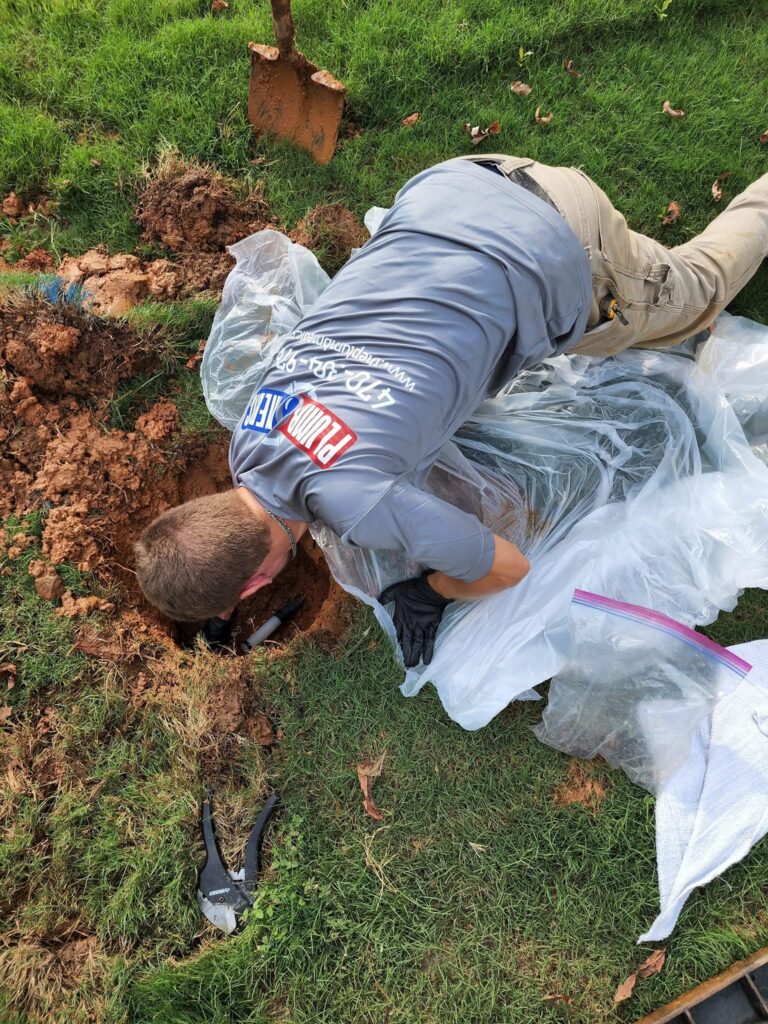
Sewage backing up into the lowest drains of your home is one of the clearest signs of a serious sewer line problem. Basement floor drains, ground-floor showers, and laundry room drains usually back up first because they sit at the bottom of the plumbing system. Drought-related root damage often causes these backups to start small and grow worse quickly. You might see dirty water in the tub after running the washing machine or notice waste appearing in shower drains. This problem demands immediate attention because raw sewage creates serious health hazards.
Foul odors around your yard or inside the home are another warning sign that should never be ignored. Cracked sewer pipes leak gases into the surrounding soil, and those gases eventually find their way to the surface. You might smell sewage near a specific area of the yard, especially after a rare rainfall during a dry stretch. Inside the home, the smell often comes through drains, around toilets, or near floor vents. These odors mean sewage is escaping the pipe and entering places it should never reach.
Patches of unusually green or lush grass in your yard can also indicate a leaking sewer line. The leaking waste acts as fertilizer for nearby vegetation, causing one area of grass to grow faster and greener than the surrounding lawn. During drought conditions, this contrast becomes especially noticeable because the rest of the yard looks brown and stressed. Sinkholes, soft spots, and small depressions in the yard are even more serious indicators. Need a sewer line inspection? Click here for our sewer line inspection service.
Frequent Clogs and Toilet Problems Indicate Tree Root Sewer Line Damage
Repeated clogs in the same fixture often point to a sewer line problem rather than user error. If you find yourself plunging the toilet several times a month, the cause may lie far beyond the bathroom. Tree roots create constant obstructions that catch passing waste and form clogs higher up in the system. Drought conditions make these clogs more frequent because root growth happens faster during dry weather. Many homeowners spend years dealing with chronic clogs without realizing the true source.
Toilets that flush slowly or refuse to flush completely are another common symptom. A healthy toilet should empty in seconds with strong water movement. When sewer roots restrict the main line, the toilet loses its ability to push waste through efficiently. You might also notice the water level in the bowl rising higher than normal during flushing or sitting lower than usual after the flush completes. These changes mean the system cannot move water and waste the way it was designed to.
Plumbing snakes that clear clogs for a short time but never seem to fix the problem permanently often confirm root invasion. Drain cleaners and snakes can punch through soft blockages but rarely remove root masses fully. The roots grow back within weeks or months, and the cycle repeats. Professional video inspection identifies the true cause and shows the extent of the damage. From there, the repair plan can target the actual problem instead of treating the same symptom over and over.
Why You Need Professional Sewer Line Service During Drought Conditions
Drought weather creates the perfect environment for sewer line failure, and waiting for full backup is the worst possible plan. Professional inspection during dry weather identifies hidden damage before it becomes an emergency. The Plumb Medic uses advanced camera technology to see inside your sewer line and pinpoint root intrusion with precision. Quick action saves thousands of dollars in repairs, prevents property damage, and protects your family from health hazards. Choosing the right plumbing team makes all the difference in solving sewer problems correctly the first time.
Why You Need Sewer Line Inspection During Drought Conditions
Camera inspection is the gold standard for diagnosing sewer line problems caused by tree roots. A small, waterproof camera travels through your pipe and shows real-time footage of the interior. This technology reveals cracks, root intrusions, sagging sections, and pipe deterioration that no other method can detect. During drought conditions, inspection becomes especially important because root damage accelerates without obvious surface signs.
Catching root damage early opens up affordable repair options that may not be available later. Small intrusions can sometimes be cleared with hydro jetting, which uses high-pressure water to cut roots and flush them out of the pipe. Larger cracks may be fixed with trenchless lining, which seals the pipe from the inside without digging up your yard. Waiting until full failure usually means full excavation and complete pipe replacement, which costs significantly more.
Annual inspections become smart insurance for homes with mature trees nearby. Knowing the condition of your sewer line gives you peace of mind and lets you plan repairs on your schedule instead of during an emergency. The Plumb Medic offers thorough camera inspections that document the entire length of your sewer line. This service identifies problems while they are still manageable.
Why You Need Sewer Line Repair During Drought Conditions
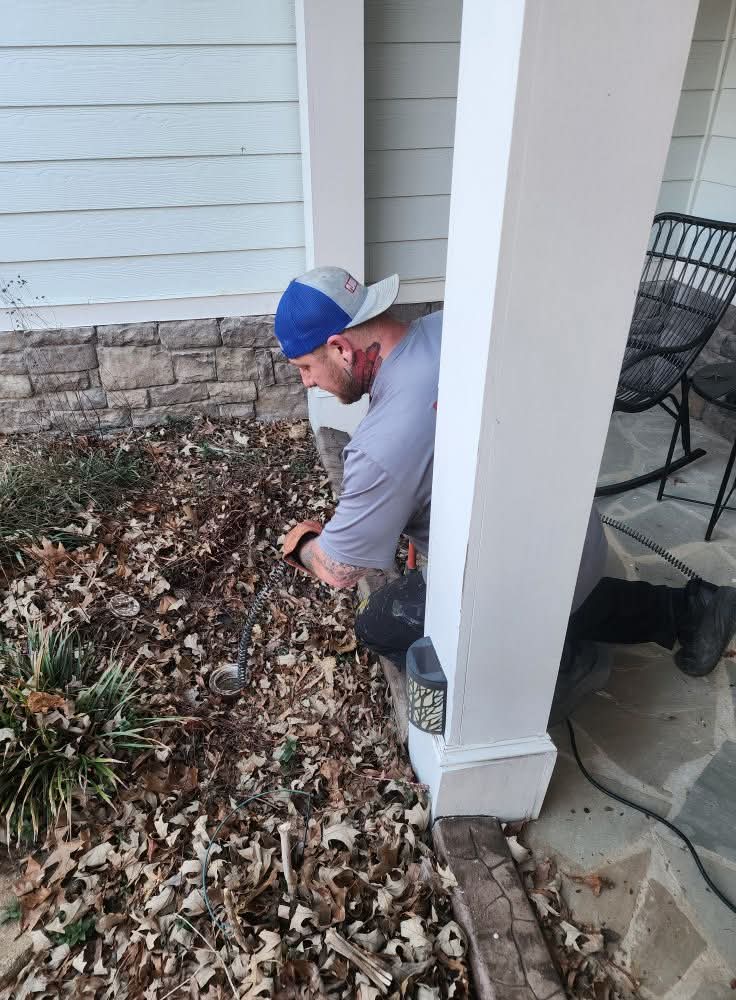
Sewer line repair during drought conditions prevents the cascade of damage that often follows dry weather. Cracked pipes leak water and waste into the surrounding soil, which destabilizes the ground around your foundation. Heavy rains after a drought can wash out the weakened soil and cause sinkholes or yard collapse. Repairing the pipe before the next rainy season protects your property from this domino effect.
Modern repair methods are far less invasive than the dig-and-replace jobs of the past. Trenchless technology allows technicians to fix many sewer issues with minimal excavation. Pipe bursting and pipe lining techniques replace or seal damaged sections without tearing up the entire yard. These methods save your landscaping, driveway, and patio while delivering a long-lasting repair.
Quick action also prevents secondary damage to your home. Backed-up sewage causes flooring damage, mold growth, and air quality problems that take weeks to remediate. The cost of cleaning up a sewage backup often exceeds the cost of the original sewer repair. Acting before failure is always the better financial choice. Need sewer line installation? Click here for our sewer line installation service.
Why Choose The Plumb Medic for Sewer Line Service in Woodstock
The Plumb Medic brings local knowledge, advanced equipment, and a deep commitment to honest service to every sewer line job. Our technicians are fully licensed and experienced with the unique soil conditions of Cherokee County and the greater Atlanta area. We understand how Georgia clay behaves during drought, how tree roots invade pipes in this region, and how to deliver repairs that last. Our team has earned Business Rate’s Best of Woodstock Plumber 2025, a recognition we take seriously every day.
We offer 24/7 emergency service because sewer problems rarely happen at convenient times. Waived diagnostic fees apply when we handle the repair, and financing through Wisetack makes major sewer work affordable. Military and senior discounts are available to thank those who serve our community. Two percent of every service call goes to Children’s Healthcare of Atlanta to support local families during their hardest moments.
Honest pricing, clear communication, and quality workmanship define every job we take on. We explain what we find, show you the camera footage, and walk through your options before any work begins. Our team treats your home with respect, cleans up after every job, and stands behind our repairs. Call The Plumb Medic today at (470) 384-9762 to schedule your sewer line inspection or repair before drought damage turns into a major emergency.