
The Labor Day Plumbing Checks Every Homeowner Should Run This Weekend
Labor Day weekend gives Georgia homeowners a rare three day stretch to catch up on the house before fall arrives. Summer is hard on plumbing systems in Woodstock and across Cherokee County. Sprinkler lines run daily, hoses stay connected, water heaters work overtime, and drains take on extra grease from months of cookouts. Small problems that started in June often become expensive failures by October if nobody looks for them. A simple walkthrough this weekend can catch leaks, corrosion, slow drains, and pressure issues while they are still cheap to fix. You do not need special tools or plumbing experience to run these checks. You only need an hour, a flashlight, and a willingness to look in a few places you normally ignore. This guide walks you through every plumbing check worth running before you fire up the grill.
Outdoor Plumbing Checks to Run Over Labor Day Weekend
Your outdoor plumbing carried the heaviest load all summer, so it deserves the first look this weekend. Hose bibs, irrigation lines, and exterior drains all suffer from constant use between May and September. Georgia clay soil also shifts during hot, dry stretches, and that movement puts stress on buried water and sewer lines. Outdoor leaks waste thousands of gallons before most homeowners ever notice them. They also inflate your water bill quietly, month after month. Checking these areas now takes minutes; ignoring them can mean foundation damage or a flooded yard later. Start outside while the weather is still warm and the ground is easy to inspect.
Hose Bib and Spigot Plumbing Checks for Labor Day
Walk to every outdoor spigot on your property and turn each one on fully. Watch the connection point where the spigot meets the wall of your home. Water seeping from behind the handle or dripping from the wall penetration means the packing washer or the pipe itself has failed. Turn the water off completely and watch for another thirty seconds. A spigot that keeps dripping after shutoff is wasting water around the clock and needs a washer replacement or a full valve swap. Feel the siding and brick below each spigot for soft spots or staining. Moisture damage here often signals a slow leak inside the wall cavity where you cannot see it. These leaks rot framing and invite pests, so do not brush off a small drip.
Next, disconnect every garden hose from its spigot. Hoses left attached trap water inside the bib, and that trapped water is the number one cause of burst spigots when the first freeze hits North Georgia in November or December. Labor Day is the perfect reminder to start this habit even though freezing weather is still months away. Inspect each hose washer while you are at it. Cracked or flattened washers cause the spray leaks you have probably been ignoring all summer. Replace them now for a few cents each. Check the spigot threads for corrosion or mineral crust as well. Heavy white or green buildup means hard water is eating the fixture and it may fail sooner than you expect.
Finally, test the water pressure at each outdoor fixture. Pressure that seems noticeably weaker at one spigot than another can point to a partial blockage or a hidden leak in the supply line feeding it. A pressure gauge from any hardware store screws directly onto a hose bib and costs under fifteen dollars. Healthy residential pressure sits between 40 and 80 psi. Readings above 80 psi stress every pipe, valve, and appliance in your home and usually mean your pressure reducing valve has failed. Readings far below 40 psi suggest a supply problem worth investigating. Suspect a hidden leak somewhere on the property? Click here for our professional leak detection service and let us pinpoint it before it grows.
Irrigation and Sprinkler Line Plumbing Checks for Labor Day
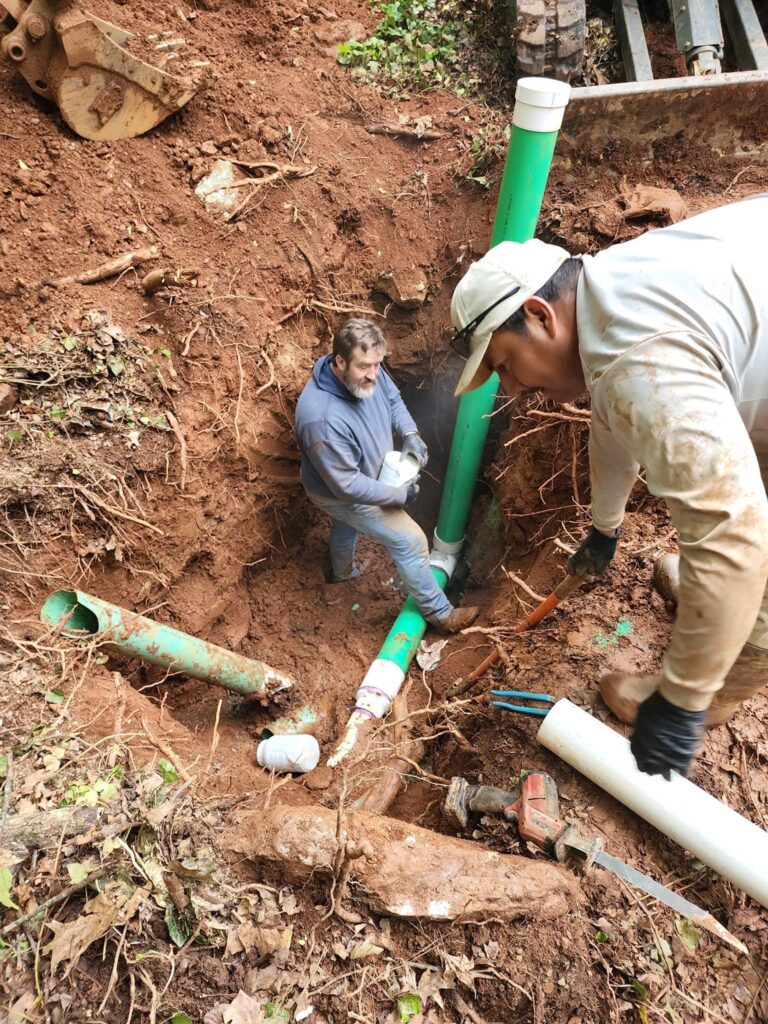
Your irrigation system ran hundreds of cycles this summer, and Labor Day is the right time to audit it before you dial it back for fall. Run each sprinkler zone manually and walk the yard while it operates. Look for heads that sputter, spray sideways, or barely rise from the ground. Broken heads waste water and often hide cracked supply lines underneath. Watch for zones that produce weak coverage across the board. Uniform low pressure in one zone usually means a leak or crack in the buried lateral line feeding it. Georgia clay expands and contracts with moisture swings, and that soil movement snaps rigid PVC laterals more often than homeowners realize.
Pay close attention to soggy patches in the lawn that never dry out. A spot that stays wet even on days the sprinklers do not run is a classic sign of an underground leak in either the irrigation system or your main water supply line. Grass over a leak often grows greener and faster than the surrounding lawn, which sounds nice but signals wasted water. Press your foot into suspect areas and feel for sponginess. Compare your recent water bills to the same months last year. A bill that climbed 20 percent or more without a change in habits almost always points to a leak somewhere on the property. These clues cost nothing to gather and can save you thousands.
Check your backflow preventer while you are outside. This device sits near your irrigation shutoff and keeps sprinkler water from contaminating your drinking supply. Look for dripping at the test cocks, corrosion on the body, or water pooling around the base. Georgia requires functioning backflow prevention on irrigation systems, and a failed unit is both a code issue and a health risk. Also locate your main water shutoff valve and turn it a quarter turn to confirm it still moves. Valves that sit untouched for years seize up, and a seized valve turns a minor pipe burst into a flooded house because nobody can stop the flow. Every adult in your household should know where this valve is and how to close it. Five minutes of practice this weekend could save your floors this winter.
Outdoor Drain and Sewer Plumbing Checks for Labor Day
Storm drains, yard drains, and sewer cleanouts need attention before fall leaves start dropping. Locate the drain grates in your driveway, patio, and low spots in the yard. Pull debris, leaves, and mulch away from every grate. Pour a bucket of water into each drain and confirm it flows away quickly. Standing water means the line is partially clogged with silt or roots, and fall rain will finish the job if you wait. Clogged yard drains push water toward your foundation, and foundation water intrusion is one of the most expensive problems a Georgia homeowner can face. Ten minutes with a bucket tells you everything you need to know.
Find your sewer cleanout, the capped white pipe usually sticking a few inches out of the ground near your foundation or property line. Unscrew the cap carefully and look inside with a flashlight. You should see a dry or lightly damp pipe. Standing sewage or water sitting in the cleanout means your main sewer line is backing up and a full blockage is coming soon. Tree roots love Georgia sewer lines, especially older clay and cast iron pipes, and late summer root growth is aggressive. Slow drains throughout the house, gurgling toilets, and sewage odors in the yard all confirm the same problem. Do not wait for a holiday weekend backup with a house full of guests.
Think about how your drains behaved during summer entertaining. Kitchen drains that got slower after every cookout are loaded with grease, and that grease hardens as temperatures drop in fall. Multiple slow fixtures point toward a main line issue rather than a single clogged trap. Chemical drain cleaners from the store eat pipes and rarely clear real blockages, so skip them. A professional cleaning restores full flow and lets a camera confirm the pipe condition at the same time. Dealing with slow or smelly drains after a busy summer? Click here for our drain cleaning service and start fall with clear lines.
Indoor Labor Day Plumbing Checks Before Fall Arrives
Once the outdoor checks are done, move inside where the most expensive plumbing failures start. Water heaters, supply lines, toilets, and under sink connections all degrade quietly behind cabinet doors and closet walls. Indoor leaks cause the majority of homeowner insurance water damage claims, and most of them were visible for weeks before the failure. Labor Day weekend gives you the time to open every cabinet, run every fixture, and actually look at the equipment keeping your home running. Fall and winter put new demands on indoor plumbing as hot water use climbs and holiday guests arrive. Catching a weak connection or a corroded valve now means fixing it on your schedule instead of during an emergency. Grab a flashlight and a dry paper towel and work through the house room by room.
Water Heater Plumbing Checks for Labor Day Weekend
Your water heater worked hard all summer and is about to work harder as groundwater temperatures drop through fall and winter. Start with a visual inspection of the tank. Look for rust streaks on the shell, corrosion at the top fittings, and any moisture in the drain pan underneath. Even a teaspoon of water in the pan signals a developing leak, and tank leaks only move in one direction. Check the age of the unit on the manufacturer label; most tank water heaters last 8 to 12 years, and units past that window fail without much warning. A failing 50 gallon tank can dump its entire contents onto your floor in minutes. Knowing the age and condition now lets you plan a replacement instead of reacting to a flood.
Test the temperature and pressure relief valve, the small lever valve on the side or top of the tank. Lift the lever briefly and let it snap back. You should hear a burst of water discharge into the drain tube. A valve that does nothing, or one that keeps dripping afterward, has failed and must be replaced immediately. This valve is the only thing preventing dangerous pressure buildup inside the tank, and a stuck valve is a genuine safety hazard. Drain a few gallons from the tank through the bottom spigot while you are there. Cloudy water full of sediment means the tank needs a full flush. Sediment buildup is severe in North Georgia because of our hard water, and it shortens tank life while raising your energy bills every month.
Listen to the water heater while it runs a heating cycle. Popping, rumbling, or crackling sounds come from water boiling underneath a hardened sediment layer, and that noise means the tank is overworking. Check the water temperature at a faucet with a cooking thermometer; 120 degrees is the safe standard that prevents scalding while limiting bacteria growth. Inspect the shutoff valve and supply connections above the tank for green or white corrosion. Homes with older units should seriously consider a professional inspection before the heavy demand season begins. A trained technician checks the anode rod, gas connections, venting, and burner condition, items no homeowner checklist covers. Want a professional to evaluate your unit before winter? Click here for our water heater inspection service and get real answers about its condition.
Under Sink and Supply Line Plumbing Checks for Labor Day
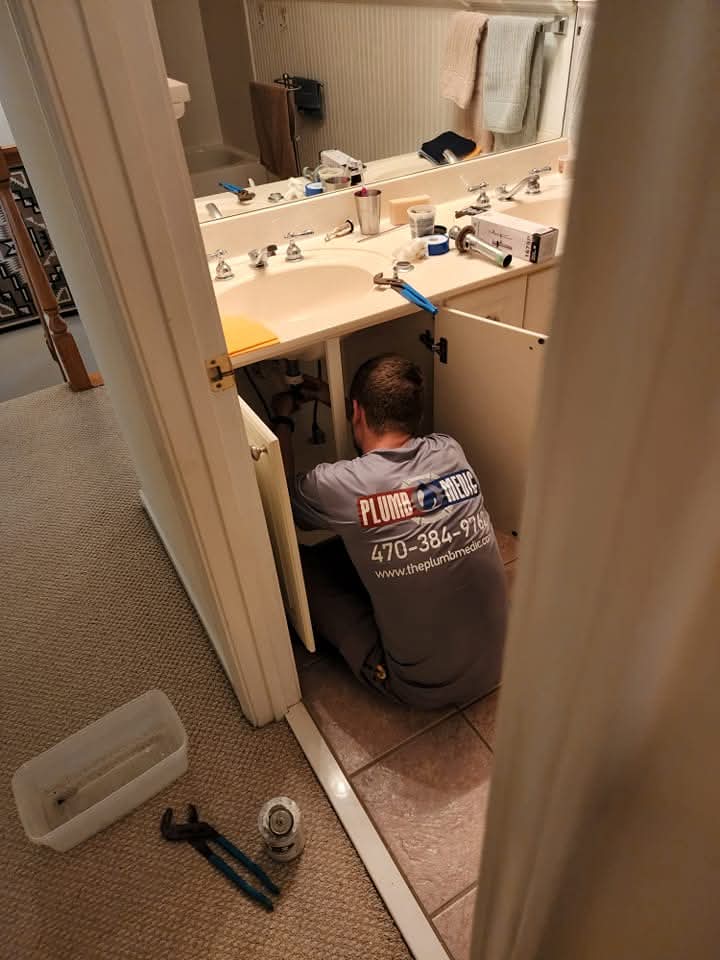
Open every sink cabinet in the house and empty out the cleaning supplies blocking your view. Run your dry paper towel along every pipe, fitting, and hose under the sink. The towel will find moisture your eyes miss. Check the P trap connections, the shutoff valves, and the flexible supply lines feeding the faucet. Braided supply lines fail more often than any other component under a sink, and a burst line can release hundreds of gallons in a single day. Look at the cabinet floor for warping, dark stains, or peeling finish. Those marks prove a leak existed at some point, and old leaks often return. Musty smells inside the cabinet indicate hidden moisture and possible mold growth behind the wall.
Test every shutoff valve under sinks and behind toilets by turning it closed and open again. These small valves seize from years of sitting untouched, exactly like your main shutoff. A seized fixture valve means a simple faucet repair turns into a whole house water shutdown. Valves that weep from the stem after you turn them need repacking or replacement. Check the toilet supply lines and the connections at the tank while you are down there. Put food coloring in each toilet tank and wait fifteen minutes without flushing. Color appearing in the bowl means the flapper is leaking, and a leaking flapper silently wastes up to 200 gallons per day. That single check can cut a surprising amount off your water bill.
Do not forget the appliances with water connections. Pull the refrigerator forward and inspect the ice maker line for kinks, corrosion, or drips at the fittings. Check the dishwasher connection under the kitchen sink and the drain hose loop. Inspect your washing machine hoses closely; rubber hoses more than five years old should be replaced with braided stainless lines regardless of appearance. Washing machine hose failures are among the most destructive residential floods because they often happen while nobody is home. Look at the caulk around tubs, showers, and sink rims throughout the house. Cracked caulk lets water into subfloors and wall cavities every single day. A ten dollar tube of caulk this weekend prevents thousands in rot repair later.
Water Pressure and Fixture Plumbing Checks for Labor Day
Spend twenty minutes running every fixture in the house and paying attention to how it performs. Turn on each faucet fully, hot and cold, and watch the flow. Weak flow at a single faucet usually means a clogged aerator, which unscrews and rinses clean in two minutes. Weak flow at multiple fixtures points to a pressure problem, a failing pressure reducing valve, or mineral buildup inside your supply lines. Watch how quickly hot water arrives at faucets far from the water heater. Long waits waste water and may justify a recirculation solution. Note any faucets that drip after shutoff, because a faucet dripping once per second wastes more than 3,000 gallons a year. Small annoyances you tolerated all summer add up to real money.
Flush every toilet and watch the full cycle. A strong flush should clear the bowl and refill within about a minute. Toilets that run continuously, refill randomly at night, or require two flushes are wasting water and telling you the internal parts are worn. Rock each toilet gently with your hands on the tank and bowl. Any movement at the base means the wax ring or flange bolts have failed, and a rocking toilet leaks sewage into the subfloor with every flush. Check the floor around each toilet base for staining, soft spots, or lifting flooring. Bathroom subfloor rot is expensive and almost always preventable. These checks take two minutes per bathroom.
Finish with a whole house leak test using your water meter. Turn off every fixture and appliance that uses water, then walk out to the meter near the street. Watch the small leak indicator dial for two full minutes. Any movement with everything off proves water is escaping somewhere between the meter and your fixtures. Take a meter reading before bed and check it again in the morning before anyone uses water; a change overnight confirms the same thing. Hidden leaks under slabs and inside walls are common in Georgia homes, and this free test is the most reliable way to detect them. Do not ignore a positive result, because slab leaks erode soil, crack foundations, and grow more expensive every week they run.
Why You Need a Professional Plumbing Inspection After Your Labor Day Checks
Homeowner checks catch the obvious problems, but they cannot see inside walls, under slabs, or through sewer lines. A professional plumbing inspection picks up where your weekend walkthrough ends. Licensed plumbers use camera equipment, pressure testing, and years of pattern recognition to find failures before they cause damage. Fall is the smartest time to schedule one because demand spikes once cold weather arrives and emergency calls flood every plumbing company in North Georgia. An inspection now means repairs happen on your schedule at standard rates. It also means you head into the holiday season knowing your plumbing can handle a full house.
Schedule a Professional Plumbing Inspection Before Fall Demand Hits
September and October are the calm before the storm for plumbing companies across Cherokee and Cobb County. Once the first hard freeze arrives, burst pipes and failed water heaters fill every schedule for weeks. Homeowners who wait until November often face longer response times and emergency pricing. Booking an inspection right after Labor Day gets you a convenient appointment and a full evaluation while conditions are mild. Any problems found can be repaired before they become urgent. That timing advantage alone justifies the call.
A professional inspection covers far more ground than a homeowner checklist ever can. Your plumber tests static and flowing water pressure, inspects the pressure reducing valve, and evaluates every visible supply and drain connection. Water heaters get a full assessment including the anode rod, venting, gas connections, and sediment levels. Sewer lines can be camera inspected from the cleanout to the street connection. The camera reveals root intrusion, pipe bellies, cracks, and offsets that no surface check will ever find. You receive a clear picture of your entire system in a single visit.
The findings give you real negotiating power over your own home maintenance. Instead of guessing which repairs matter, you get a prioritized list based on actual risk. Some items need attention now; others can wait a year or two with monitoring. That knowledge lets you budget intelligently and avoid the panic spending that emergencies force. Documented inspections also help when selling a home, because buyers trust maintained systems. An hour of professional attention this fall protects the largest investment you own.
Fix the Problems Your Labor Day Plumbing Checks Uncovered
Finding a problem this weekend is only half the job; fixing it correctly is the half that protects your home. A dripping relief valve, a seized shutoff, or standing water in a sewer cleanout all demand licensed repair work. DIY fixes on pressurized water lines and gas connections create liability and safety risks that far outweigh the savings. Georgia code requires licensed professionals for most of this work for good reason. Prompt professional repair also preserves manufacturer warranties on water heaters and fixtures. Handle the small stuff yourself, and hand the real repairs to a pro.
Timing matters more than most homeowners realize when it comes to plumbing repairs. A slow leak found in September costs a service call and a part. The same leak ignored until December can mean drywall replacement, flooring repair, and mold remediation on top of the plumbing fix. Water damage compounds daily, and insurance companies increasingly deny claims for leaks that show long term neglect. Repairing now is always the cheaper path. Every week of delay adds risk and cost.
Repairs made in early fall also prepare your system for its hardest season. Water heaters face colder incoming water and higher demand from October through March. Pipes in crawl spaces and exterior walls face freeze risk during Georgia cold snaps. Drains handle heavy holiday cooking loads and full houses of guests. A system repaired and verified in September enters winter with margin instead of weakness. That preparation is what separates a quiet winter from an emergency call on Christmas morning.
Why Choose Plumb Medic for Your Labor Day Plumbing Checks and Repairs
Plumb Medic is a locally owned plumbing company based at 225 Creekstone Ridge Suite 19 in Woodstock, GA, serving Cherokee County and the greater North Atlanta metro. Every technician on our team is fully licensed and experienced, and we are TracPipe and Navien certified for gas and tankless work. We were named Business Rate’s Best of Woodstock Plumber 2025. Our reputation is built on honest diagnostics and repairs done right the first time. We treat your home the way we treat our own.
We make professional plumbing care easy to afford and easy to schedule. Diagnostic fees are waived when we handle the repair, so you never pay just to learn what is wrong. Financing is available through Wisetack for larger projects like water heater replacements and repiping. We offer military and senior discounts on every service. Our team is available 24/7 for emergency plumbing, because pipes do not respect business hours or holiday weekends. You get straight answers and fair pricing on every visit.
Choosing Plumb Medic also means supporting your community. We donate 2 percent of every service call to Children’s Healthcare of Atlanta to support local families. Run your Labor Day plumbing checks this weekend, then let us handle everything you find. Call Plumb Medic at (470) 384-9762 or email office@theplumbmedic.com to schedule your inspection or repair. We serve Woodstock, Marietta, Kennesaw, Canton, Roswell, Alpharetta, and communities across North Georgia. Start fall with a plumbing system you can trust.